 русский
 中文简体
中文简体 Español
 Deutsch
 عربى
عربى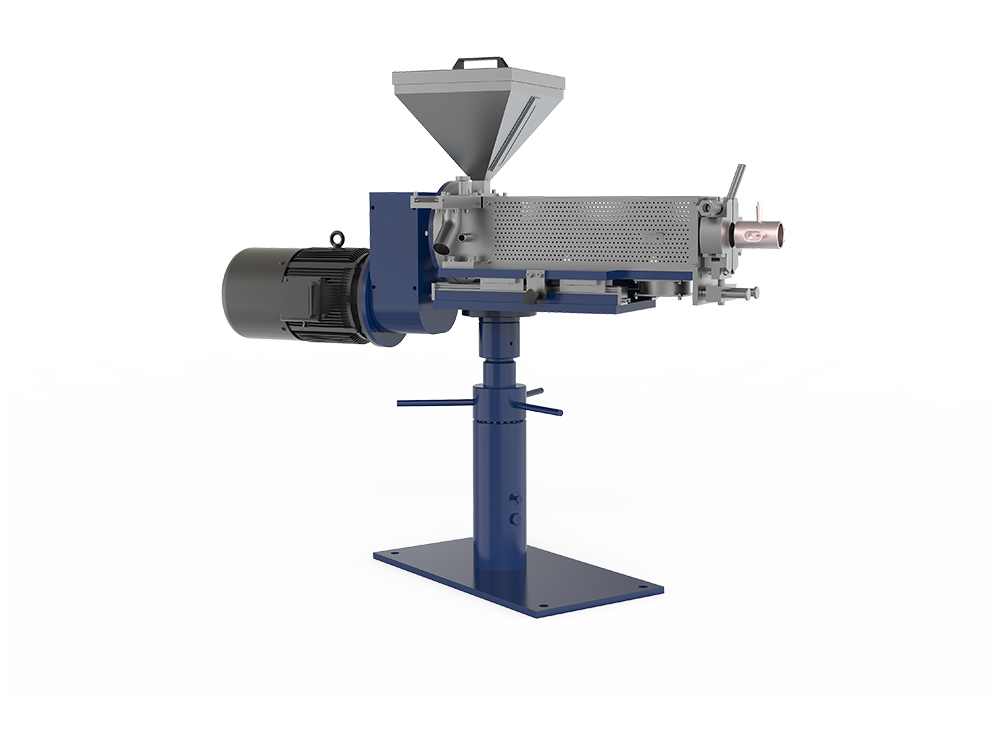
1、Adaptable wire diameter range: 1-3mm
2、Speed: max500tpm
3、Pitch range:20-200mm
4、Tension accuracy:±5%
5、Meter counting precision: ±0.5%



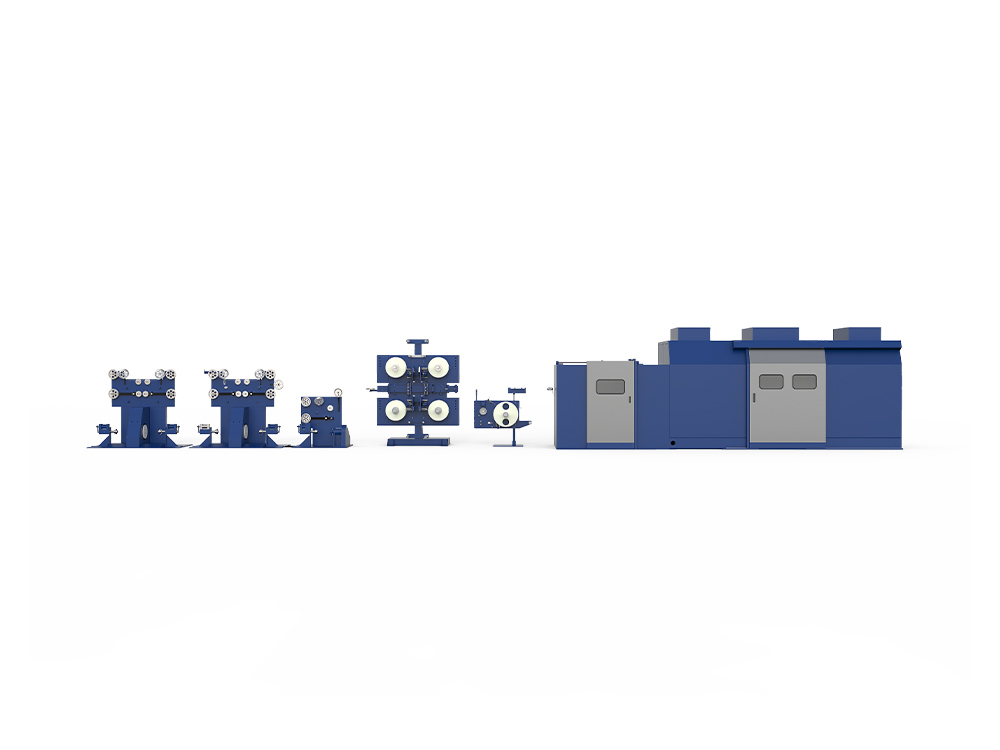
1、Adaptable wire diameter range: 1-3mm
2、Speed: max500tpm
3、Pitch range:20-200mm
4、Tension accuracy:±5%
5、Meter counting precision: ±0.5%


Setting up a LAN cable production line requires four core stages: copper wire drawing and annealing, insulation extrusion, pair twisting, and jacketing. Each stage depends on purpose-built machinery, correct process parameters, and compliance with international cabling standards...
READ MOREAn extruder is a machine that forces molten material through a shaped die to continuously form a product with a defined cross-section. In wire and cable manufacturing, extruders are the core equipment responsible for applying insulation, sheathing, and identification color layer...
READ MOREIndustrial cables are used to transmit electrical power, control signals, and data across machines, infrastructure, and automated systems in virtually every sector of modern manufacturing and heavy industry. The five core categories — power cables, control cables, data/communica...
READ MORE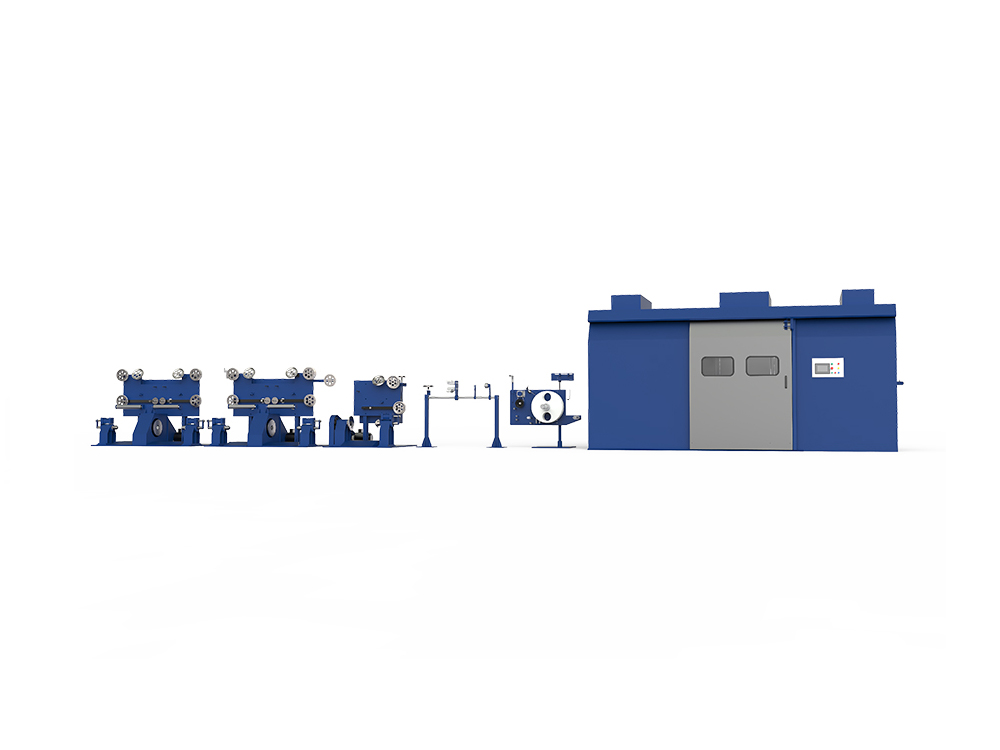
The Double Twist Cabling Machine is a high-end core piece of equipment in the field of LAN cable production. It is specifically designed to meet the manufacturing needs of high-performance and complex...
See Details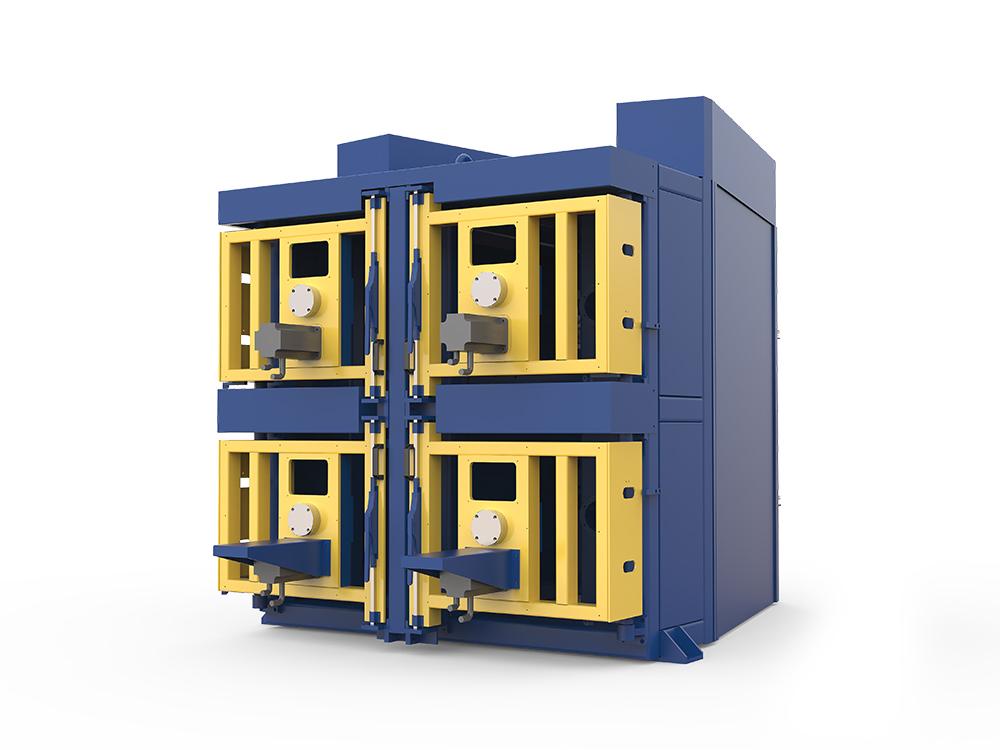
The Cabling Machine with Backtwist is suitable for the cabling operations of various cable types, including power cables, flexible cables, control cables, and marine cables. To address the internal st...
See Details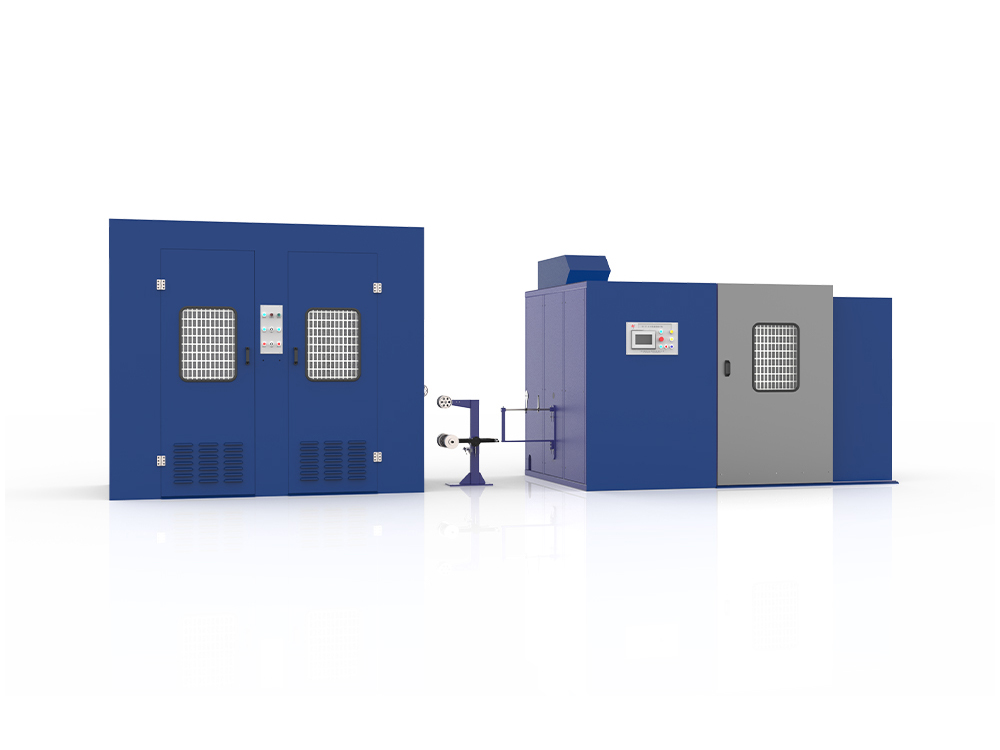
The Pair Twisting Machine with Backtwist is a key piece of equipment specially designed for LAN cable production. It is primarily used to twist two insulated core wires according to specific requireme...
See Details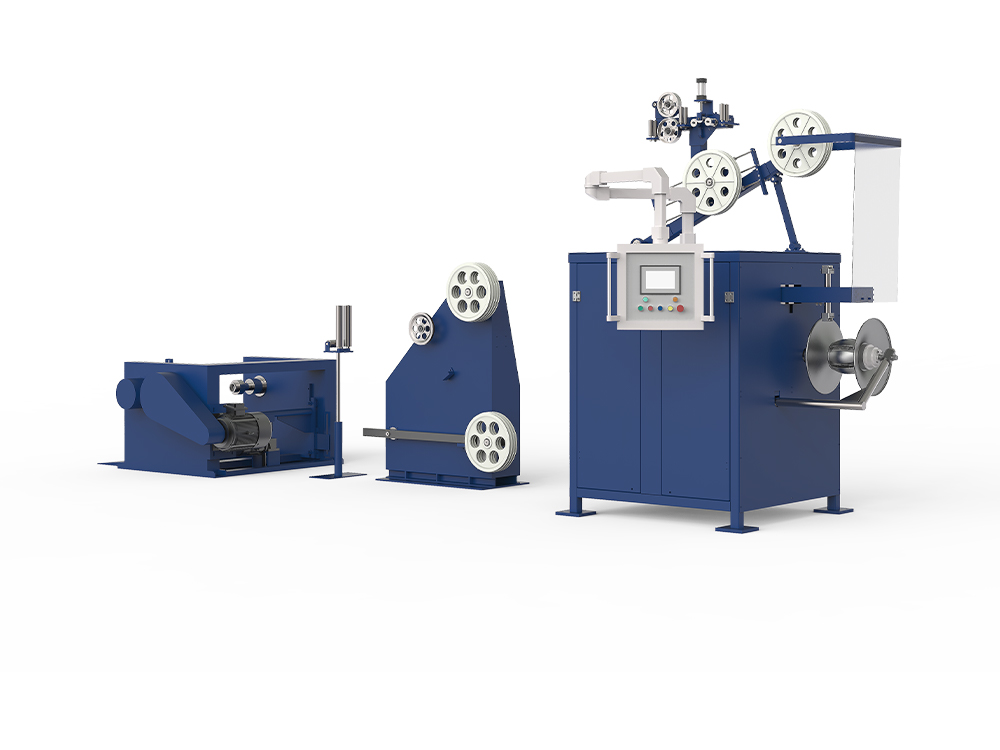
The Mesh Winding Machine is a key piece of equipment for ensuring efficient and high-quality cable coiling. Its performance directly affects the packaging quality, storage, and transportation convenie...
See Details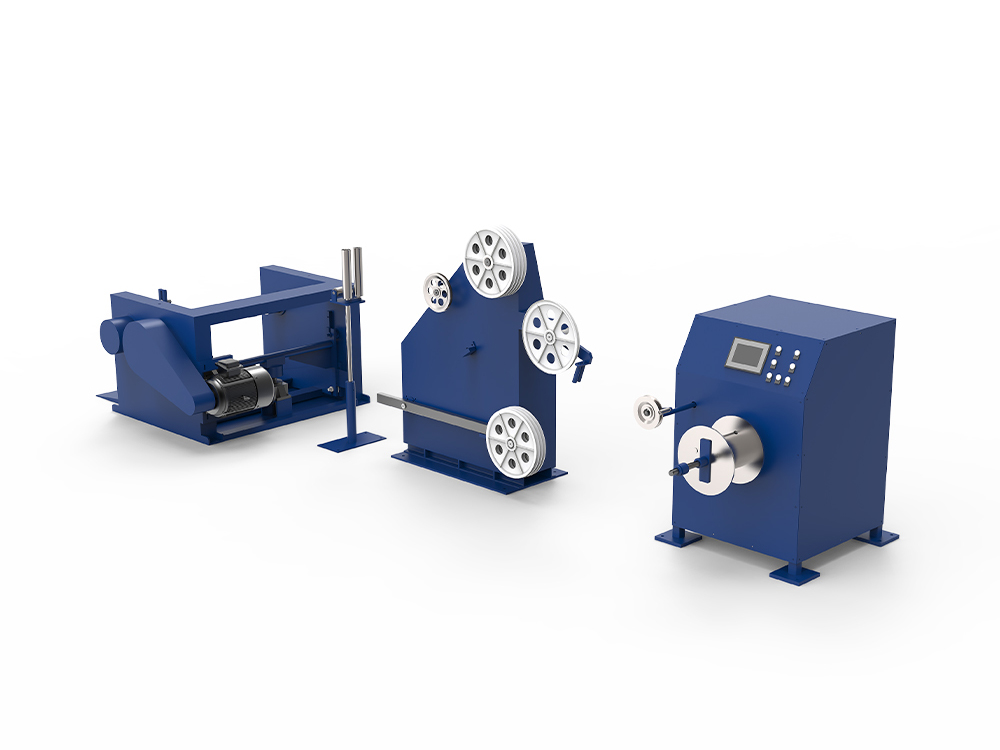
The Rewinding Machine is suitable for the rewinding of various types of cables, including power cables, communication cables, and control cables. It can handle different cable specifications and mater...
See Details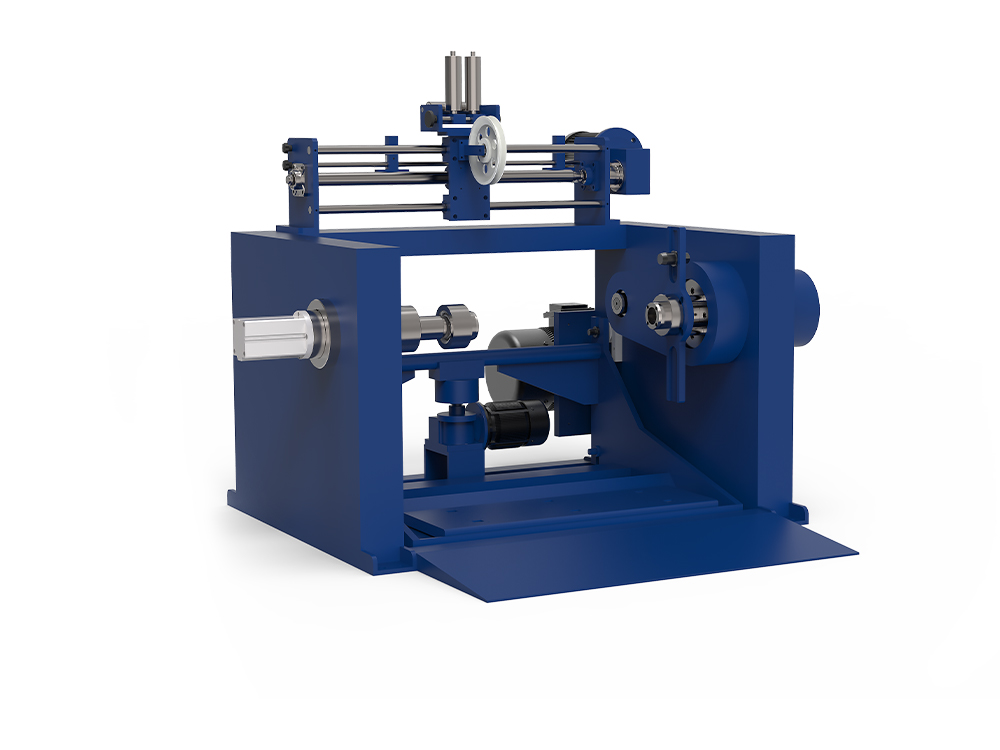
The machine adopts an AC motor closed-loop control system, supporting 10-500N dynamic tension adjustment, suitable for φ500-φ1250mm bobbin specifications, compatible with copper, aluminum, and composi...
See DetailsWhat is a Single Twist Cabling Machine?
Single Twist Cabling Machine Overview
1. Core Functions
Overall Twisting: Designed specifically for LAN cable production, it can complete the overall twisting of four pairs of wires in one operation, ensuring consistent torque in each pair.
Single Wrapping: During the twisting process, each pair of wires is simultaneously wrapped with tape, enhancing the structural strength and anti-interference capabilities of the core.
2. Applicable Standards
Supports high-speed network cables such as Cat6, Cat7, and Cat8, meeting the needs of 10Gbps, 40Gbps, and even higher transmission rates.
Compatible with Multiple Wire Diameters: Applicable to wire diameters ranging from 1-3mm, covering the production of everything from standard UTP to high-performance shielded cables.
3. High-Precision Control System
Real-Time Monitoring: Equipped with high-precision sensors, it continuously monitors key parameters such as torque, tension, and wire length.
Automatic Adjustment: The system automatically adjusts relevant components when an anomaly is detected, ensuring the product always meets industry standards.
4. Self-Diagnosis and Maintenance
Fault Location: The touchscreen displays detailed fault information, allowing for quick location of the problem area.
Reduce Downtime: Rapid maintenance minimizes production interruptions and improves overall capacity utilization.
| Key Point | Description |
| Core Function | Performs overall twisting of four twisted‑pair conductors while simultaneously applying tape wrapping to each pair, ensuring consistent twist pitch and structural stability. |
| Compatible Wire Diameter | Handles wire diameters from 1 mm to 3 mm, covering ordinary UTP to high‑performance shielded cables. |
| Control System | High‑precision sensors continuously monitor twist pitch, tension, and cable length, feeding real‑time data to the control system for automatic adjustments. |
| Self‑Diagnostic Feature | Touch‑screen displays fault location details, enabling rapid troubleshooting and minimizing downtime. |
| Main Technical Parameters | Max speed 500 tpm, pitch range 20‑200 mm, tension accuracy ±5 %, counting precision ±0.5 %. |
What types of cables are suitable for a Single Twist Cabling Machine?
Suitable Cable Types for Single Twist Cabling Machines:
1. High-Speed Ethernet Cables:
Cat6, Cat6a: Suitable for Gigabit and 10 Gigabit Ethernet cabling.
Cat7, Cat7a: Meets higher frequency (up to 600MHz) and stronger shielding requirements.
2. Ultra-High-Speed Data Center Cables:
Cat8: Supports transmission rates above 40Gbps, commonly used for short-distance interconnects in data centers.
3. Industrial Dedicated Cables:
Shielded/Unshielded Industrial Cables: Non-standard specifications can be customized to meet harsh industrial environments.
4. Custom Non-Standard Cables: Special wire diameter or torque requirements: With flexible parameter settings, custom cables can be produced to meet specific project needs.
| Cable Category | Applicable Standards/Specs | Remarks |
| High‑Speed Ethernet Cables | Cat6, Cat6a, Cat7, Cat7a | Meets requirements from Gigabit up to 10 Gbps transmission. |
| Ultra‑High‑Speed Data‑Center Cables | Cat8 | Supports 40 Gbps+ short‑reach interconnects. |
| Industrial‑Grade Cables | Shielded / Unshielded industrial cables | Customizable protection levels per customer needs. |
| Customized Non‑Standard Cables | Special wire diameters, twist pitches, shielding requirements | Flexible parameter settings to satisfy unique project specifications. |
How are noise and vibration levels controlled for a Single Twist Cabling Machine?
Noise and Vibration Control Technology
1. Structural Vibration Reduction Design
Rigid Frame and Elastic Support: The machine body adopts a high-strength steel structure, and key moving parts are equipped with elastic vibration damping pads, significantly reducing mechanical noise.
2. Precision Drive System
Servo Motor + Closed-Loop Control: Achieves smooth acceleration and deceleration, avoiding noise and vibration caused by impacts.
3. Soundproof Cabin
Fully Enclosed Soundproof Cabin: The machine shell is covered with sound-absorbing materials to further suppress operating noise, meeting workshop noise control standards.
4. Real-Time Monitoring and Adaptive Adjustment
Vibration Sensors: Real-time vibration data is collected, and the system can automatically adjust the operating speed or tension to keep vibration within safe thresholds.
| Control Technique | Implementation | Effect |
| Structural Vibration Damping | Rigid steel frame combined with elastic damping pads | Significantly reduces mechanical noise and resonance. |
| Precision Drive System | Servo motor with closed‑loop control | Provides smooth acceleration/deceleration, avoiding impact‑generated noise. |
| Enclosed Acoustic Cabin | Fully sealed enclosure with sound‑absorbing material | Suppresses operational noise, complying with workshop noise standards. |
| Real‑Time Monitoring & Adaptive Adjustment | Vibration sensors continuously capture data; system automatically adjusts speed/tension | Keeps vibration within safe thresholds, ensuring product quality. |
Frequently Asked Questions (FAQ)
Q1:What are the machine's production capacity and maximum torque speed?
A:The production capacity can reach 30 km/h (approximately 300 m/min). The specific speed can be adjusted according to the wire diameter and formula. Under normal configuration, 200 m/min is the steady-state operating point.
Q2:What technology does the control system use? Does it support PLC and host computer connectivity?
A:It uses a domestically produced PLC + touchscreen control system, equipped with complete host computer monitoring software, supporting industrial communication protocols such as Modbus/TCP and Ethernet/IP, enabling remote monitoring and data acquisition.
Q3:How long is the delivery cycle and installation/commissioning time?
A:Standard delivery time is 30-45 days (including packaging and transportation). On-site installation and commissioning generally takes 2-3 days, with full tracking by the company's technical engineers.
Q4:Do you provide customized solutions (such as special wire diameters or sheath materials)?
A:We support full-process customization from mechanical structure and drive system to control software. We can develop special molds and supporting devices according to customer needs.


Copyright © Zhangjiagang Dachen Machinery Manufacturing Co., Ltd. All rights reserved. Custom Stranding Machine Manufacturer
