 русский
 中文简体
中文简体 Español
 Deutsch
 عربى
عربى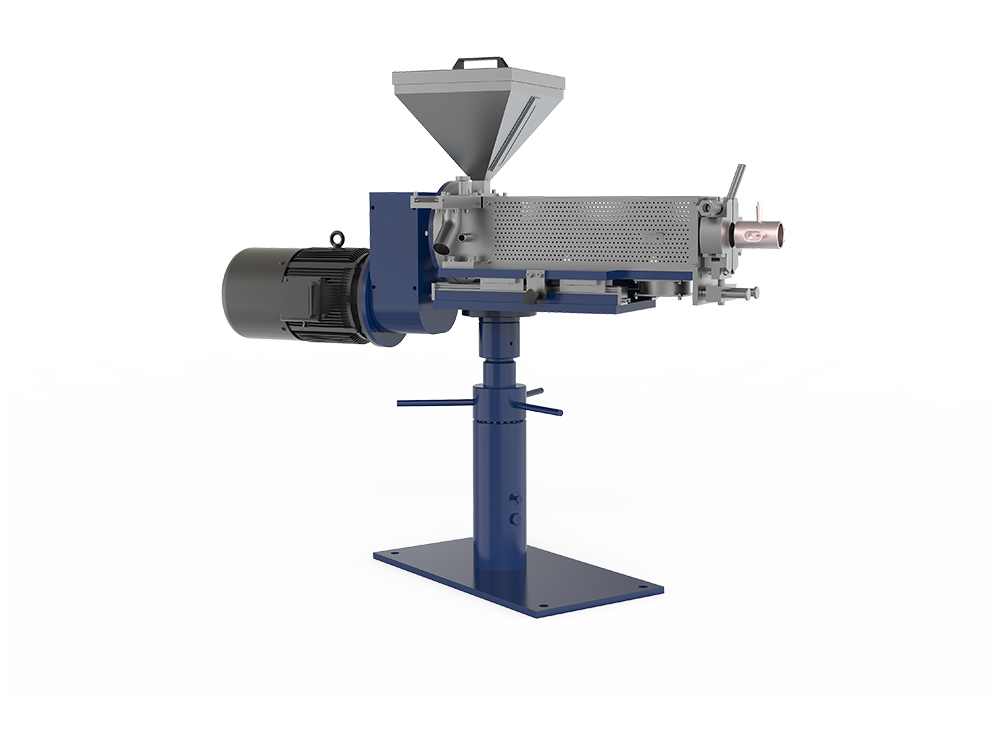
1、Applicable wire diameter range: 0.5-2.5mm
2、Speed: max500tpm
3、Retraction rate:50-150%
4、Pitch range: 15-150mm
5、Tension accuracy:±5%



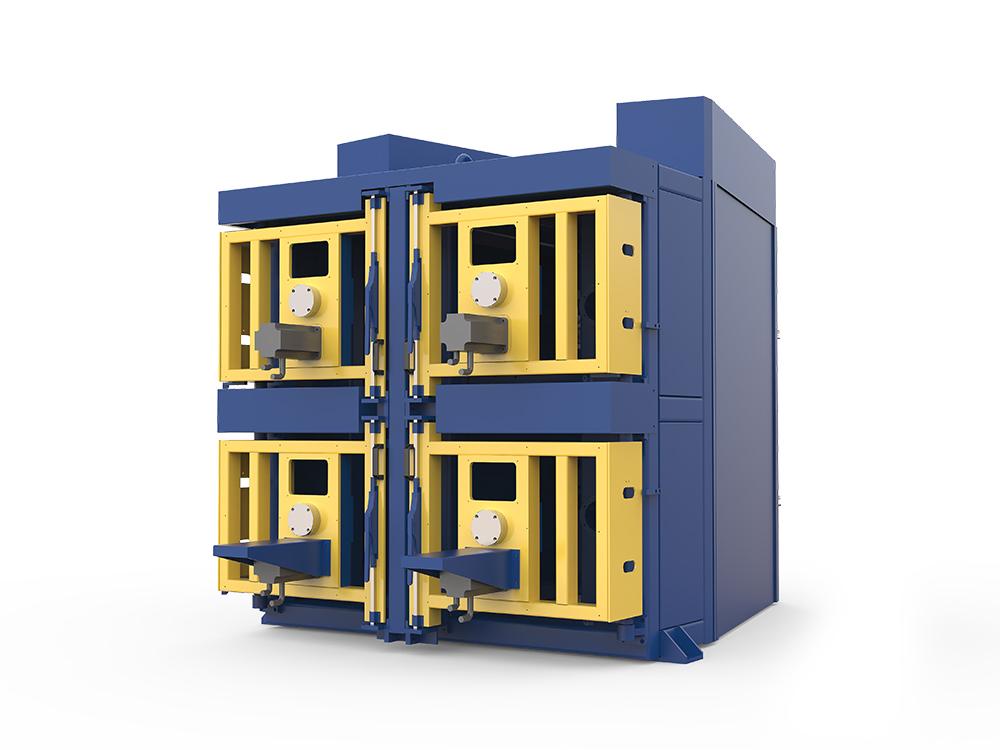
1、Applicable wire diameter range: 0.5-2.5mm
2、Speed: max500tpm
3、Retraction rate:50-150%
4、Pitch range: 15-150mm
5、Tension accuracy:±5%


Quick Answer: The Core Difference Between Single Mode and Multimode Fiber The main difference comes down to core size and how light travels through it. Single mode fiber uses a core roughly 9 microns wide, sending a single, tightly focused laser beam straight down the fiber, wh...
READ MOREDirect Answer: The Three Core Types of Networking Cables There are three primary types of cables in networking: twisted pair cable, coaxial cable, and fiber optic cable. Twisted pair cable (Cat5e through Cat8) dominates local area network installations because it balances cost, ...
READ MOREQuick Answer: What Is Insertion Loss? Insertion loss is the reduction in signal strength that occurs as a signal passes through a cable, connector, or other component in a transmission path, measured in decibels (dB). In LAN cable terms, it describes how much weaker the signal i...
READ MORE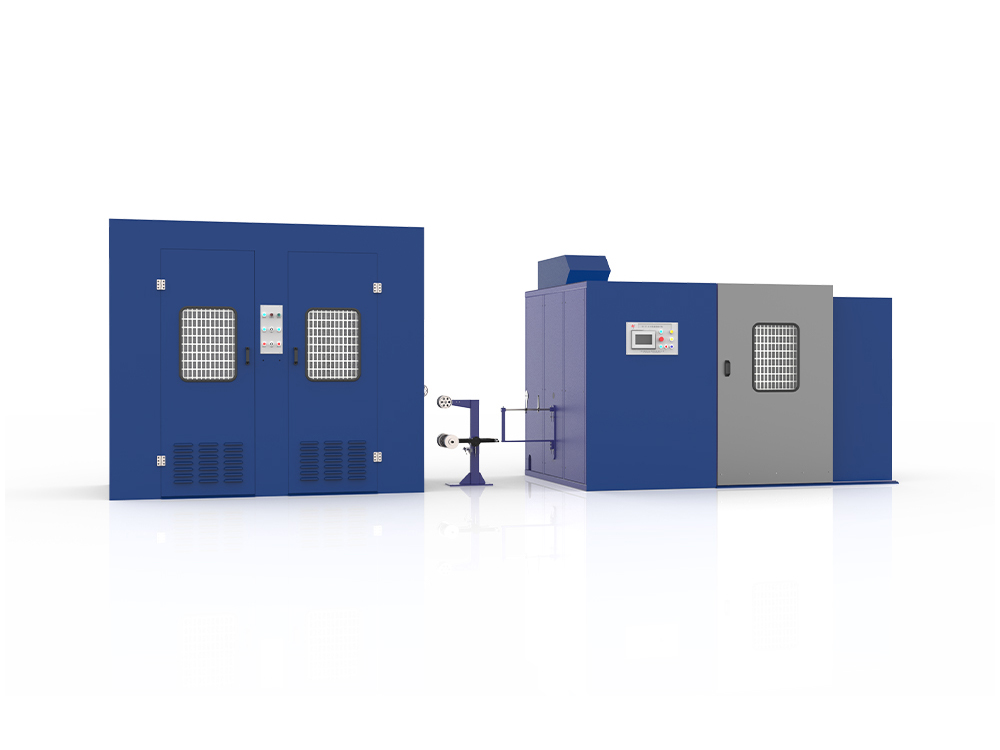
The Pair Twisting Machine with Backtwist is a key piece of equipment specially designed for LAN cable production. It is primarily used to twist two insulated core wires according to specific requireme...
See Details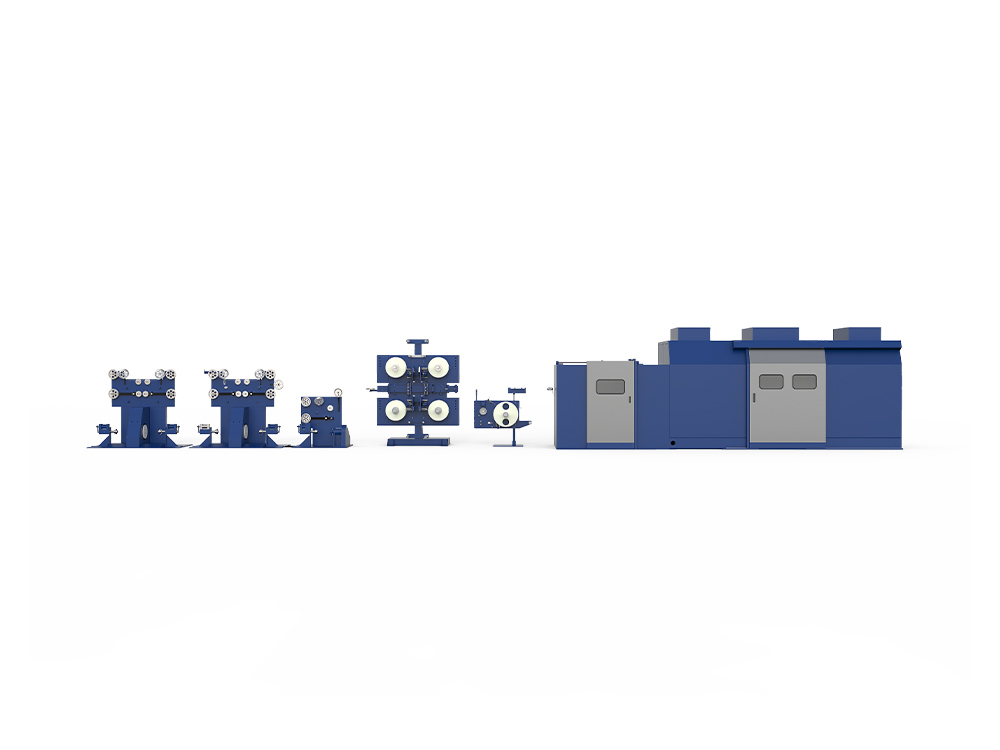
The Single Twist Cabling Machine is a key piece of equipment specially designed for LAN cable production. It is primarily used to perform overall twisting of four twisted pairs according to specific r...
See Details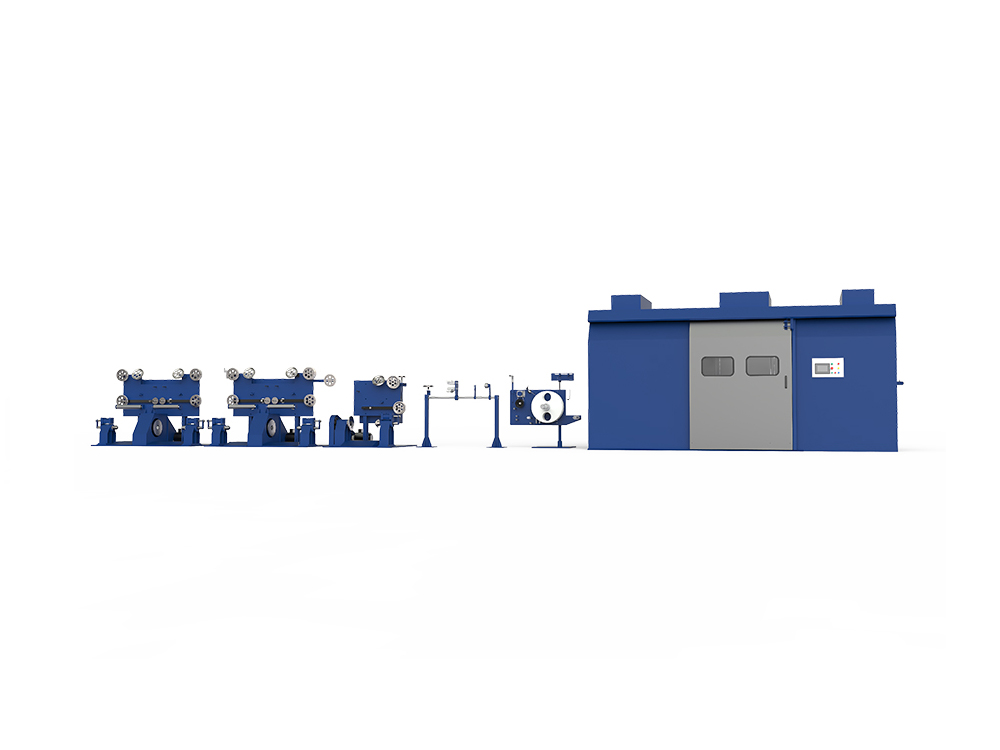
The Double Twist Cabling Machine is a high-end core piece of equipment in the field of LAN cable production. It is specifically designed to meet the manufacturing needs of high-performance and complex...
See Details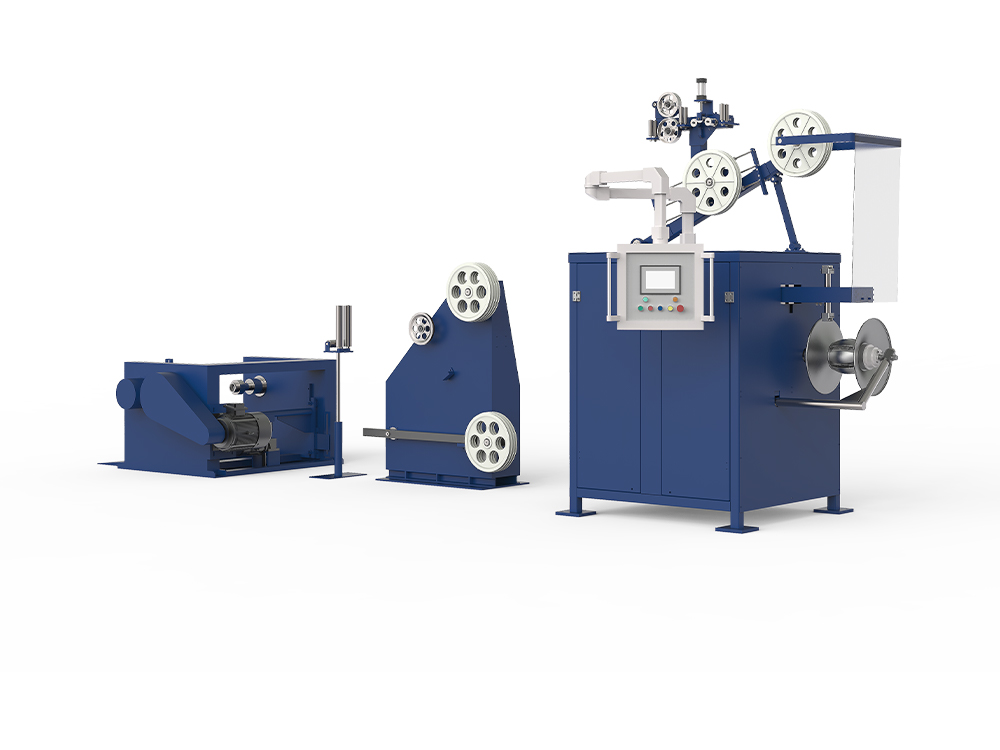
The Mesh Winding Machine is a key piece of equipment for ensuring efficient and high-quality cable coiling. Its performance directly affects the packaging quality, storage, and transportation convenie...
See Details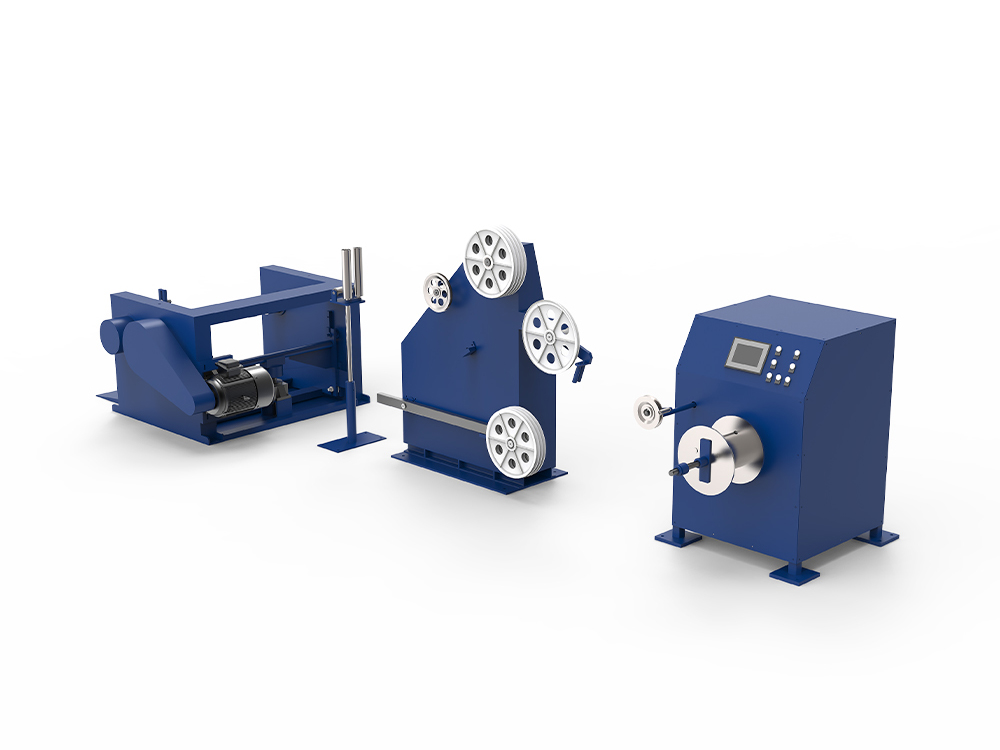
The Rewinding Machine is suitable for the rewinding of various types of cables, including power cables, communication cables, and control cables. It can handle different cable specifications and mater...
See Details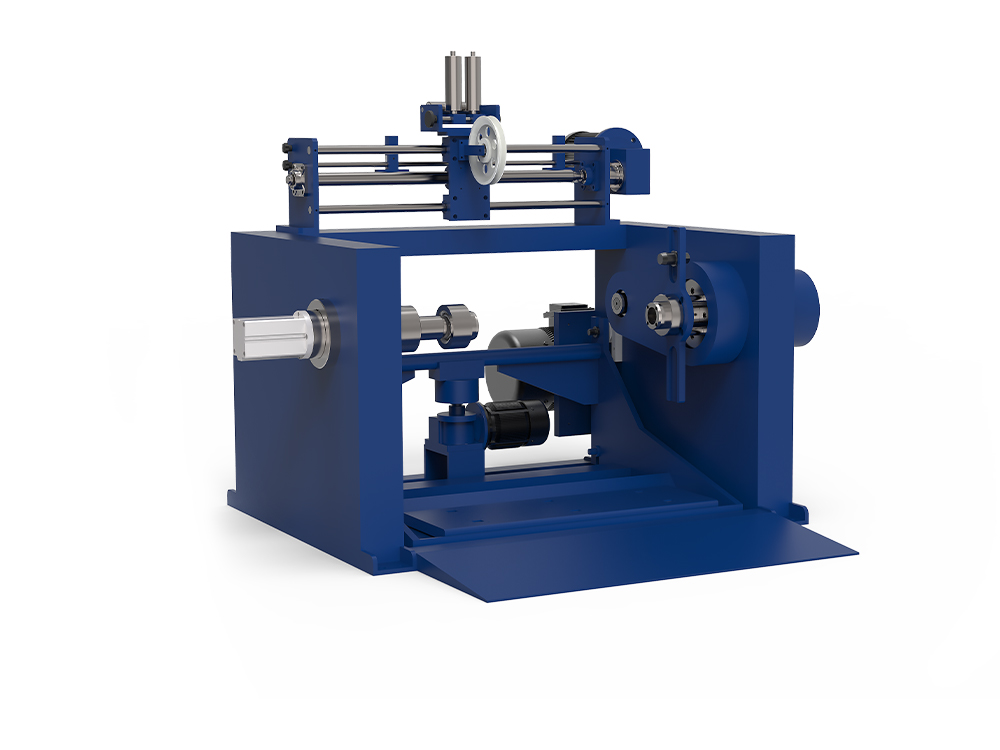
The machine adopts an AC motor closed-loop control system, supporting 10-500N dynamic tension adjustment, suitable for φ500-φ1250mm bobbin specifications, compatible with copper, aluminum, and composi...
See DetailsWhat are the energy efficiency advantages of Cabling Machine With Backt Wist compared to ordinary cabling machines?
1. Energy Efficiency Advantage: The backtwist mechanism reduces torsional resistance: During multi-core stranding, the backtwist device actively eliminates internal torsional stress, significantly reducing the resistance of the fiber core during the forming process, thereby reducing motor power requirements.
2. Balloon Shape Control Reduces Energy Consumption: Studies show that the energy consumption of direct stranding machines mainly comes from the formation and maintenance of yarn balloons. The backtwist machine, through precise tension and rotation control, keeps the balloon radius within the optimal range, thus reducing energy consumption by approximately 10%–15%.
3. High-Efficiency Servo Drive: Utilizing a full servo motor and closed-loop control, the motor automatically enters energy-saving mode during idling and low load, resulting in an overall energy consumption reduction of approximately 20% compared to traditional rigid frame stranding machines.
4. Modular Design Reduces No-Load Power: Components such as reels and winding devices can be flexibly configured according to actual needs. Unused components do not participate in operation, further reducing ineffective power consumption.
| Cabling Machine With Backt Wist | Conventional Rigid‑Frame Cabling Machine | Remarks / Sources | |
| Twist‑related energy | Equipped with a back‑twist mechanism that actively eliminates internal twist stress, reducing the power needed for twisting | Generates a large “balloon” resistance during twisting, leading to higher motor power consumption | Back‑twist controls balloon shape, cutting energy use by -10‑15% |
| Overall power | Combines back‑twist with high‑efficiency servo drive; both idle and load power are -20% lower than conventional machines | Conventional machines consume more power at the same output | Servo closed‑loop control together with back‑twist yields -20% overall energy reduction |
| Power fluctuation | Real‑time monitoring of twist tension and back‑twist speed; system automatically adjusts to keep power stable | Lacks real‑time adjustment, resulting in larger power swings | PLC + HMI enables dynamic optimization of energy consumption |
| Energy‑saving benefit | Lower energy consumption directly translates into reduced production costs, saving roughly 5‑8% in electricity annually | Higher energy use leads to higher operating costs | Energy accounts for -80% of production cost; back‑twist machine’s savings are significant |
In which aspects of large-scale optical fiber or copper core cable production does Cabling Machine With Backt Wist offer advantages?
1. Tension Balance and Fiber Integrity: The back-twist mechanism ensures uniform tension in each fiber core during stranding, preventing micro-bending and micro-cracks, and improving fiber transmission performance and reliability.
2. Stress Distribution in Copper Core Cables: By eliminating torsional stress through back-twist, the conductor cross-section of the copper core cable remains circular, resulting in more stable electrical characteristics (resistance, withstand voltage) and meeting the stringent requirements of high-end power systems.
3. High Speed and High Capacity: Maximum speed can reach 500 tpm. Combined with real-time parameter monitoring, continuous production without quality fluctuations is achieved, significantly increasing production line capacity.
4. Small Footprint and Quick Changeover: The modular structure replaces the traditional rigid frame, reducing the footprint by approximately 30%. Changing spools and rewind drums takes only minutes, adapting to the needs of multi-specification, high-volume production.
| Process Stage | Cabling Machine With Backt Wist Advantages | Specific Benefits | Remarks / Sources |
| Tension balance | Back‑twist mechanism synchronously releases twist torque, keeping tension uniform across all cores | Prevents micro‑bending of fibers and deformation of copper conductors, improving transmission performance | Eliminates internal twist stress, ensuring even tension |
| Electrical performance | After back‑twist, cable cross‑section is round and concentric, reducing inter‑core capacitance and NEXT loss | Meets standards up to 10 Gbps and beyond for high‑speed Ethernet | Back‑twist “Twinner” neutralizes conductor‑insulation eccentricity, lowering NEXT loss |
| Throughput | Maximum speed of 500 tpm; modular design enables rapid spindle changes | In the same floor space, output rises by 30‑40% | Modular, intelligent PLC control delivers high throughput with a small footprint |
| Quality stability | Dual‑plate back‑twist prevents automatic self‑twisting, ideal for submarine cables | Produced submarine cables show no self‑twist, extending service life and reliability | Dual‑plate back‑twist patented design eliminates self‑twist, enhancing cable quality |
| Flexibility & configurability | Users can freely combine pay‑off stands, taping devices, reel sizes according to core count, wire diameter, and process needs | Supports wire diameters 0.5‑2.5 mm, pitch 15‑150 mm, and other specifications | Fully modular, customizable design |
What are the daily maintenance items for the Cabling Machine With Backt Wist?
1. Electrical System Inspection
Check the wiring of the PLC, servo drive, and touchscreen HMI for secure connections; Regularly calibrate sensors (tension, speed) and update the parameter library.
2. Mechanical Component Lubrication
Apply full oil or grease lubrication to the back-torsion gear, reel bearings, and guide rails, keeping the lubricating oil clean to prevent metal wear.
3. Cleaning and Dust Prevention
After each shift, use a clean, soft cloth to remove dust and debris from the machine body, reel, and take-up drum.
Inspect the dust cover at the wire inlet to prevent foreign objects from entering and causing wire jamming.
4. Safety and Protection Devices
Check the sensitivity of the emergency stop button, photoelectric guardrail, and overload protection device.
Perform regular no-load test runs to confirm that the rotation stroke and limit switches of the back-torsion mechanism are normal.
5. Software and Data Backup
Back up the PLC program and process parameters weekly to prevent accidental data loss.
Update the system firmware to obtain the latest energy consumption optimization algorithms.
| Maintenance Category | Specific Tasks | Frequency / Key Points | Remarks / Sources |
| Electrical system inspection | Check PLC, servo drives, emergency stop buttons, photo‑electric guards for proper wiring and responsiveness | Inspect once at the end of each shift; address any anomalies immediately | Built‑in diagnostic routines ensure safe operation |
| Mechanical lubrication | Oil/fat lubricate back‑twist gears, spindle bearings, guide rails | Weekly, or more often depending on operating hours | Regular lubrication prevents wear and extends component life |
| Cleaning & dust removal | Use soft cloths or compressed air to clear dust from machine body, spindles, sensors | Clean after each shift; keep environment tidy | Prevents dust‑induced jamming or sensor errors |
| Critical component replacement | Inspect belts, bearings, and other wear items; replace when wear is detected | Check every 6 months or based on operating hours | Timely replacement avoids unexpected downtime |
| System calibration & backup | Calibrate tension sensors, back‑twist speed; back up PLC programs and process parameters | Calibrate monthly; back up immediately after any parameter change | Guarantees accurate settings and data security |
| Safety & protection checks | Verify protective covers, emergency stop devices, warning signs are intact | Weekly inspection | Ensures operator safety and compliance with ISO quality system |
Frequently Asked Questions (FAQ)
Q1:What are the technological highlights of Dacheng Machinery's back-twist cable machine?
A:It adopts a self-developed complete mechanical structure and electrical control system to achieve high-speed, low-noise, and precise back-twist processing; it is adaptable to various wire gauges and sheath materials, meeting the needs of multiple categories such as LAN and industrial cables.
Q2:What specifications of products can Dacheng Machinery's LAN cable production line produce?
A:It supports the full range of Ethernet cables including Cat5e, Cat6, Cat6a, and Cat7, and is compatible with single-mode/multimode fiber optic cabling. It has integrated functions of automatic stripping, crimping, and testing.
Q3:What are the application scenarios for Dacheng Machinery's industrial cable system?
A:It is suitable for the production of oil-resistant, flame-retardant, and fire-resistant special cables in industries such as power, petrochemical, rail transportation, and building intelligence.
Q4:Can Dacheng Machinery provide non-standard customized cable equipment?
A:Yes. The company has a complete R&D chain, and everything from mechanical structure and transmission system to PLC/HMI control can be customized according to customer process requirements.


Copyright © Zhangjiagang Dachen Machinery Manufacturing Co., Ltd. All rights reserved. Custom Cabling Machine With Backt Wist Manufacturers
