 русский
 中文简体
中文简体 Español
 Deutsch
 عربى
عربى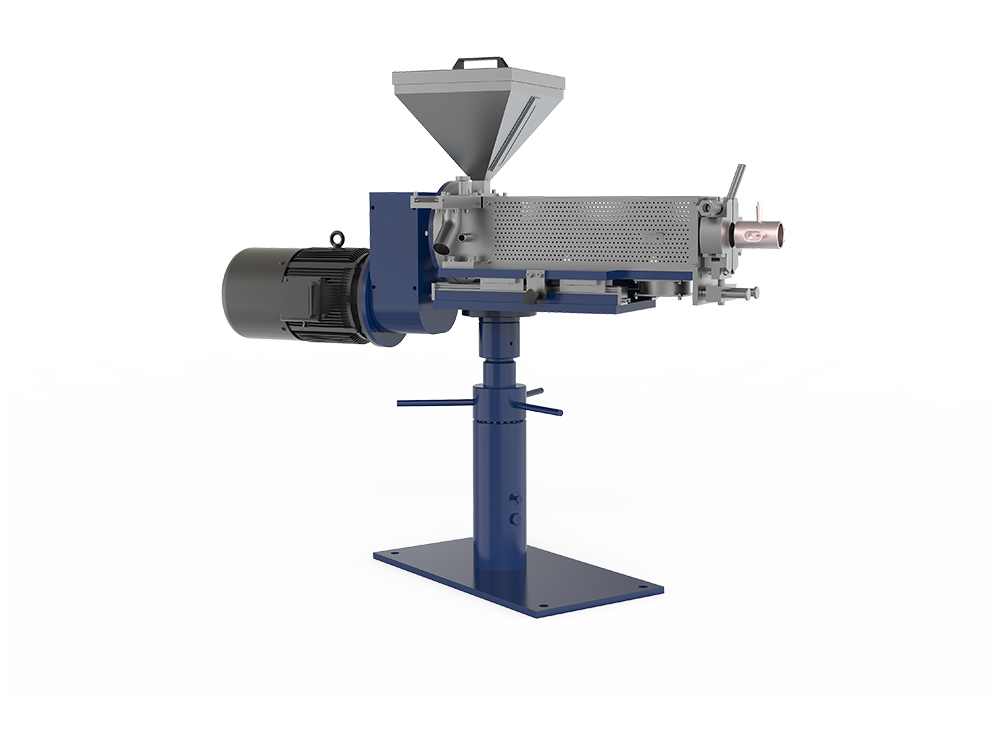
1、Adaptable wire diameter range: 2-30mm
2、Speed: max200m/min
3、Meter counting accuracy: ±0.5%.



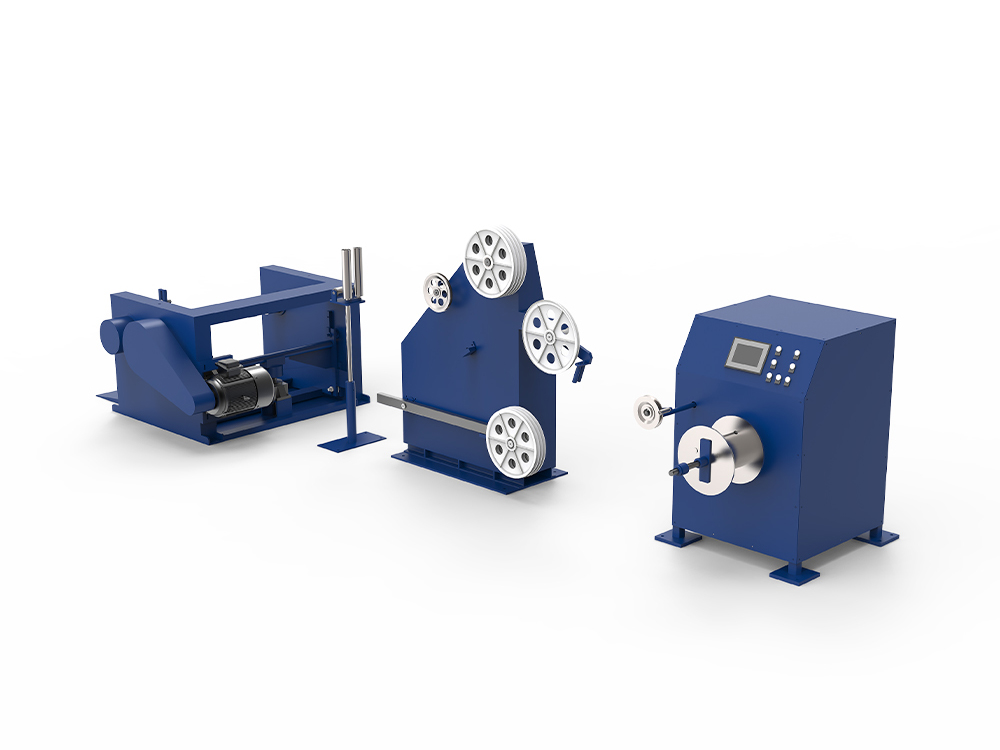
1、Adaptable wire diameter range: 2-30mm
2、Speed: max200m/min
3、Meter counting accuracy: ±0.5%.


Direct Answer: The Three Core Types of Networking Cables There are three primary types of cables in networking: twisted pair cable, coaxial cable, and fiber optic cable. Twisted pair cable (Cat5e through Cat8) dominates local area network installations because it balances cost, ...
READ MOREQuick Answer: What Is Insertion Loss? Insertion loss is the reduction in signal strength that occurs as a signal passes through a cable, connector, or other component in a transmission path, measured in decibels (dB). In LAN cable terms, it describes how much weaker the signal i...
READ MOREThe Direct Answer: Penetration Loss Measures How Well a LAN Cable's Shield Blocks Interference Penetration loss is a measurement of how much electromagnetic energy passes through a LAN cable's shielding layer — the lower the penetration loss value in decibels relative to a defin...
READ MORE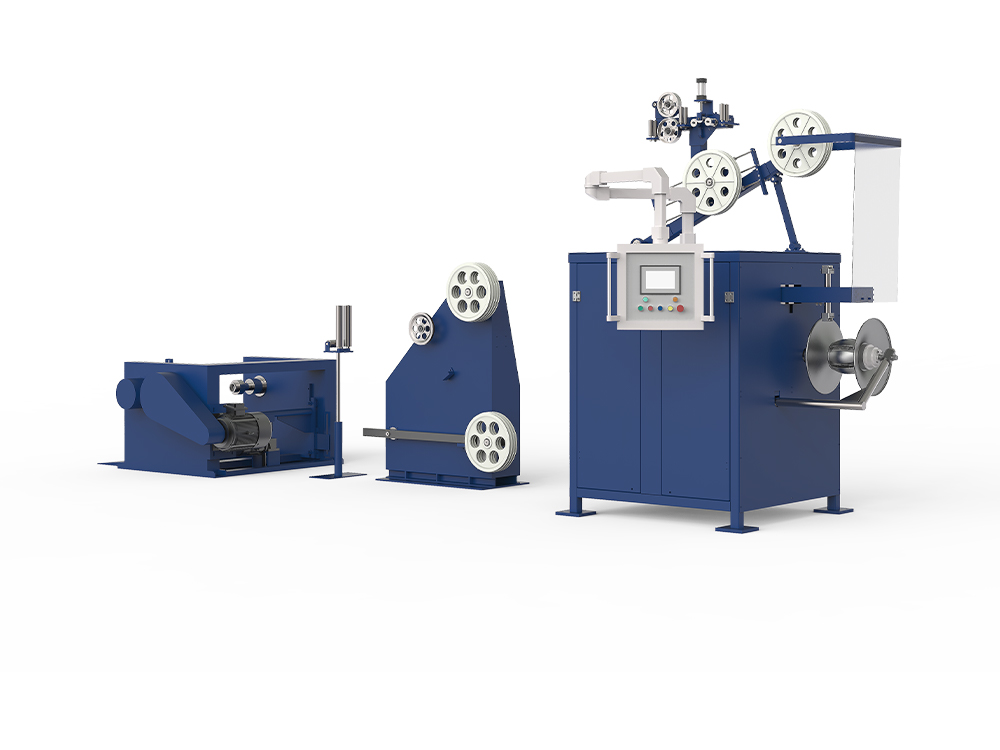
The Mesh Winding Machine is a key piece of equipment for ensuring efficient and high-quality cable coiling. Its performance directly affects the packaging quality, storage, and transportation convenie...
See Details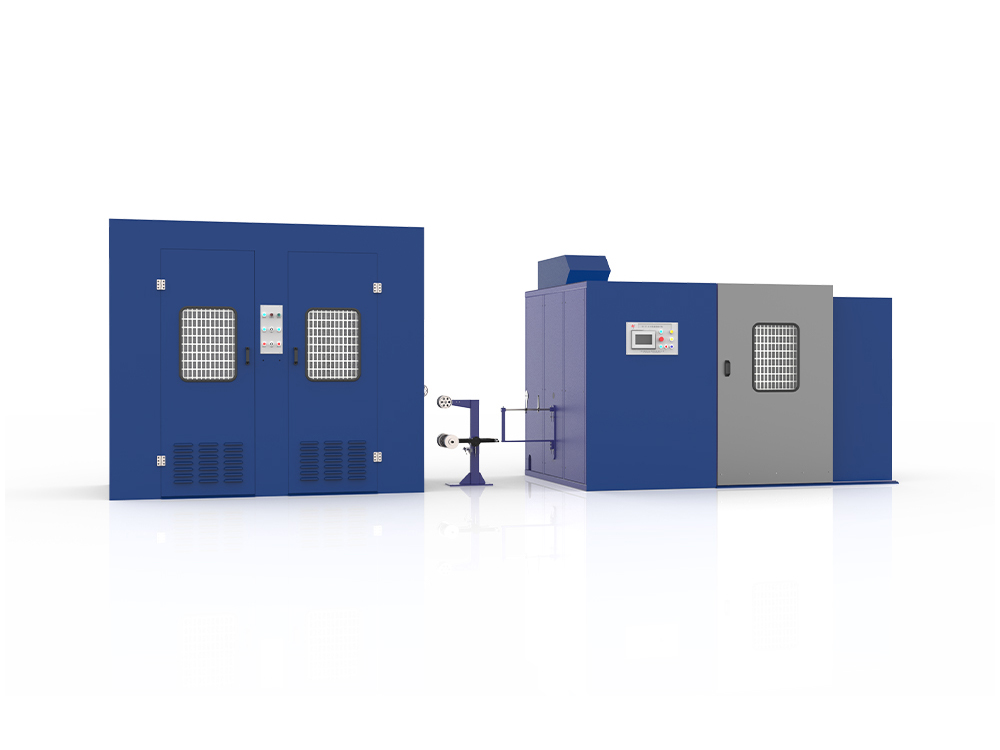
The Pair Twisting Machine with Backtwist is a key piece of equipment specially designed for LAN cable production. It is primarily used to twist two insulated core wires according to specific requireme...
See Details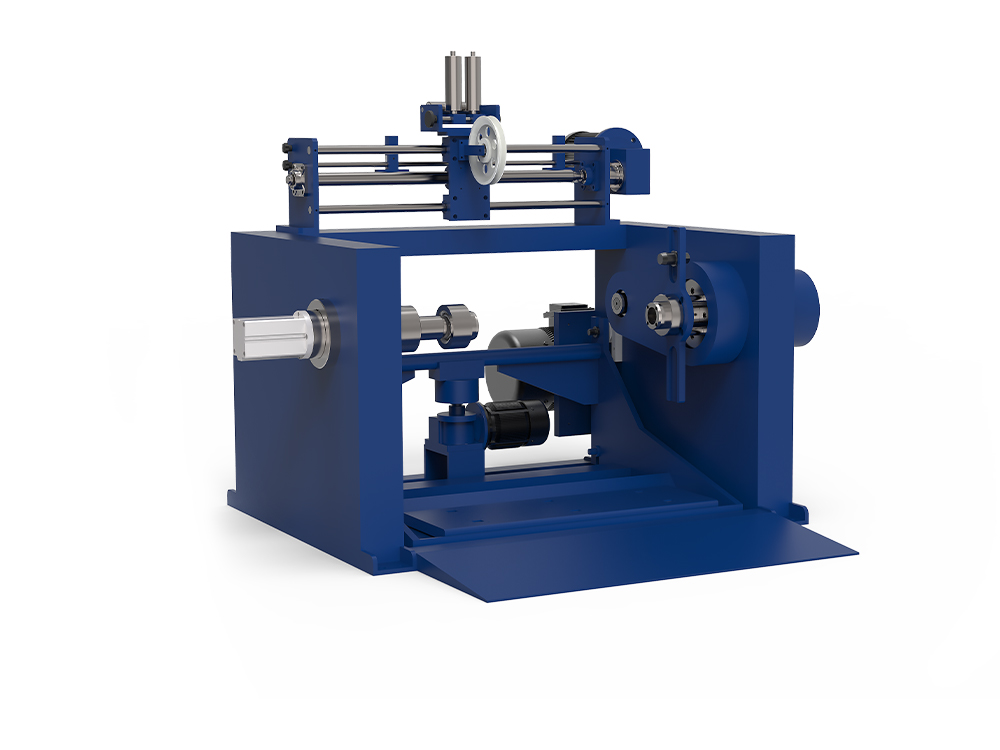
The machine adopts an AC motor closed-loop control system, supporting 10-500N dynamic tension adjustment, suitable for φ500-φ1250mm bobbin specifications, compatible with copper, aluminum, and composi...
See Details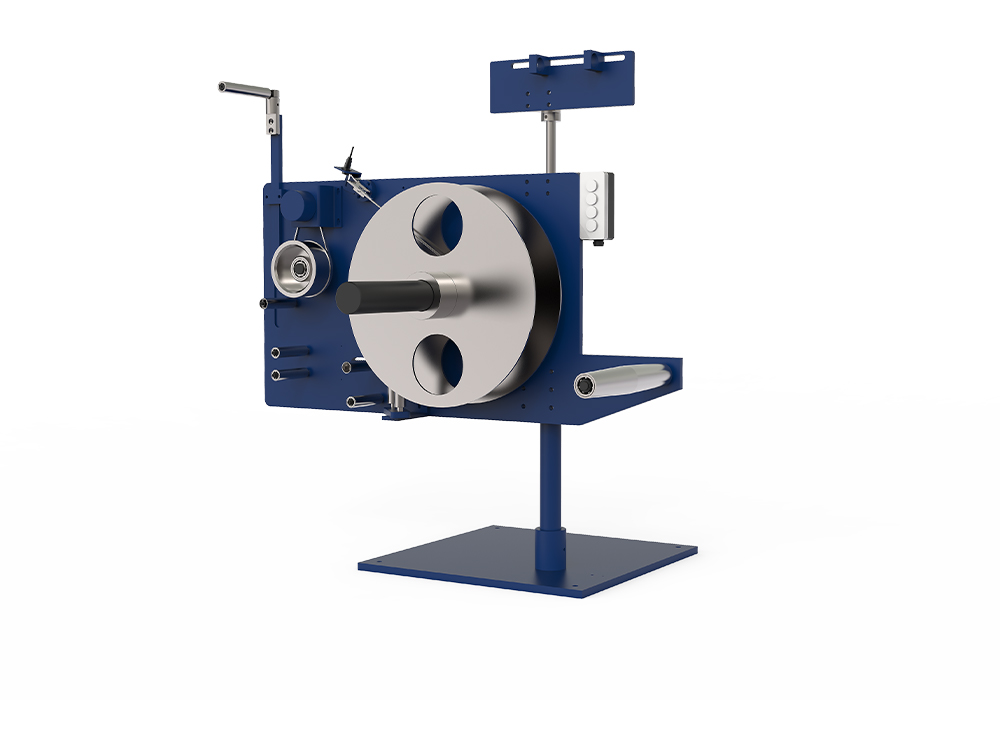
The Tape Pay-off Machine is driven by an AC motor and equipped with a constant-tension control system, offering stepless tension adjustment within the range of 5–50 N. It supports tape rolls with widt...
See Details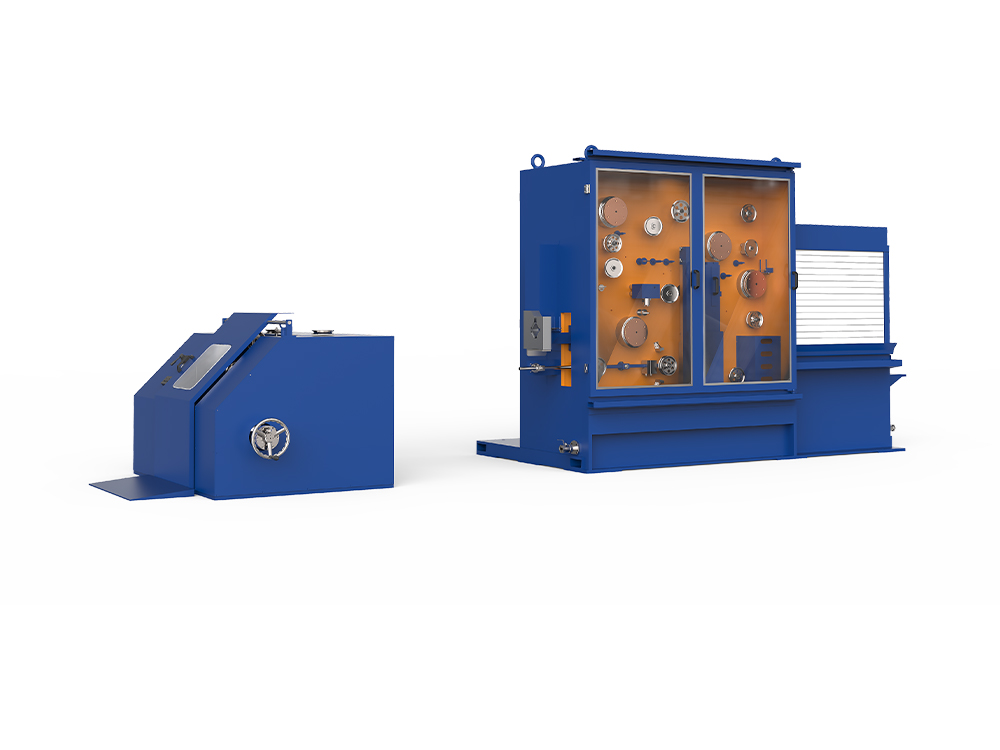
The Silver-Plated Conductor Drawing Annealing Machine is a high-end continuous drawing and annealing system, jointly developed based on the quality characteristics of premium silver-plated conductors ...
See Details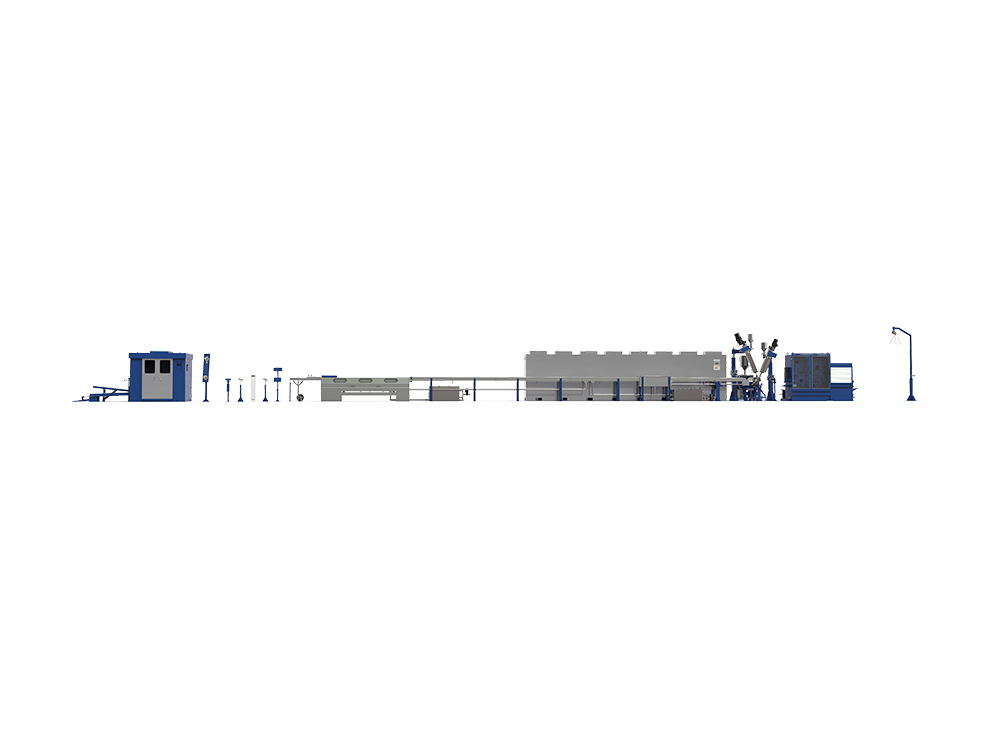
The Physical Foam Insulation Production Line is a high-end manufacturing system tailor-made for LAN cable production. It is suitable for the physical foaming insulation processing of various high-perf...
See DetailsWhat is a Cable Rewinding Machine?
Definition and Core Functions of a Cable Rewinding Machine
1. Basic Concepts
A Cable Rewinding Machine is a specialized device used to rewind various types of cables, including power, telecommunications, and control cables. It can tighten and neatly rewind loose or unbalanced cables for easier packaging, storage, and transportation.
2. Wide Range of Applications
Power Cables: Large cross-section, high-temperature resistant cables.
Communication Cables: Fiber optic, coaxial, twisted-pair, etc.
Control Cables: Flexible, oil-resistant, abrasion-resistant, and other special specifications.
3. Key Technical Parameters
Applicable Wire Diameter: 2mm-30mm.
Maximum Winding Speed: 200m/min.
Metering Accuracy: ±0.5%.
4. Intelligent Control
Equipped with a high-resolution touchscreen HMI, operators can intuitively set parameters such as winding speed, tension, and metering length; the system monitors key data in real time and automatically adjusts to ensure stable winding quality.
| Key Point | Description |
| Basic Definition | A dedicated equipment for re‑winding power, communication, and control cables, tightening loose strands into a compact, orderly coil for easier packaging, storage, and transportation. |
| Applicable Wire Diameter | 2 mm – 30 mm, covering most common cable specifications. |
| Maximum Winding Speed | Up to 200 m/min, meeting high‑volume production needs. |
| Meter‑Counting Accuracy | ±0.5 % (approximately ±0.5 mm), ensuring precise output length. |
| Intelligent Control | Equipped with a high‑resolution touchscreen HMI; operators can set winding speed, tension, and length in real time, while the system automatically monitors and adjusts key parameters. |
| Modular Structure | Pay‑off, take‑up, tension control, and counting modules can be flexibly combined to match specific customer requirements. |
| Company Advantage | Zhangjiagang Dachen Machinery Manufacturing Co., Ltd. is a nationally recognized high‑tech enterprise with over 60 professionals (senior engineers >20%), ISO 9001:2008 certified, annual output value exceeding CNY 5 billion, capable of full‑process custom development and rapid delivery. |
Can a Cable Rewinding Machine significantly reduce the physical burden on operators?
Effects of Cable Rewinding Machine on Reducing Operator Physical Burden:
1. Automated Tension Control: The machine has a built-in tension control system that automatically adjusts the tension according to the cable specifications, avoiding the physical exertion caused by manual adjustment.
2. Modular Design Reduces Handling Difficulty: The modular structure allows for flexible combination of key components such as winding, unwinding, tensioning, and counting, distributing the weight of the equipment for easy on-site handling and maintenance.
3. One-Touch Touchscreen Operation: The high-resolution HMI allows operators to complete parameter settings, start-up, and shutdown operations with just a few clicks, eliminating tedious mechanical adjustments and manual recording.
4. Fault Diagnosis and Early Warning Function: The system can monitor anomalies in real time and locate fault points, providing early warnings and reducing manual intervention and physical labor caused by equipment failure.
| Influence Factor | Description |
| Automatic Tension Control | The built‑in tension system automatically adjusts according to cable specifications, eliminating manual tension adjustments and reducing physical effort. |
| One‑Touch Touchscreen Operation | The high‑resolution HMI allows operators to set parameters, start, and stop the machine with a few clicks, removing the need for cumbersome mechanical adjustments and manual record‑keeping. |
| Modular Design Reduces Handling Difficulty | Key components are modular, distributing weight and making on‑site moving and maintenance easier. |
| Fault Diagnosis & Early Warning | Real‑time fault detection and location alerts minimize manual troubleshooting and downtime. |
| Company Technical Support | Dachen’s strong R&D team and comprehensive after‑sales service provide rapid on‑site debugging, further lowering operators’ workload. |
Why do cables break when using a Cable Rewinding Machine?
Common Causes of Cable Breakage When Using a Cable Rewinding Machine:
1. Improper Tension Setting: Excessive tension can cause the cable to be subjected to stress beyond its limits during winding, leading to micro-cracks and eventual breakage.
Solution: Utilize the machine's automatic tension adjustment function, based on the cable's material and specifications, to ensure the tension remains within a safe range.
2. Excessive Winding Speed: High-speed winding can cause the cable to experience impact during the moment of stress, especially for flexible or thin-walled cables, making them prone to breakage.
Solution: Set the winding speed appropriately based on the cable diameter and material characteristics, using segmented acceleration methods if necessary.
3. Cable Quality Issues: Cables with defective raw materials, aging, or dampness are more prone to breakage during winding.
Solution: Conduct quality inspections on the cable before use to ensure it meets standards before winding.
4. Improper Equipment Maintenance: Wear or insufficient lubrication of key components such as winding rollers, tension devices, and counters can lead to uneven stress on the cable, causing breakage.
Solution: Follow the regular maintenance plan of Zhangjiagang Dachen Machinery Manufacturing Co., Ltd., replace worn parts in a timely manner, and keep the equipment in good operating condition.
| Possible Cause | Manifestation | Preventive Measures |
| Excessive Tension Setting | Cable experiences stress beyond material limits during winding, leading to micro‑cracks and eventual breakage. | Use the machine’s automatic tension control based on cable material and specifications to keep tension within safe limits. |
| Too High Winding Speed | High speed creates impact forces, especially on flexible or thin‑walled cables, causing breakage. | Set winding speed according to cable diameter and material; consider staged acceleration or keep speed below 150 m/min when necessary. |
| Cable Quality Issues | Defective raw material, aging, or moisture‑absorbed cables are prone to break during winding. | Perform quality inspection before winding to ensure cables meet standards. |
| Insufficient Equipment Maintenance | Worn or poorly lubricated winding rollers, tension devices, or counters cause uneven tension, leading to breakage. | Follow Dachen’s regular maintenance schedule, replace worn parts promptly, and keep the machine in optimal condition. |
| Improper Winding Path or Guidance | Misaligned guide rollers or uneven guidance generate localized stress concentrations. | Use the machine’s visual adjustment features during commissioning to ensure proper alignment and smooth guidance. |
Frequently Asked Questions (FAQ)
Q1:What are the maximum winding diameter and winding speed of the machine?
A:The standard model has a maximum winding diameter of approximately 800mm, and the winding speed is adjustable from 0.5 to 30m/min; the high-speed automatic model can reach 50m/min, meeting the needs of mass production.
Q2:Does Dacheng Machinery's equipment support PLC/SCADA automation control?
A:All new winding machines are equipped with a PLC control box, supporting fieldbus, supervisory control and data acquisition (SCADA), and remote diagnostics, facilitating flexible production and data acquisition.
Q3:How are delivery times and customized services arranged?
A:The delivery time for standard models is approximately 30 days; customized solutions (such as special winding diameters, dedicated drives, and proprietary software) have a delivery time of 45–70 days, with on-site commissioning and training provided before delivery.
Q4:What are the after-sales service and spare parts supply policies?
A:Dacheng has 5 after-sales service centers nationwide, providing a 1-year free warranty and lifetime technical support; key components (motors, gearboxes, control boards) can be shipped within 48 hours.


Copyright © Zhangjiagang Dachen Machinery Manufacturing Co., Ltd. All rights reserved. Custom Cable Rewinding Machine Manufacturers
