 русский
 中文简体
中文简体 Español
 Deutsch
 عربى
عربىCable Physical Foam Insulation Production Line
The Physical Foam Insulation Production Line is a high-end manufacturing system ...



Our LAN cable production line integrates advanced technology with industrial-grade design, specially built for large-scale production of high-speed data cables such as CAT5e, CAT6, CAT6A, CAT7, and CAT8. The production line adopts full-process automated control, covering core processes including conductor drawing, insulation extrusion, stranding, cabling, sheathing, and fixed-length packaging. It can achieve stable production at a line speed of 1,200 meters per minute, with an annual production capacity of 100,000 cases, meeting the delivery requirements for large-volume orders.
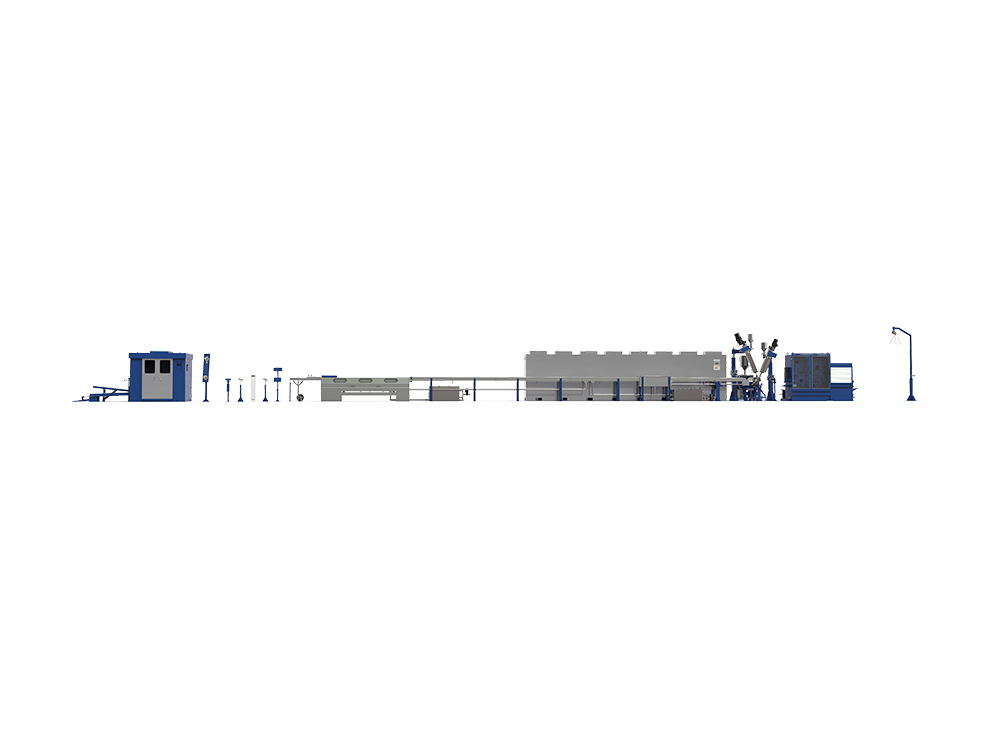
The Physical Foam Insulation Production Line is a high-end manufacturing system ...

The Drawing-Insulation Tandem Line is an integrated system specifically designed...
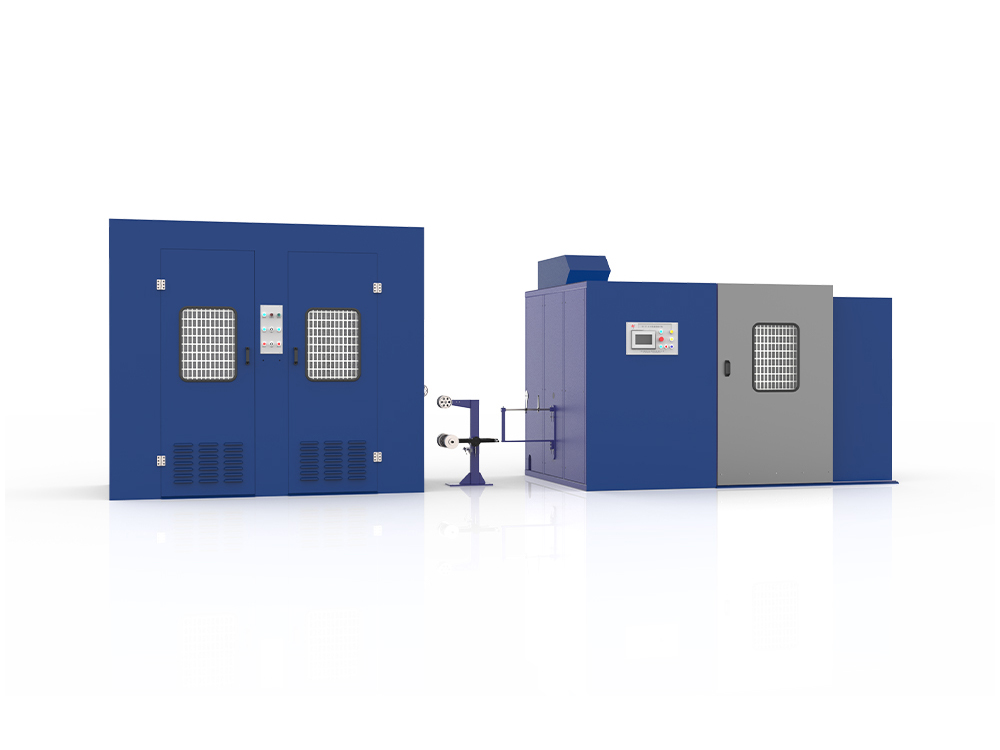
The Pair Twisting Machine with Backtwist is a key piece of equipment specially d...
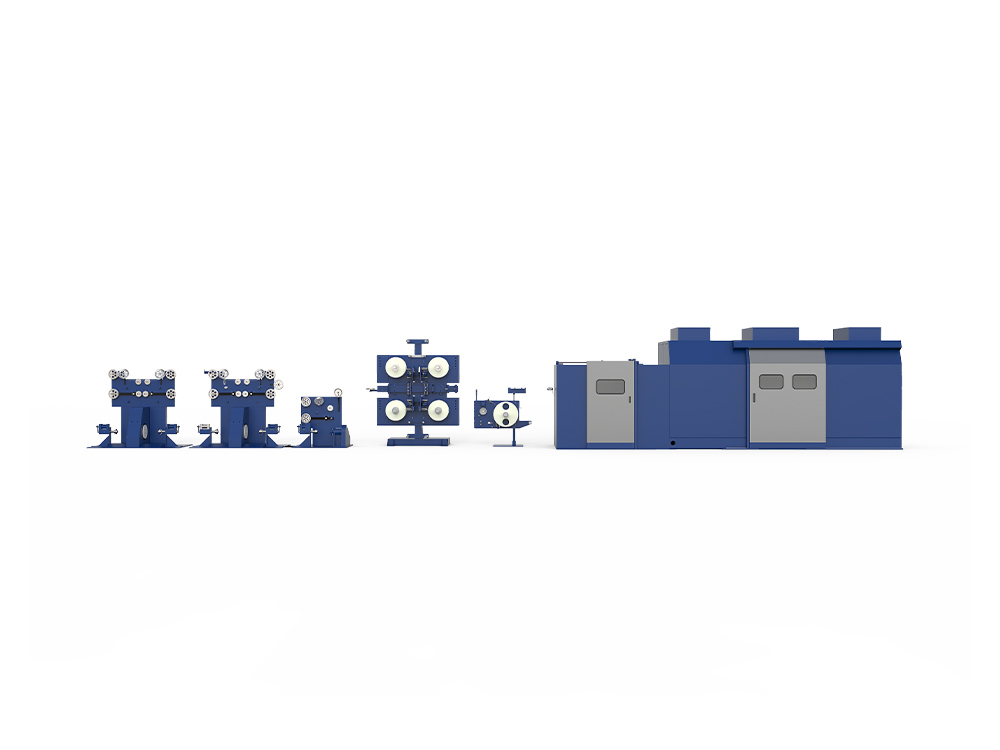
The Single Twist Cabling Machine is a key piece of equipment specially designed ...
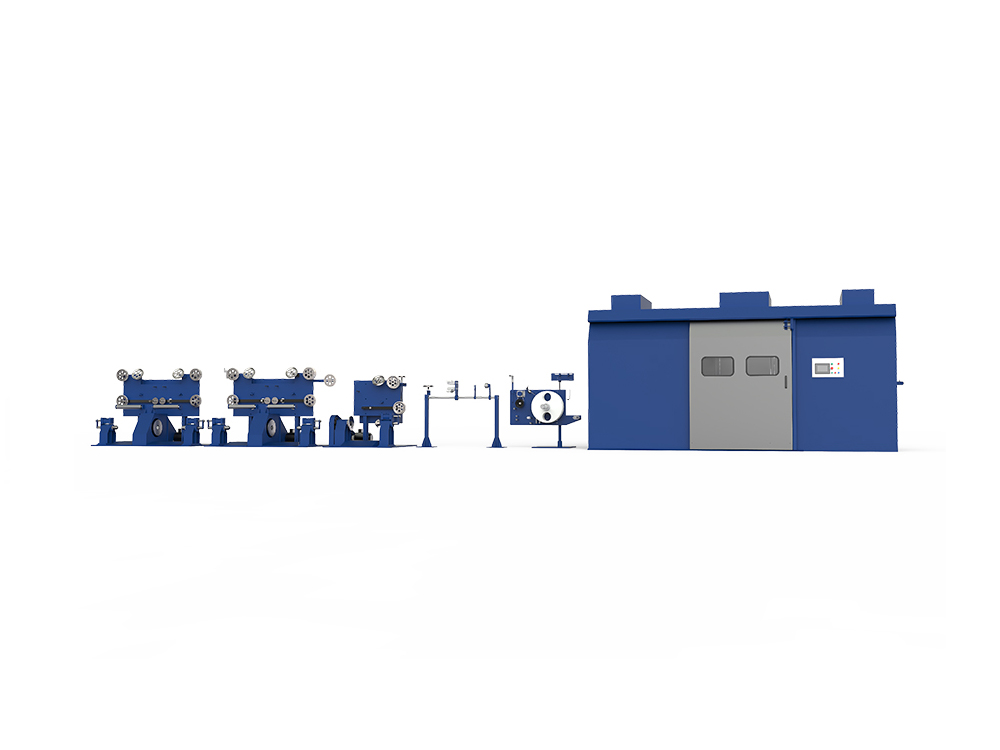
The Double Twist Cabling Machine is a high-end core piece of equipment in the fi...
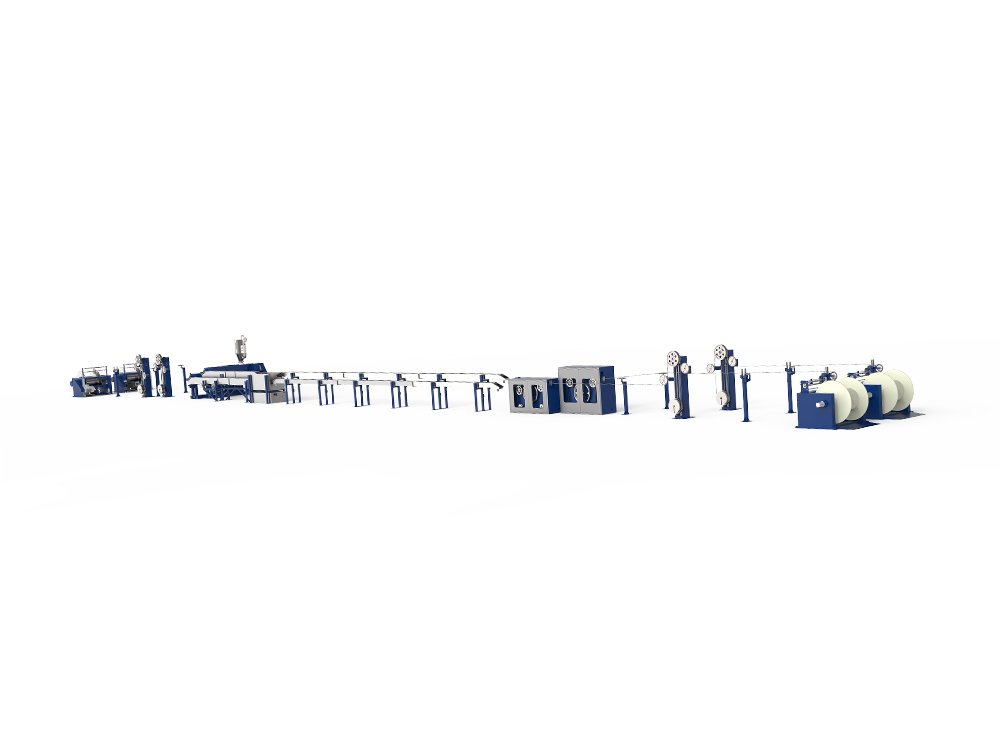
The Cable Jacket Extruder Line is a core piece of equipment for forming the insu...
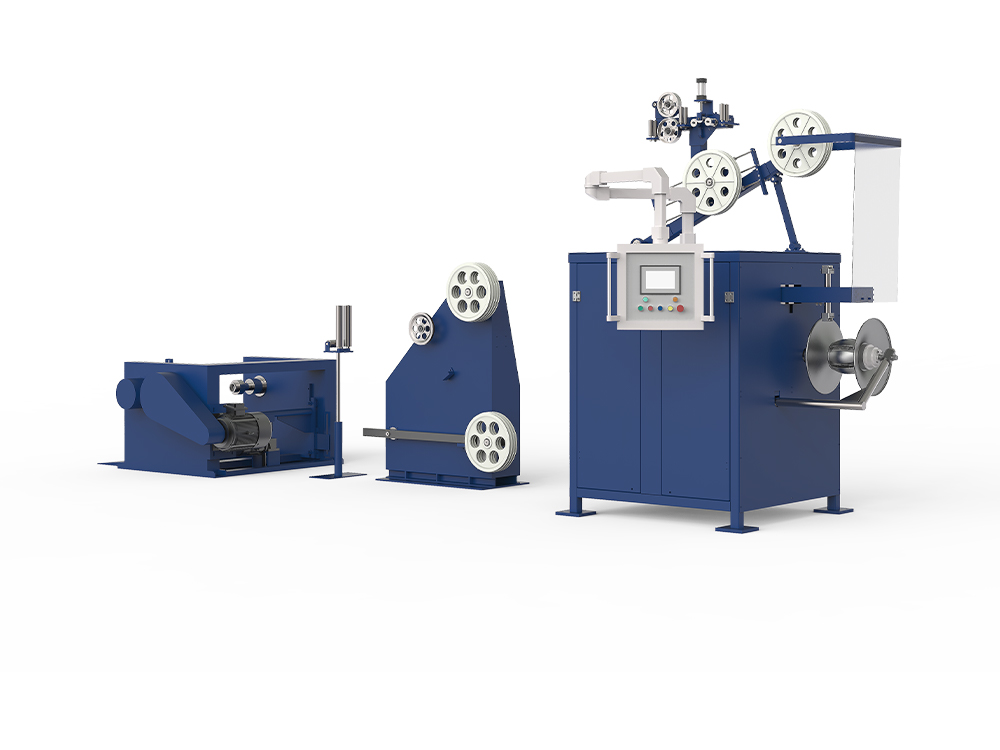
The Mesh Winding Machine is a key piece of equipment for ensuring efficient and ...
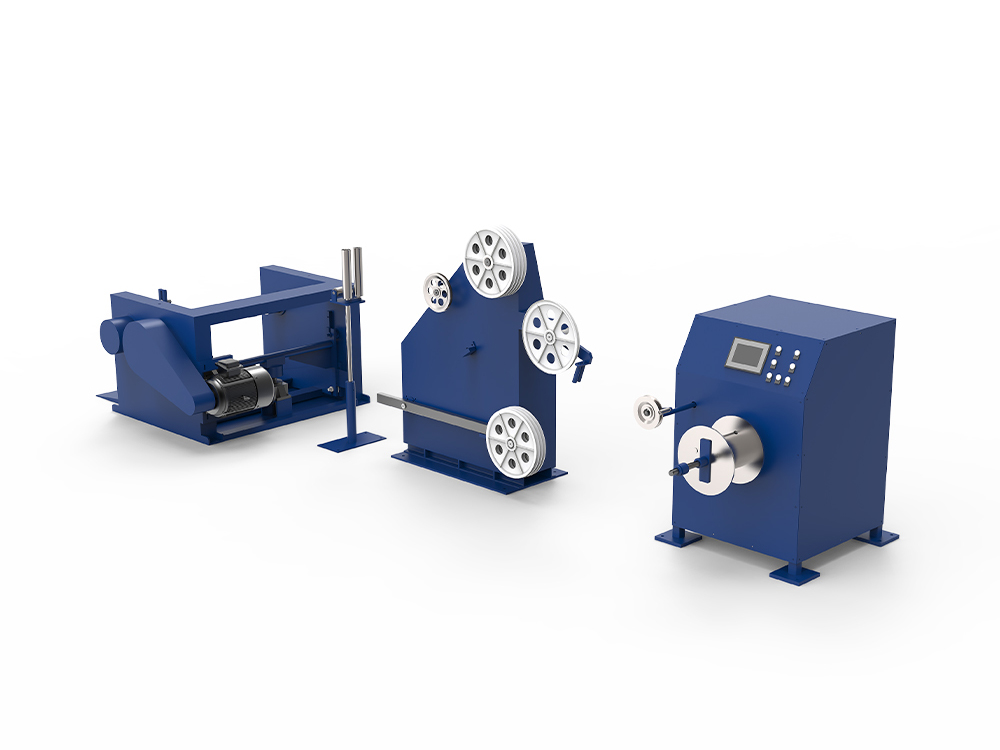
The Rewinding Machine is suitable for the rewinding of various types of cables, ...


Quick Answer: What Is Insertion Loss? Insertion loss is the reduction in signal strength that occurs as a signal passes through a cable, connector, o...
READ MOREThe Direct Answer: Penetration Loss Measures How Well a LAN Cable's Shield Blocks Interference Penetration loss is a measurement of how much electrom...
READ MORESetting up a LAN cable production line requires four core stages: copper wire drawing and annealing, insulation extrusion, pair twisting, and jacketi...
READ MOREAn extruder is a machine that forces molten material through a shaped die to continuously form a product with a defined cross-section. In wire and ca...
READ MOREIndustrial cables are used to transmit electrical power, control signals, and data across machines, infrastructure, and automated systems in virtuall...
READ MORECommon LAN Cable Production Line Malfunctions and Quick Troubleshooting Methods
Wire Breakage: Check if the copper wire is hollow or contains impurities; confirm if the drawing die is worn and if the pressure ratio is appropriate; check the drawing fluid concentration (≈5-6%) and flow rate.
Conductor Eccentricity: Check if the core wire assembly is centered and if the die is aligned; check if the cooling water is sufficient; if changing the color masterbatch, control the concentration to 1-1.2%.
Overheating Annealing Temperature: Monitor the annealing ring temperature and preheating temperature for any exceeding limits; check if the annealing furnace is properly sealed and ventilated to prevent the insulation layer from aging due to heat.
Surface Roughness: Before starting, confirm that each wire has entered the guide groove to prevent scratching the insulation layer; check the gear matching to avoid twisting pitch deviation.
Check for smooth gear transmission; recalibrate pitch parameters if necessary; ensure joints are smooth and burr-free.
Overheating: Monitor oil temperature in real time and maintain it within the specified process range; if insulation burns occur, immediately lower the oil temperature and check the heating element's heat dissipation.
Improper Bundling Tension: Adjust polyester tape tension and bundling yarn speed to ensure uniform coverage and prevent sheath peeling or bulging.
Surface Scratches/Peeling: Check for sand or impurities mixed in with the raw material; clean residue from the die head screw to ensure the die is round and defect-free; control the line speed to match the screw speed.
Bulging, Uneven Wall Thickness: Control the bundling yarn speed during start-up and shutdown to prevent yarn accumulation leading to localized bulging; adjust sheath wall thickness parameters if necessary.
Visual Inspection: Check raw materials, die, and die head for impurities, wear, or deformation. Parameter Verification: Check if key process parameters such as temperature, pressure, tension, and speed are within specified ranges.
Equipment Status: Check if key components (dies, drawing dies, screws, gears) are intact and properly lubricated.
Small-Batch Trial Production: Conduct short-term trial production after adjusting individual parameters to verify if problems have been eliminated.
Record Traceability: Record the causes of abnormalities, handling measures, and parameter adjustments for future prevention.
Differences in Production Processes for Different Types of Cables
| Category | Main Process Characteristics | Typical Applications |
| CAT5e | Uses 24‑AWG solid bare copper conductors; insulation material is fluorinated ethylene (FEP); bandwidth 100 MHz, supports 1 Gbps. | Office and home networking. |
| CAT6 | Employs 0.55‑0.58 mm insulated copper wires with a cross‑brace to increase twist density; bandwidth 250 MHz, supports 10 Gbps. | Server rooms, data centers. |
| CAT6A | Bandwidth up to 500 MHz; thicker sheath and tighter impedance control; supports 10 Gbps over 100 m. | High‑density data centers, industrial automation. |
| CAT7 | Each pair has its own aluminum foil shield; overall metal braid shield; bandwidth 600 MHz, supports 10 Gbps. | High‑speed video transmission, financial trading networks. |
| CAT8 | Dual‑shield structure (pair‑wise foil + overall braid); bandwidth 2000 MHz, supports 25/40 Gbps (≤30 m). | Ultra‑high‑speed data centers, 5G base‑station interconnects. |
Energy Consumption and Carbon Emission Reduction Paths for a LAN Cable Production Line
High-Energy Processes: Copper wire smelting, refining, and plastic (insulation, sheath) synthesis are all energy-intensive processes, resulting in significant carbon dioxide emissions.
Machine Power: High-power equipment such as wire stranding machines and annealing furnaces are major power consumption points; operating speed, temperature, and pressure directly affect power consumption.
| Measure | Specific Implementation | Expected Benefit |
| High‑Efficiency Equipment Selection | Use variable‑frequency drive (VFD) motors and energy‑saving motors that automatically adjust speed according to load. | Motor energy consumption reduced by 10‑15 %. |
| Process Parameter Optimization | Set appropriate line speed, annealing temperature, and compression pressure to avoid excessive heating or over‑speed operation. | Energy consumption per unit output lowered by -5 %. |
| Material Substitution | Adopt recycled copper and recycled or bio‑based plastics to cut carbon emissions from raw‑material extraction. | Raw‑material carbon footprint reduced by 20‑30 %. |
| Defect Rate Control | Deploy online quality‑monitoring systems to detect twist and sheath defects in real time and adjust processes promptly. | Production waste decreased by 8‑12 %. |
| Energy Management System (EMS) | Implement real‑time power monitoring and peak‑valley electricity scheduling; visualize and analyze energy data. | Overall energy consumption reduced by 5‑8 %. |
| Circular Utilization | Establish metal‑plastic separation and recycling loops for reclaimed copper wires and sheath materials. | New material demand lowered by 15‑20 %. |
Cost Reduction: Energy-saving equipment and process optimization directly reduce electricity and raw material costs.
Carbon Emission Compliance: Complies with national "dual carbon" targets, improving the company's ESG rating.
Market Competitiveness: Green and low-carbon LANCable products are more likely to attract large customers' green procurement preferences.
A:This production line achieves full automation from wire pretreatment, extrusion, stranding, shielding, cutting, finished product testing, to packaging, enabling efficient production of various LAN fiber optic/copper cables.
A:It adopts domestically produced high-precision servo control, full-process digital monitoring, and modular structural design, featuring rapid wire changeover, low energy consumption, stable size and impedance control, and short delivery cycles.
A:Yes. The company has a complete R&D chain and can provide complete customized solutions from mechanical structure to electrical systems according to customer's process, specifications, and production capacity requirements.
A:It has passed ISO9001:2008 quality management system certification, ensuring that product quality and delivery processes meet international standards.


Copyright © Zhangjiagang Dachen Machinery Manufacturing Co., Ltd. All rights reserved. Wholesale LAN Cable Production Line Supplier
