 русский
 中文简体
中文简体 Español
 Deutsch
 عربى
عربى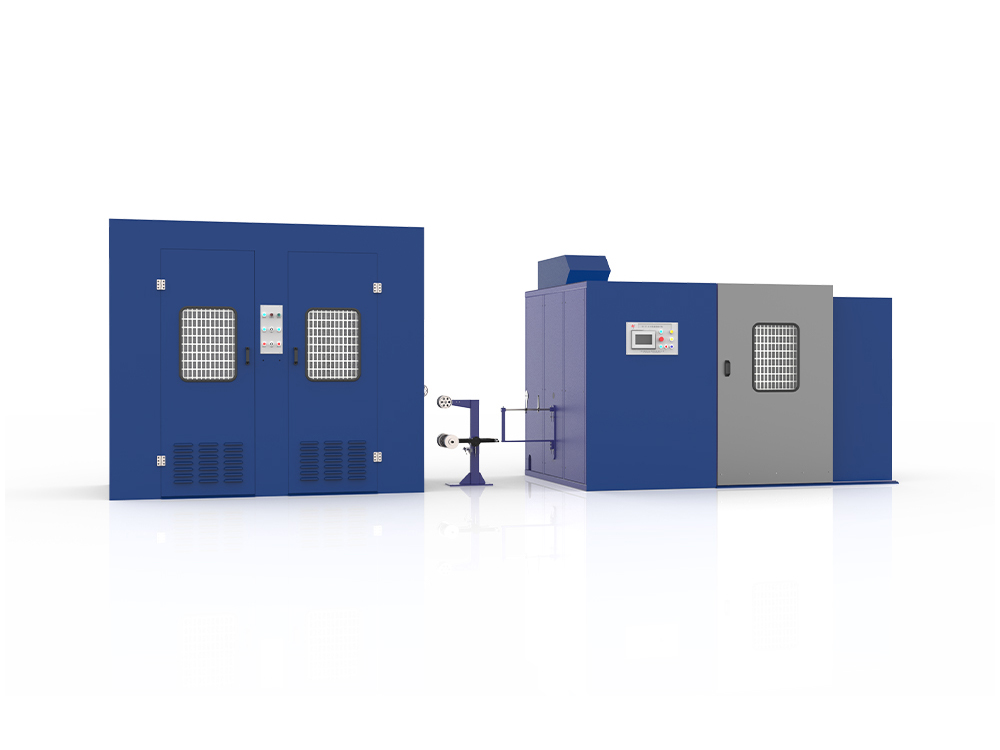
Cable Core Wire Insulation Extruder Line
The Core Wire Insulation Extruder Line is suitable for insulation extrusion oper...



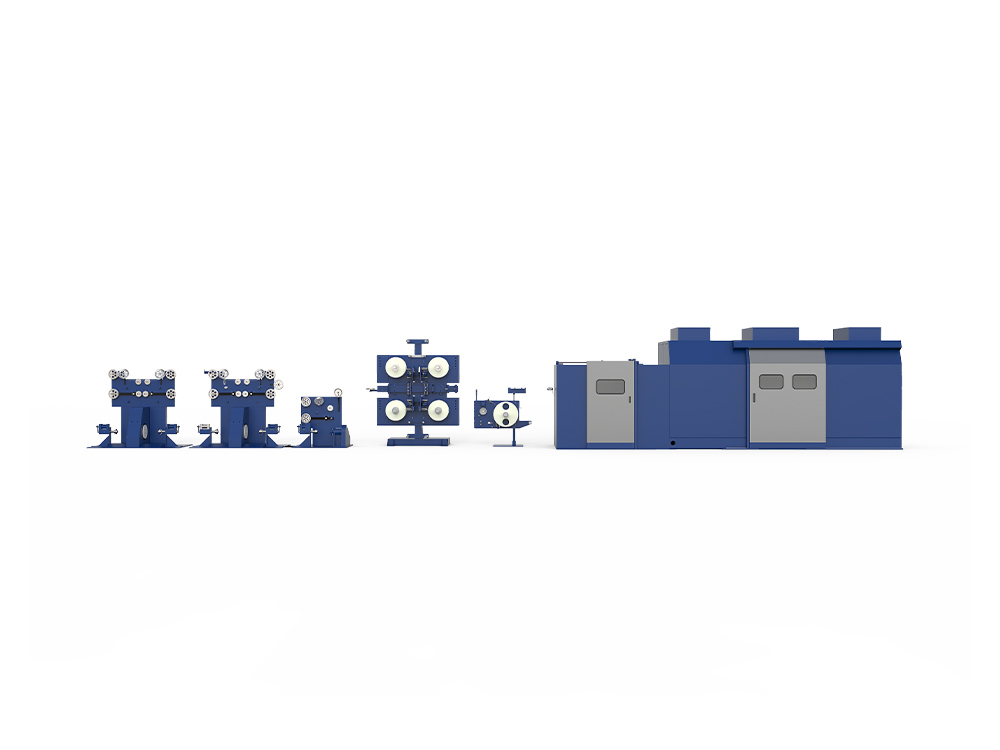
The industrial cable production line is mainly used for manufacturing power cables, industrial cables, control cables, automotive cables, etc. The production line adopts full-process automated control, covering core processes such as insulation extrusion, untwisting and cabling, sheathing, and fixed-length packaging. It can accurately extrude various common insulation materials such as PVC, PE, TPEE, PP, and FEP, meeting the diversified requirements for insulation performance of different cable products.The production line incorporates an advanced modular design concept, with clear functions and synergistic collaboration among components, offering a high degree of flexibility and scalability. Users can flexibly select components according to their production scale, cable specifications, and process requirements to achieve personalized customization of the production line, adapting to different production scenarios.
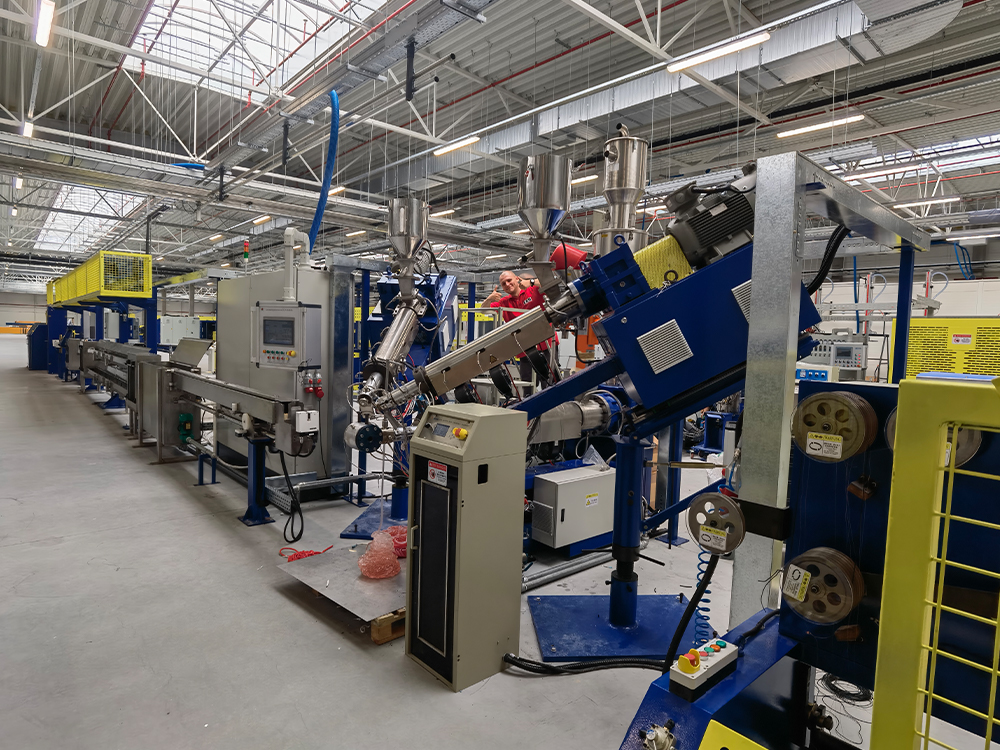
The Core Wire Insulation Extruder Line is suitable for insulation extrusion oper...
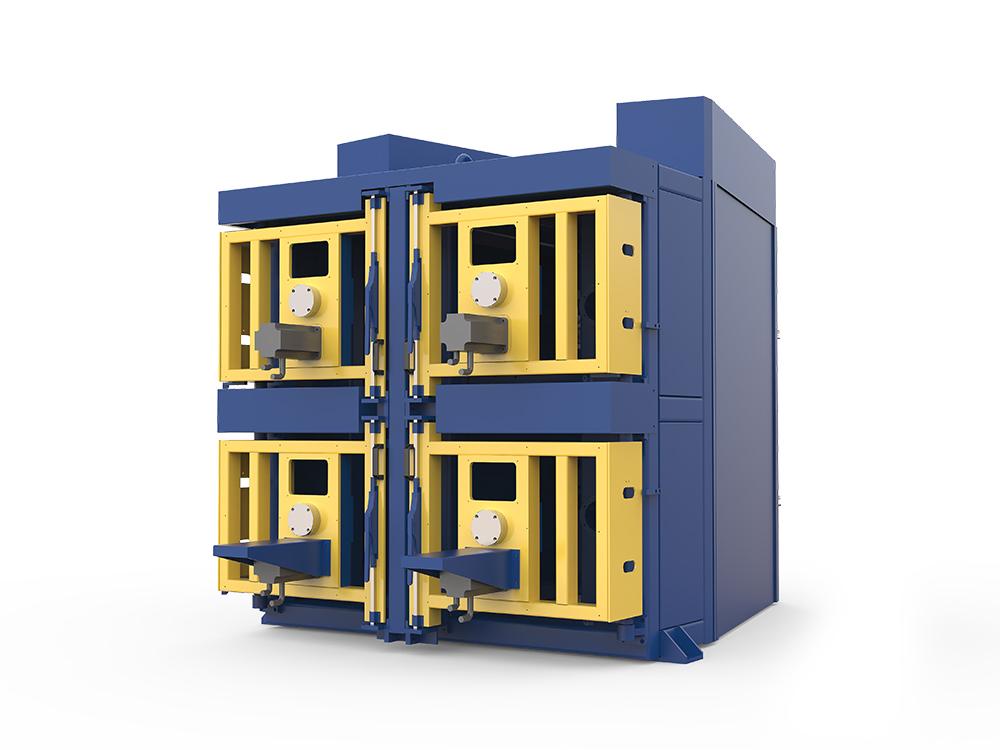
The Cabling Machine with Backtwist is suitable for the cabling operations of var...


Quick Answer: The Core Difference Between Single Mode and Multimode Fiber The main difference comes down to core size and how light travels through ...
READ MOREDirect Answer: The Three Core Types of Networking Cables There are three primary types of cables in networking: twisted pair cable, coaxial cable, an...
READ MOREQuick Answer: What Is Insertion Loss? Insertion loss is the reduction in signal strength that occurs as a signal passes through a cable, connector, o...
READ MOREThe Direct Answer: Penetration Loss Measures How Well a LAN Cable's Shield Blocks Interference Penetration loss is a measurement of how much electrom...
READ MORESetting up a LAN cable production line requires four core stages: copper wire drawing and annealing, insulation extrusion, pair twisting, and jacketi...
READ MOREIndustrial cable production lines, operating under high temperatures, mechanical movement, and electrical work conditions, must be equipped with systematic safety protection. Key measures include:
1. Protective fencing and safety doors: Install protective netting, fences, and lockable safety doors in critical equipment areas to prevent personnel from accidentally entering high-risk areas.
2. Waterproof, dustproof, and corrosion-resistant: Control cabinets, PLCs, and other electrical components use waterproof, dustproof, and corrosion-resistant housings to ensure reliable operation in humid or dusty environments.
3. Emergency stop and emergency stop buttons: All critical machinery is equipped with distributed emergency stop buttons, allowing operators to instantly cut off power in emergencies.
4. Safety signage and training: Post warning signs near equipment and conduct regular safety training and drills to improve the safety awareness of all personnel.
5. On-site monitoring and alarm system: Use sensors to monitor abnormalities such as temperature and gas leaks in real time, triggering audible and visual alarms and automatically shutting down the system.
| Safety Measure | Key Points |
| Guardrails / Safety Doors | Prevent unauthorized entry, lockable control |
| Waterproof, Dust‑proof, Corrosion‑proof | Equipment enclosures meet IP66 rating |
| Emergency Stop Buttons | Distributed, rapid power cut‑off |
| Warning Signs & Training | Clear signage, regular drills |
| On‑site Monitoring & Alarms | Temperature, gas sensors; trigger audible/visual alarms and automatic shutdown |
1. PLC (Programmable Logic Controller): Responsible for real-time logic control of field devices, supporting high-speed I/O and redundant dual-machine hot standby.
2. SCADA (Supervisory Control and Data Acquisition): The upper-level system provides a human-machine interface (HMI) and historical data storage, enabling remote monitoring, alarm, and reporting functions.
3. Fieldbus (PROFIBUS/PROFINET): Industrial fieldbus is used between the PLC and sensor actuators to achieve high-speed and reliable field communication.
4. Layered Architecture (ISA-95): From the field layer (L0/L1) to the factory layer (L2/L3) and then to the enterprise layer (L4), hierarchical information flow and integration with business systems (MES/ERP) are achieved.
5. Edge Computing and Cloud Collaboration: Key control logic is executed on edge PLCs, and data is uploaded to the cloud platform via industrial Ethernet for big data analysis and predictive maintenance.
| Technology Component | Function Description |
| PLC (Programmable Logic Controller) | Local real‑time control, redundant hot‑standby |
| SCADA / HMI | Monitoring, alarm handling, data acquisition |
| PROFIBUS / PROFINET (Fieldbus) | High‑speed, reliable field communication |
| ISA‑95 Layered Architecture | Hierarchical information flow, MES/ERP integration |
| Edge Computing + Cloud Platform | Real‑time analytics, predictive maintenance |
Cable production involves energy-intensive processes such as extrusion, coating, and cutting. Based on publicly available industry data, the main energy consumption and carbon emission characteristics are as follows:
1. Unit Energy Consumption: Approximately 0.5 kWh of electricity and 0.03 MJ of heat are consumed per kilometer of PVC insulated cable produced.
2. Carbon Emission Factor: The direct CO₂ emission from producing 1 kilometer of 1 kV low-voltage cable is approximately 0.12 kg CO₂.
3. Energy Saving Potential: By optimizing the extrusion process and waste heat recovery, overall energy consumption can be reduced by 20%-30%, resulting in a corresponding reduction in CO₂ emissions of 30%-50%.
4. Life Cycle Perspective: From raw material refining to finished product delivery, the total CO₂ emissions over the entire life cycle are approximately 600 kg CO₂/ton of cable, with the production stage accounting for approximately 70%.
| Item | Key Indicator | Remarks |
| Unit Electrical Energy Consumption | –0.5 kWh per km of PVC‑insulated cable | Industry benchmark |
| CO₂ Emission Factor | 0.12 kg CO₂ per km (1 kV low‑voltage cable) | Direct emissions during production |
| Energy‑Saving Potential | Reduce energy use by 20%‑30% | Through waste‑heat recovery and process optimization |
| Lifecycle Emissions | –600 kg CO₂ per ton of cable | Production stage accounts for -70% of total lifecycle emissions |
Frequently Asked Questions (FAQ)
Q1: Which industries are Zhangjiagang Dachen Machinery Manufacturing Co., Ltd.'s industrial cable systems suitable for?
A:They are widely used in power transmission, control signals, and data communication in industries such as energy, communications, construction, transportation, and mining.
Q2: What are the cost-performance advantages of Zhangjiagang Dachen Machinery Manufacturing Co., Ltd.'s equipment?
A:Through independent research and development of core components and a high localization rate, they achieve low cost and high performance, which is highly favored by customers at home and abroad.
Q3:What does Zhangjiagang Dachen Machinery Manufacturing Co., Ltd.'s after-sales service include?
A:They provide comprehensive services including on-site installation and commissioning, technical training, remote diagnostics, spare parts supply, and one year of free maintenance.
Q4:What are the core advantages of Zhangjiagang Dachen Machinery Manufacturing Co., Ltd.'s industrial cable production lines?
A: They possess complete integrated capabilities in R&D, design, manufacturing, and commissioning, and have a technical team with over 20% senior engineers, ensuring high product reliability and short delivery cycles.


Copyright © Zhangjiagang Dachen Machinery Manufacturing Co., Ltd. All rights reserved. Wholesale Industrial Cable Production Line Supplier
