

What Is a Wire Check? A Direct Answer A wire check is a quality-control inspection performed on a conductor or finished cable to confirm that its electrical and physical properties meet specification before it leaves the industrial cable production line. In practice this means v...
READ MOREQuick Answer: The Core Difference Between Single Mode and Multimode Fiber The main difference comes down to core size and how light travels through it. Single mode fiber uses a core roughly 9 microns wide, sending a single, tightly focused laser beam straight down the fiber, wh...
READ MOREDirect Answer: The Three Core Types of Networking Cables There are three primary types of cables in networking: twisted pair cable, coaxial cable, and fiber optic cable. Twisted pair cable (Cat5e through Cat8) dominates local area network installations because it balances cost, ...
READ MORE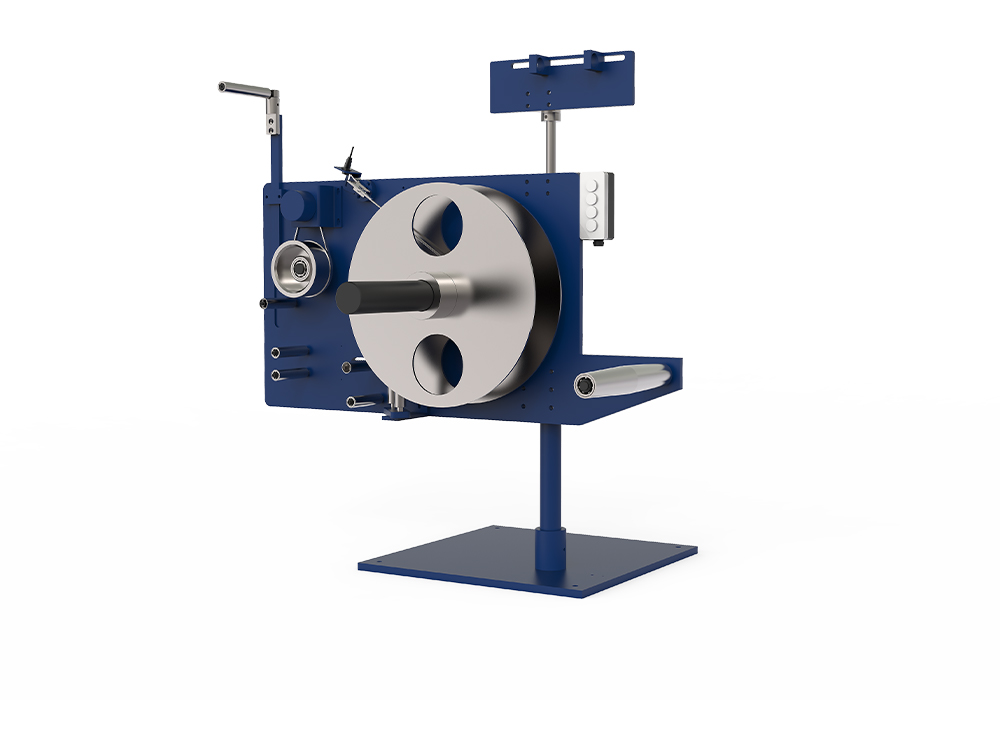
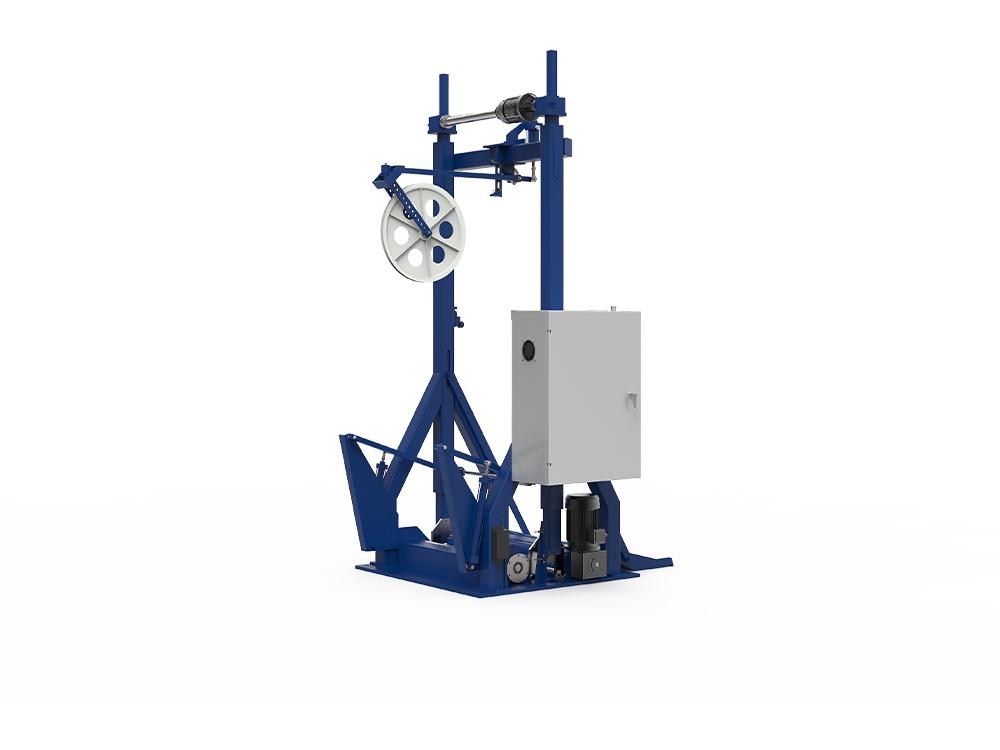
The Tape Pay-off Machine is driven by an AC motor and equipped with a constant-tension control system, offering stepless tension adjustment within the range of 5–50 N. It supports tape rolls with widt...
See Details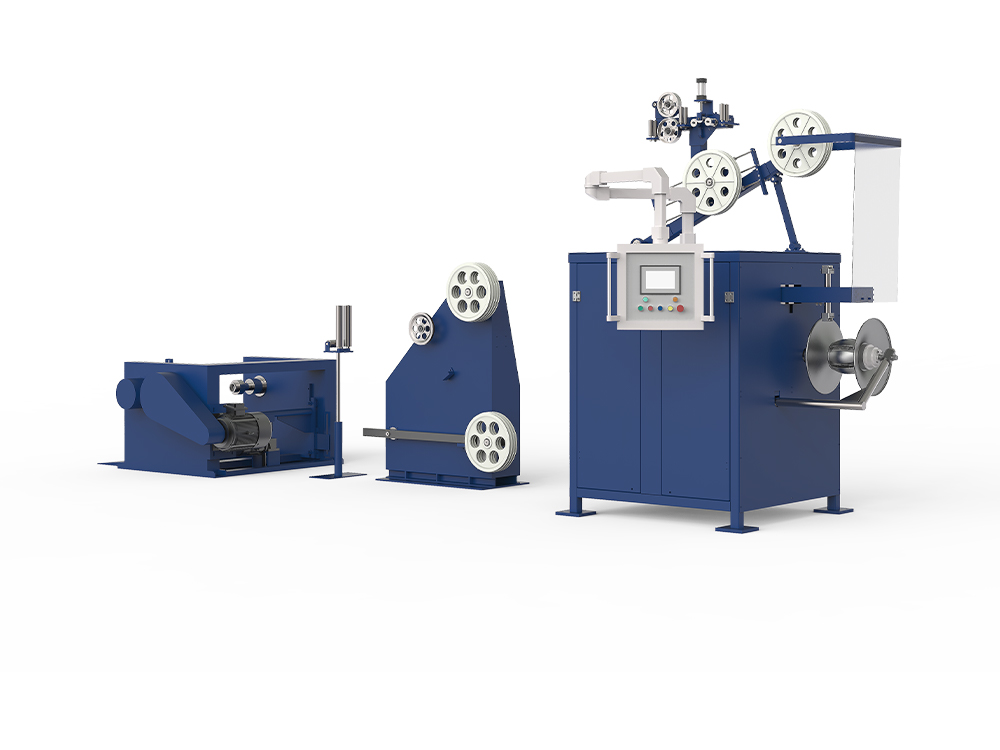
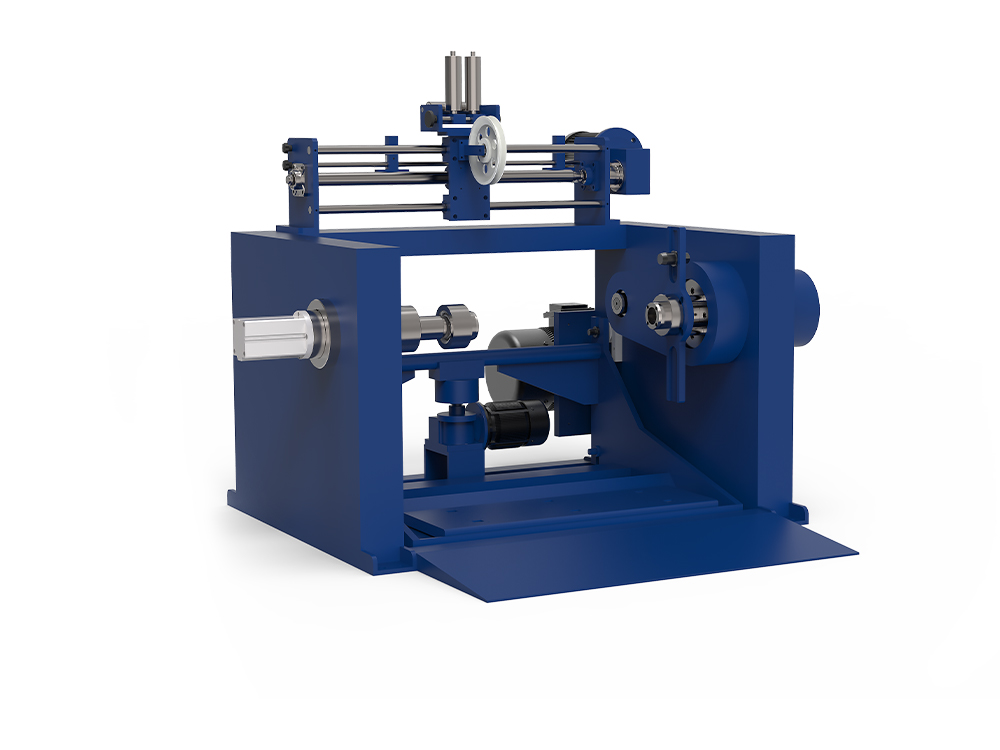
The Mesh Winding Machine is a key piece of equipment for ensuring efficient and high-quality cable coiling. Its performance directly affects the packaging quality, storage, and transportation convenie...
See Details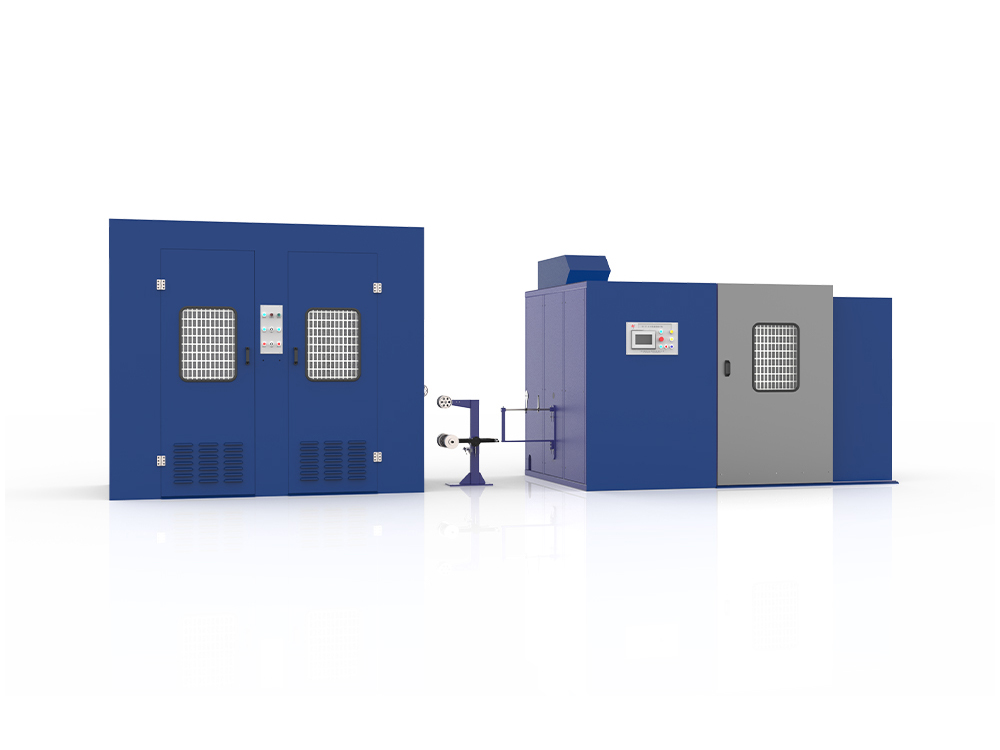
The Pair Twisting Machine with Backtwist is a key piece of equipment specially designed for LAN cable production. It is primarily used to twist two insulated core wires according to specific requireme...
See Details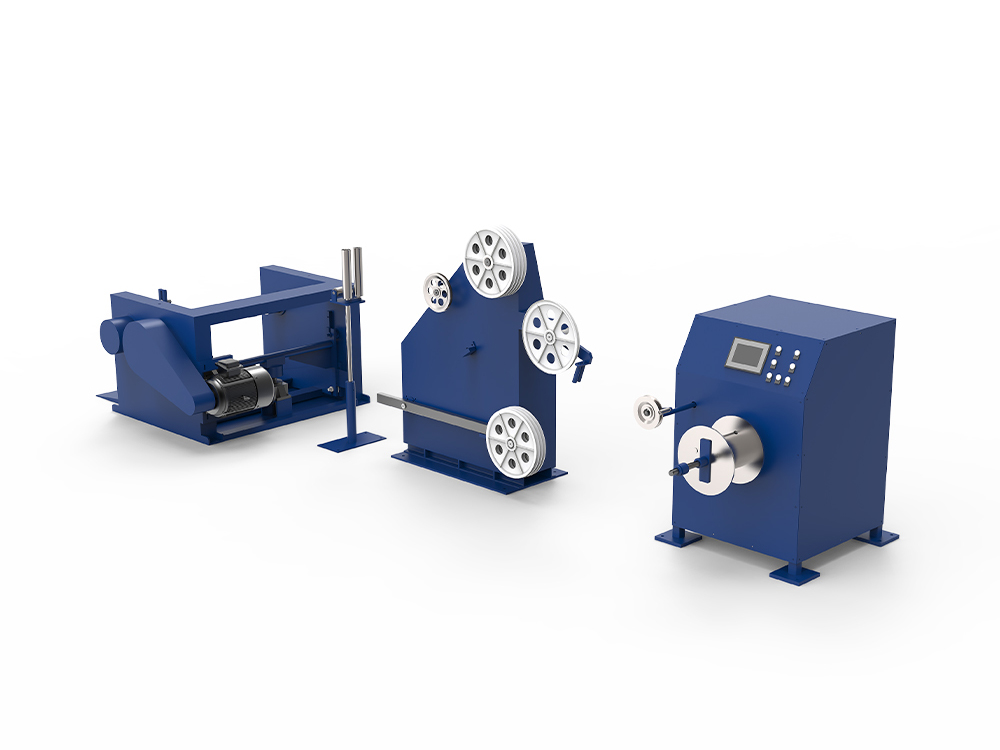
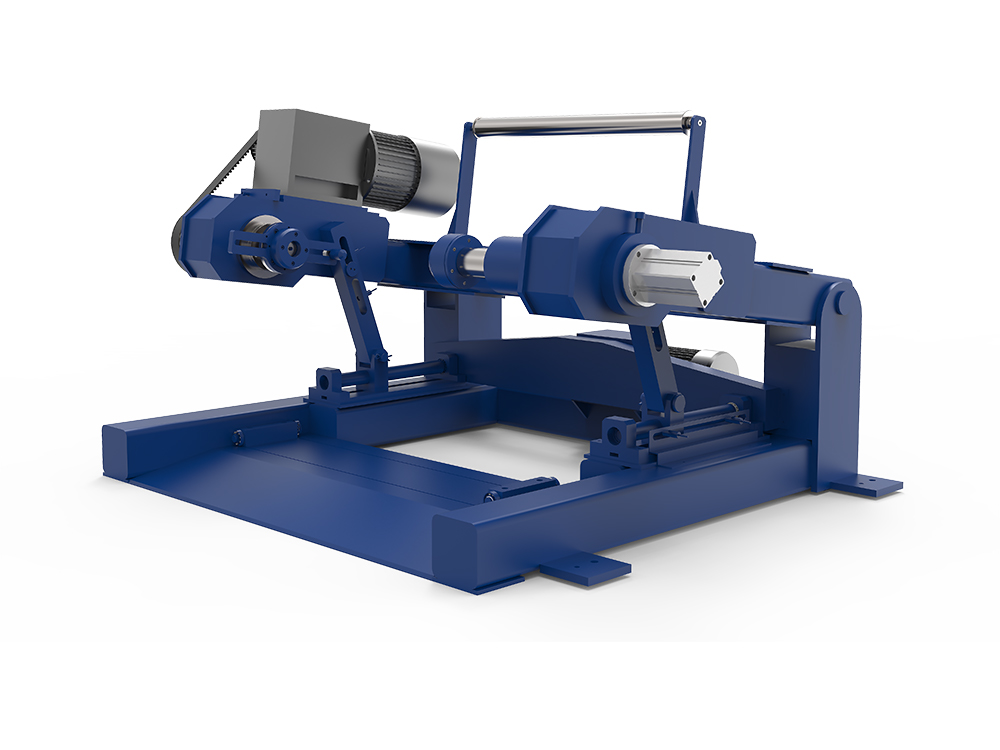
The Rewinding Machine is suitable for the rewinding of various types of cables, including power cables, communication cables, and control cables. It can handle different cable specifications and mater...
See Details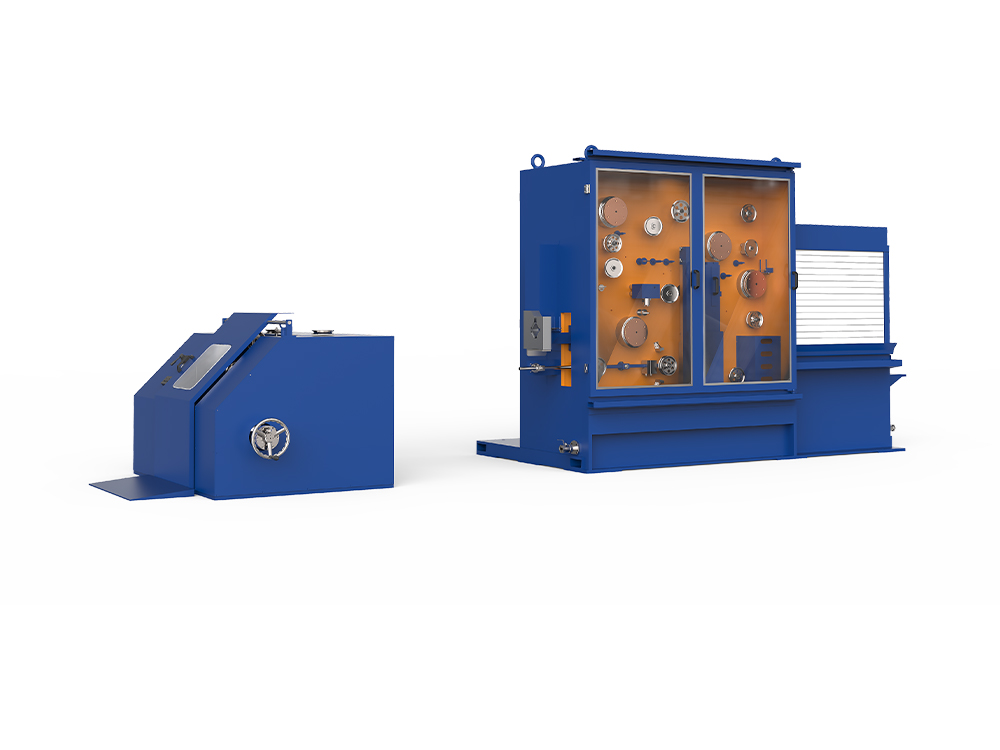
The Silver-Plated Conductor Drawing Annealing Machine is a high-end continuous drawing and annealing system, jointly developed based on the quality characteristics of premium silver-plated conductors ...
See Details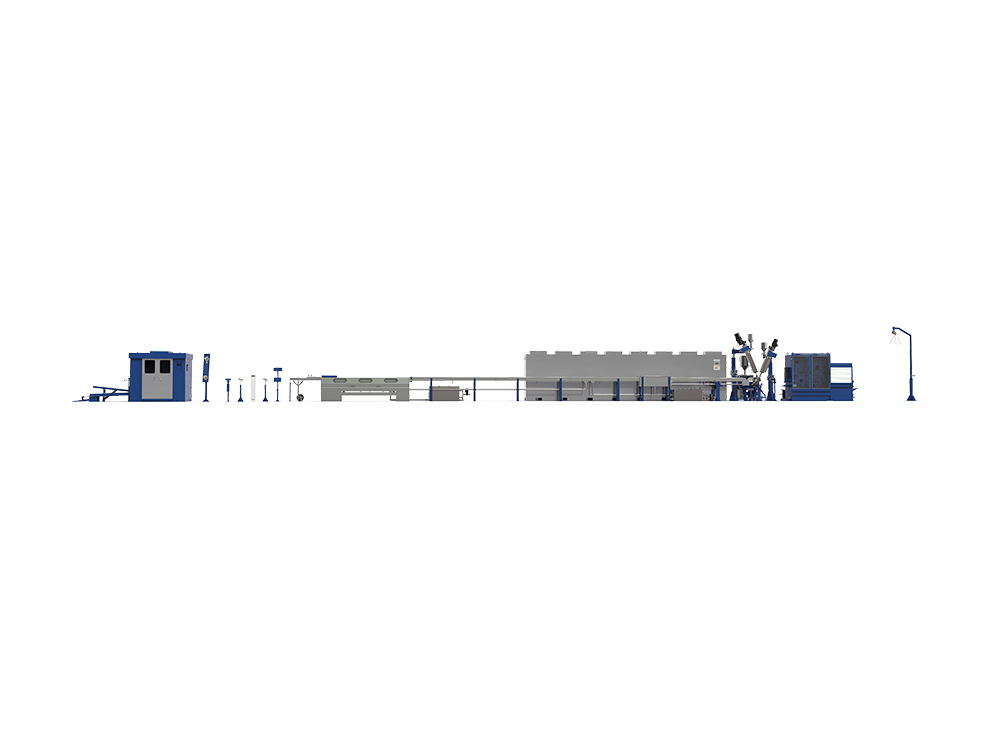
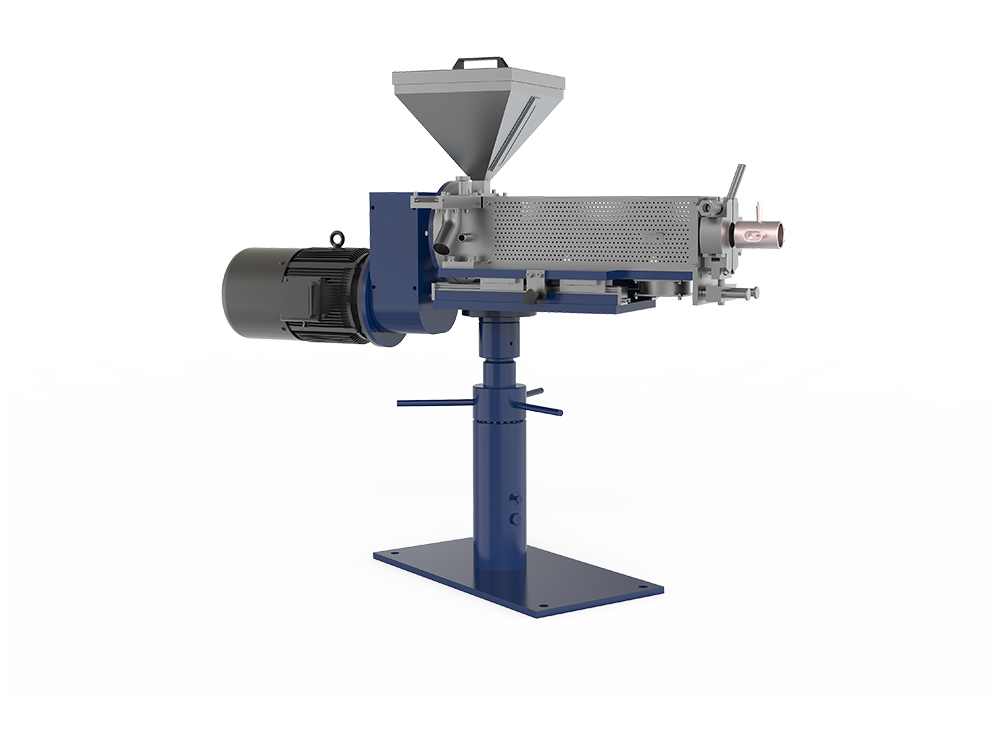
The Physical Foam Insulation Production Line is a high-end manufacturing system tailor-made for LAN cable production. It is suitable for the physical foaming insulation processing of various high-perf...
See DetailsWhat are the main structural components of a Cable Pay-Off & Take-Up Machine?
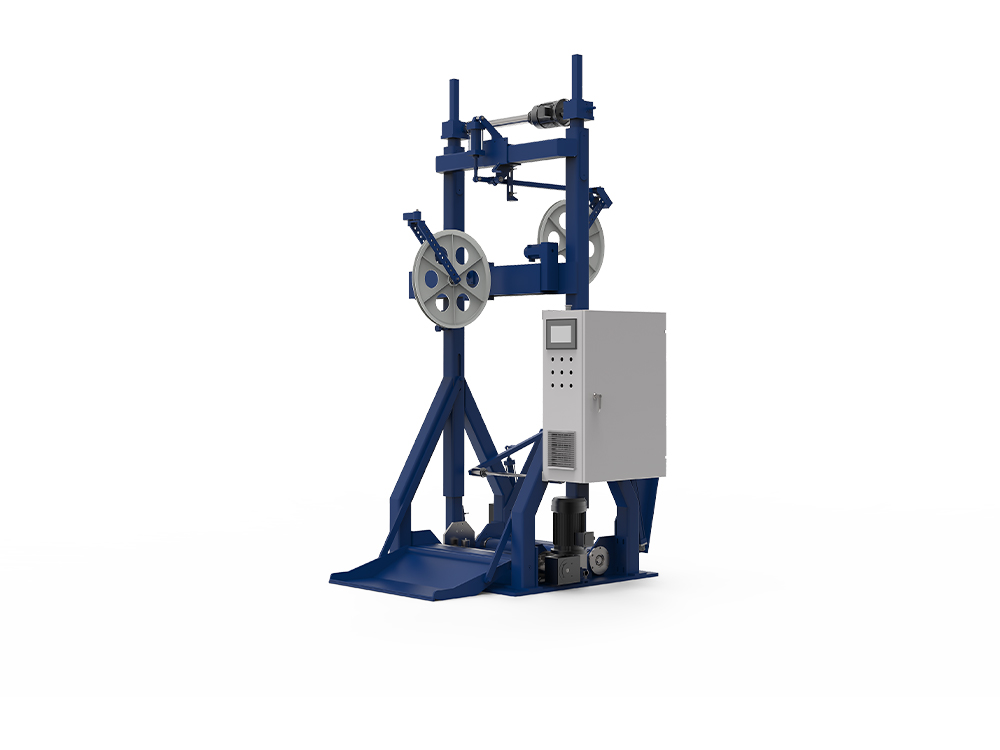
Core Structural Components of a Cable Pay-Off & Take-Up Machine:
1. High-Strength All-Steel Frame and Base: Utilizing a combination of bent and welded all-steel plates and rectangular steel tubing, the frame undergoes aging treatment to ensure rigidity and durability.
The base features a reinforced base plate with anti-slip pads, effectively resisting impacts and vibrations during operation.
2. Power and Transmission System: The main drive employs a closed-loop AC motor control with frequency converter speed regulation, achieving dynamic tension adjustment from 10-500N.
The transmission uses a high-precision gearbox or hardened gear reducer, providing high torque and low-noise drum rotation.
3. Tension Control and Measurement Unit: Employing a closed-loop tension sensor and PLC control, it achieves real-time tension monitoring and automatic compensation, ensuring uniform winding and stable tension.
Supports spool sizes from ϕ500-ϕ1250mm, compatible with copper, aluminum, and composite conductor materials.
4. Drum and Rewinding Mechanism
The dual-drum design, equipped with a shaftless opening and closing slot structure, allows for drum loading and unloading without the need for a crane.
The automatic drum loading/unloading mechanism, in conjunction with a PLC, enables 24-hour continuous operation, significantly reducing rewinding time.
5. Control Cabinet and HMI
Utilizing Siemens/Danfoss frequency converters and a touchscreen, it supports parameter setting, fault display, and remote monitoring.
| Key Component | Function & Features |
| High‑strength all‑steel frame | Bent‑welded steel plates and seamless steel tubes, aged for corrosion resistance and rigidity; supports machine weight and vibration |
| Main drive & transmission system | AC motor with closed‑loop control and variable‑frequency speed regulation (10‑500 N dynamic tension); gear reducer or helical gearbox provides high torque and low noise |
| Tension control unit | Tension sensor + PLC closed‑loop for real‑time tension monitoring and automatic compensation; accommodates φ500‑φ1250 mm spools, compatible with copper, aluminum and composite conductors |
| Dual spools & shaft‑free opening slot | Dual‑spool cross layout with shaft‑free opening slot enables rapid slide‑in/slide‑out of spools without a crane |
| Automatic loading/unloading mechanism | Hydraulic/pneumatic lift platform with positioning rails for automatic gripping, aligning and locking of spools; supports 24 h continuous operation |
| Control cabinet & HMI | Siemens/Danfoss inverter + touch screen for parameter setting, fault display and remote monitoring |
How are rapid and automatic rewinding functions achieved?
Implementation Path for Rapid and Automatic Rewinding Functions
1. Shaftless Opening and Closing Slot and Cross-Layout of Dual Drums
The shaftless opening and closing slot structure, combined with a cross-layout of dual drums, enables rapid sliding in and out of the drums without the need for additional lifting equipment.
2. Automatic Drum Loading and Unloading Mechanism
Through a hydraulic or pneumatic lifting platform, in conjunction with positioning guide rails, the mechanism achieves automatic gripping, positioning, and locking of the drums, completing a "one-click rewinding change."
This device is fully integrated with the PLC, automatically calibrating tension parameters after roll change to ensure the next roll immediately enters a stable production state.
3. Collaborative Operation of PLC and Closed-Loop Control
The roll change command is issued by the PLC. The system automatically stops winding, switches drives, calibrates tension, and starts the new roll.
By monitoring the roll position sensor in real time, precise alignment during the roll change process is ensured, avoiding tension fluctuations caused by errors.
4. Example of Advantages in Roll Change Time
After adopting the above automation solution, roll change time can be shortened from the traditional 10-15 minutes to 2-3 minutes, achieving efficient 24-hour continuous operation.
| Implementation | Reference |
| Shaft‑free opening slot + dual‑spool cross layout | Allows spools to be quickly slid in/out on the same plane, eliminating the need for lifting equipment |
| Automatic loading/unloading unit (hydraulic/pneumatic) | Lift platform with positioning rails achieves “one‑button” gripping, automatic alignment and locking; change time reduced from 10‑15 min to 2‑3 min |
| PLC‑driven closed‑loop coordination | Change‑reel command issued by PLC automatically stops operation, switches drive, calibrates tension and starts the new reel, ensuring immediate tension stability |
| Automatic / manual switch mode | Machine equipped with switches for automatic or manual reel change, providing flexibility according to production needs |
How are machine safety protection measures configured?
Machine Safety Protection Measures Configuration Scheme
1. Overload Protection and Fault Warning
The frame has a built-in overload protection device, which, in conjunction with the tension sensor, monitors in real time. If the load exceeds the set range, the machine automatically stops and an alarm is triggered.
The control cabinet is equipped with fault indicator lights and audible and visual alarms, allowing operators to detect and handle abnormalities immediately.
2. Emergency Stop and Safety Door Interlock
Equipped with E-Stop buttons located at key positions on the control panel and machine body, meeting IEC 60204-1 safety standards.
Safety doors or protective covers are equipped with interlock switches; the system automatically stops operation when the door is not closed, preventing personnel from accidentally entering hazardous areas.
3. Pneumatic/Hydraulic Braking System
Utilizes a pneumatic brake valve for rapid braking during shutdown or emergency stop, preventing secondary injuries caused by the drum's inertial rotation.
4. Maintenance Early Warning and Periodic Inspection
The PLC records the operating time and temperature of critical components, automatically prompting maintenance when preset thresholds are reached.
Modular design facilitates quick replacement of worn parts, reducing maintenance downtime.
| Configuration Details | Reference |
| Overload protection & fault warning | Mechanical overload devices and PLC fault alarms on the main motor and tension system; automatic stop and visual/audible alerts when limits are exceeded |
| Emergency stop (E‑Stop) & safety‑door interlock | Multiple E‑Stop buttons placed on the control panel and critical machine points; safety doors or guards interlocked so the machine stops if not closed |
| Pneumatic/hydraulic braking system | Braking valves on the reel‑changing and lifting mechanisms provide rapid stop to prevent inertia‑driven secondary injuries |
| Limit switches & protective guards | Limit switches on spool lift and lateral travel, combined with guards covering all rotating parts to prevent accidental entry into hazardous zones |
| Maintenance warning & periodic inspection | PLC logs operating hours and temperature of critical components; alerts trigger maintenance when thresholds are reached; modular design enables quick replacement of wear parts |
Frequently Asked Questions (FAQ)
Q1:What are the core functions of the Cable Pay-Off & Take-Up Machine?
A:This equipment is used for unwinding (pay-off) and rewinding (take-up) cable reels, achieving high-precision tension control, automatic positioning, and adaptability to various reel diameters. It is widely used in wire stranding, extrusion, sheathing, and armoring processes.
Q2:What types of cables is the Pay-Off & Take-Up machine suitable for?
A:Suitable for various specifications of fiber optic, power, communication, and special industrial cables; it can handle large-size reels with diameters from 0.5mm to 60mm and reel diameters from 800mm to 1700mm.
Q3:What industries does it primarily serve?
A:Cable, fiber optic, plastics processing, and other special non-standard machinery industries.
Q4:What are the main drive methods for the equipment?
A:Electric drive, hydraulic drive, or pneumatic drive, which can be selected according to requirements.


Copyright © Zhangjiagang Dachen Machinery Manufacturing Co., Ltd. All rights reserved. Custom Cable Pay-Off & Take-Up Machine Manufacturers

 русский
 中文简体
中文简体 Español
 Deutsch
 عربى
عربى