 русский
 中文简体
中文简体 Español
 Deutsch
 عربى
عربى
1、Adaptable wire diameter range: 5-10mm
2、Speed: max200m/min
3、Meter counting accuracy: ±0.5%.



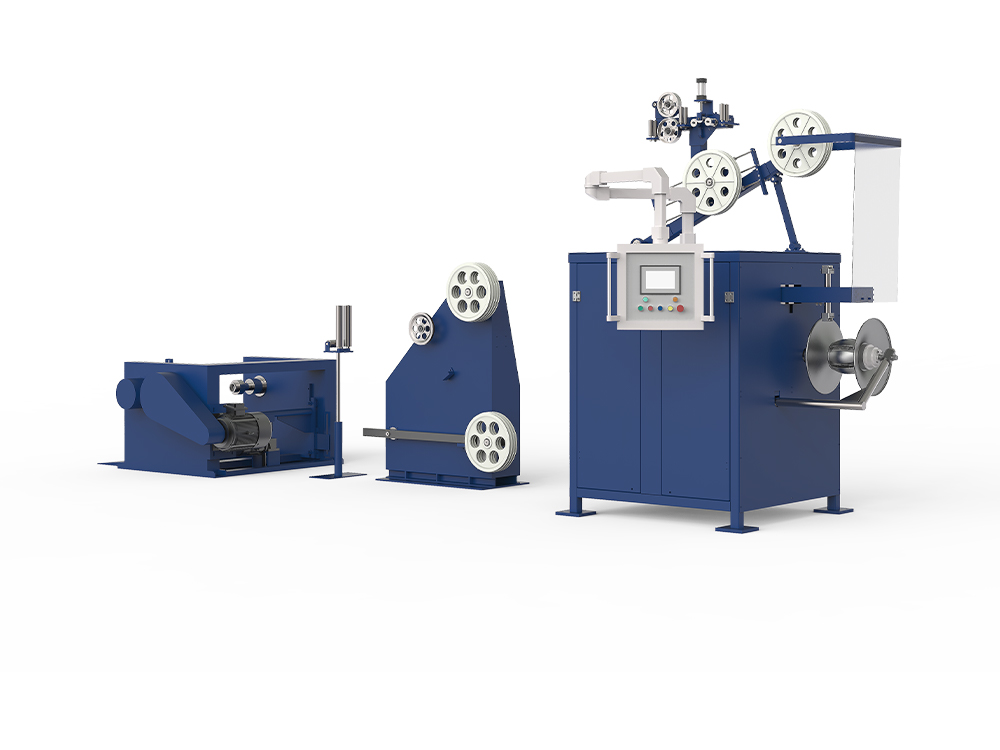
1、Adaptable wire diameter range: 5-10mm
2、Speed: max200m/min
3、Meter counting accuracy: ±0.5%.


What Is a Wire Check? A Direct Answer A wire check is a quality-control inspection performed on a conductor or finished cable to confirm that its electrical and physical properties meet specification before it leaves the industrial cable production line. In practice this means v...
READ MOREQuick Answer: The Core Difference Between Single Mode and Multimode Fiber The main difference comes down to core size and how light travels through it. Single mode fiber uses a core roughly 9 microns wide, sending a single, tightly focused laser beam straight down the fiber, wh...
READ MOREDirect Answer: The Three Core Types of Networking Cables There are three primary types of cables in networking: twisted pair cable, coaxial cable, and fiber optic cable. Twisted pair cable (Cat5e through Cat8) dominates local area network installations because it balances cost, ...
READ MORE
The Rewinding Machine is suitable for the rewinding of various types of cables, including power cables, communication cables, and control cables. It can handle different cable specifications and mater...
See Details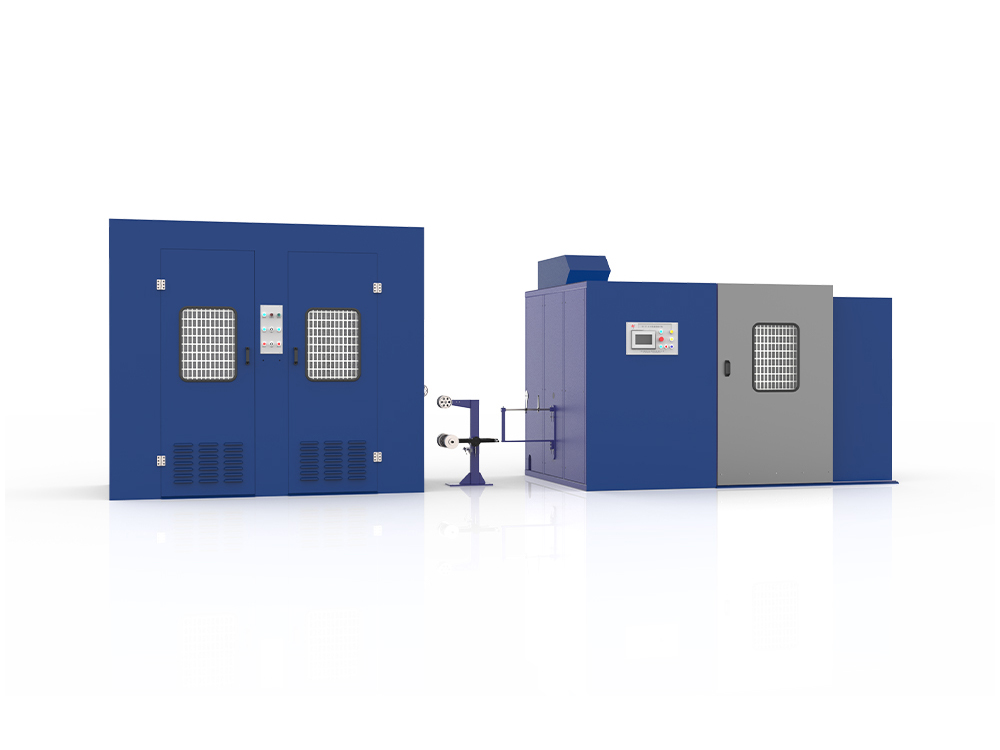
The Pair Twisting Machine with Backtwist is a key piece of equipment specially designed for LAN cable production. It is primarily used to twist two insulated core wires according to specific requireme...
See Details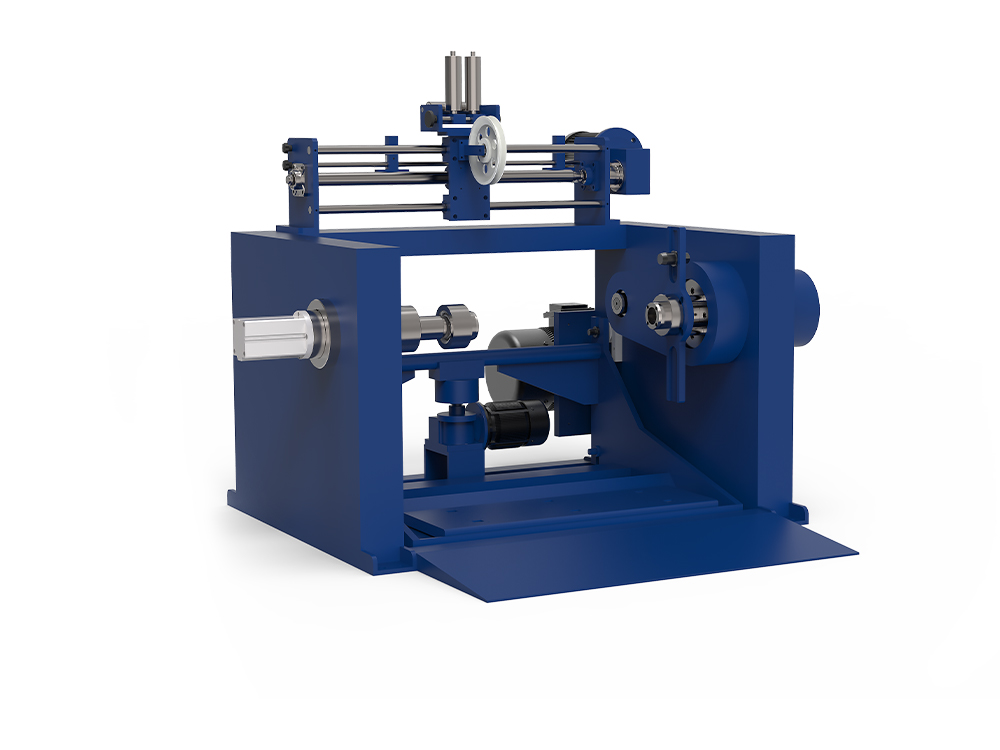
The machine adopts an AC motor closed-loop control system, supporting 10-500N dynamic tension adjustment, suitable for φ500-φ1250mm bobbin specifications, compatible with copper, aluminum, and composi...
See Details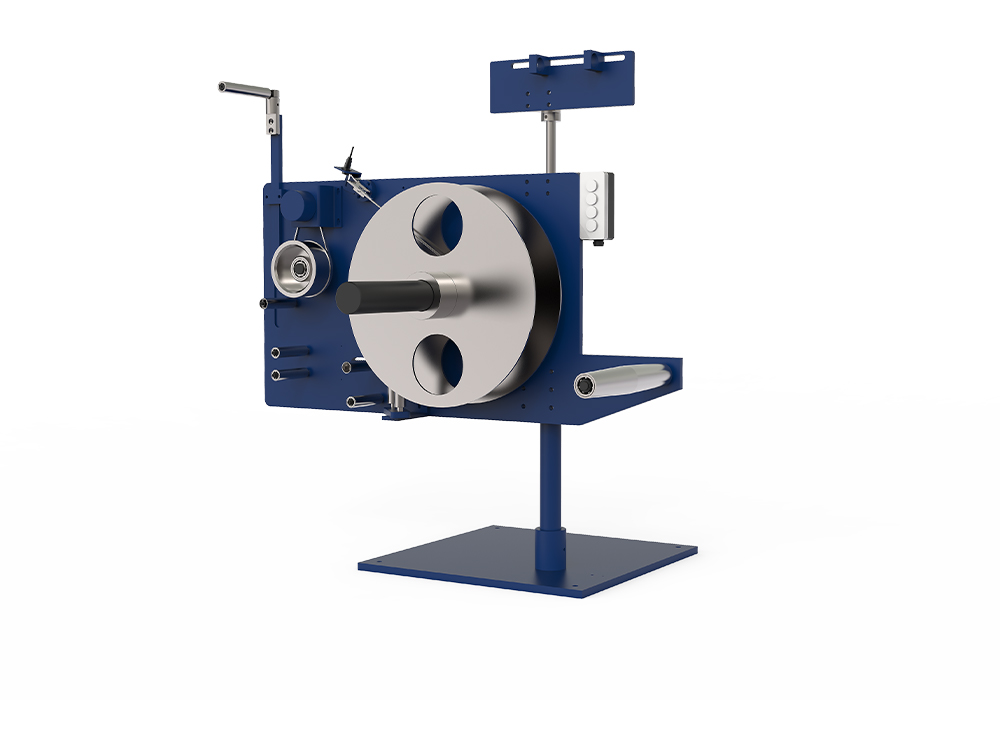
The Tape Pay-off Machine is driven by an AC motor and equipped with a constant-tension control system, offering stepless tension adjustment within the range of 5–50 N. It supports tape rolls with widt...
See Details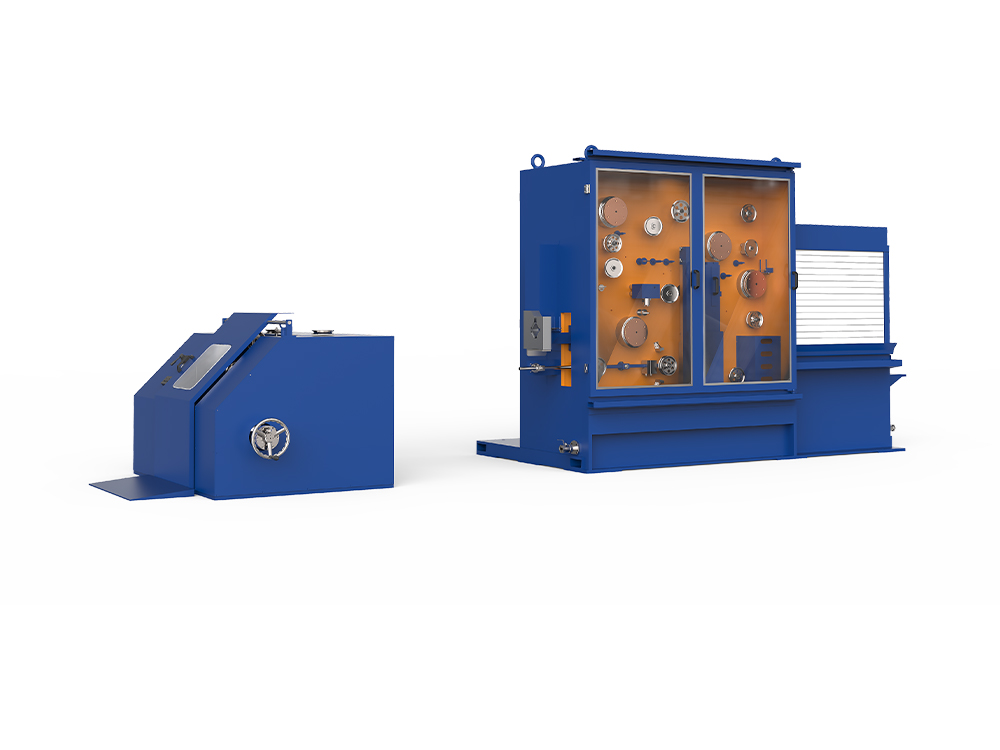
The Silver-Plated Conductor Drawing Annealing Machine is a high-end continuous drawing and annealing system, jointly developed based on the quality characteristics of premium silver-plated conductors ...
See Details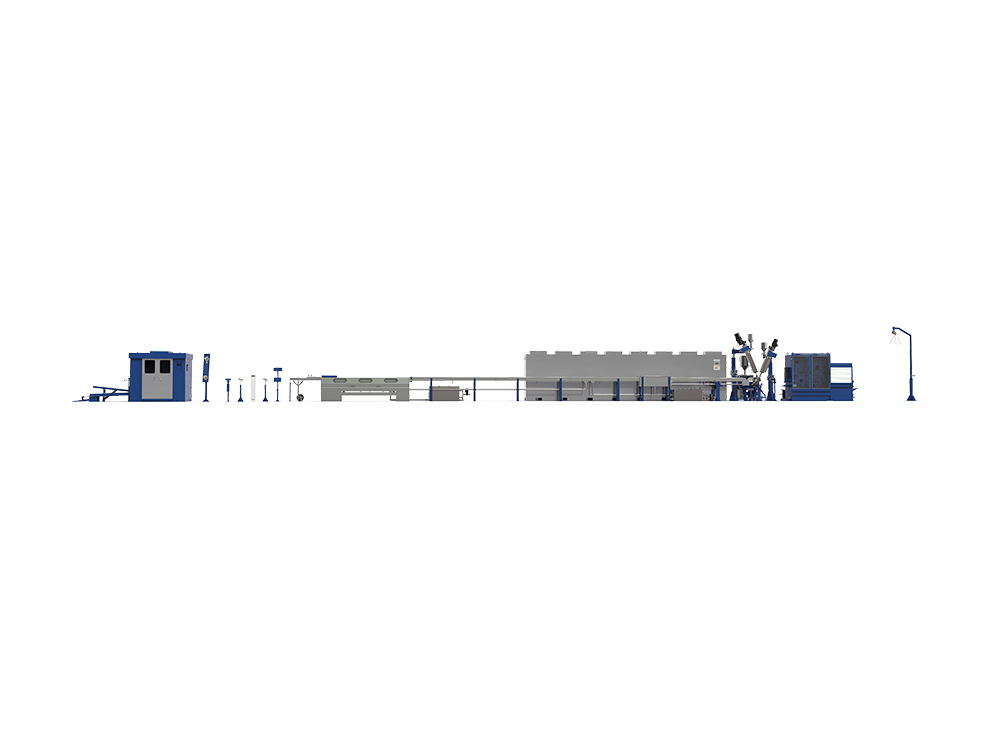
The Physical Foam Insulation Production Line is a high-end manufacturing system tailor-made for LAN cable production. It is suitable for the physical foaming insulation processing of various high-perf...
See DetailsWhat are the main working principles of a Cable Mesh Winding Machine?
Working Principles of a Cable Mesh Winding Machine:
1. Drive and Rotation: A high-efficiency motor (AC induction or DC) directly drives the drum, achieving fast and smooth rotation.
2. Tension and Speed Closed-Loop Control: Through a tension sensor and PLC/PLC-HMI closed-loop adjustment, constant tension and synchronized rotation speed are maintained to prevent wire breakage or over-tightening.
3. Mesh Winding: The metal mesh (or multiple cables) enters a dedicated clamping-guide element under gravity. The element is stacked layer by layer with the help of the winding device, forming a dense and intersecting mesh structure, significantly reducing the risk of tangling and knotting.
4. Layer and Pattern Programming: The CNC/servo system can preset the number of layers and laying patterns (crossing, diagonal, etc.) to achieve precise winding of multiple specifications of LAN cables (Cat5e-Cat8).
What are the key differences between a Cable Mesh Winding Machine and a regular Cable Winding Machine?
| Cable Mesh Winding Machine (mesh‑type winding) | Conventional Cable Winding Machine (traditional winding) | |
| Winding Structure | Uses a mesh‑style cross‑winding; cables pass between multiple guide arms and are stacked in an interlaced grid, greatly reducing tangles and knots. | Single guide arm or fixed track; cables are wound directly onto the drum in successive layers, prone to entanglement. |
| Tension Control | Multiple tension sensors monitor in real time; closed‑loop algorithm keeps tension within ±0.5 % accuracy. | Single‑point tension control; relatively lower precision. |
| Automation Level | Fully automatic: automatic feeding, cutting, loading/unloading, metering, and leakage detection are integrated. | Often semi‑automatic or manual; requires human intervention for loading, metering, or cutting. |
| Capacity & Efficiency | Up to 200 m/min, suitable for 5‑10 mm wire diameters; a single machine can produce over 100,000 m per day. | Speed is limited; overall capacity is lower. |
| Applicable Range | Designed for high‑speed network cables (Cat5e‑Cat8) where packaging quality is critical. | Primarily for general power or low‑speed cables in bulk production. |
| Equipment Structure | Modular mechanical design allows quick replacement of mesh guide units, simplifying maintenance. | More monolithic structure; modifications are difficult. |
How are automatic winding, metering, and leak detection achieved? Technical Solutions for Automated Winding, Metering, and Leak Detection
1. Automated Winding
Multi-axis Drive: The main motor drives the drum to rotate, while the transverse guide motor moves synchronously, achieving uniform layering.
Robot/Pneumatic Arm: Working in conjunction with a PLC, it enables automated wire arrangement, automatic wire cutting, and automatic loading and unloading, truly allowing for "one-person monitoring."
2. High-Precision Metering
Track-type Counter: A track counting device is installed on the side of the drum, using photoelectric or magnetic induction methods, achieving a metering accuracy of ±0.5% (0.5‰).
Length Setting and Automatic Stop: The system can preset a target length; once the target length is reached, winding automatically stops to prevent overwinding.
3. Leakage (Electrical Leakage) Detection
Leakage Spark Detector: High-sensitivity detectors are placed along the winding path to monitor cable insulation leakage in real time. Once an abnormality is detected, the system immediately stops and returns to the leakage point for re-inspection.
Closed-Loop Safety Control: The detection signal is directly fed back to the PLC, triggering an emergency stop and alarm to ensure operational safety.
4. Intelligent Optimization
AI/Big Data Analysis: Collects operational data such as tension, speed, and power, and uses machine learning models to dynamically optimize parameters, further improving finished product quality and reducing scrap rate.
Frequently Asked Questions (FAQ)
Q1:What are the technological advantages of the Cable Mesh Winding Machine?
A:It adopts a fully domestically produced control system, possessing high-speed, precise cable winding and tension control; it has a compact structure and short cable changeover time; it supports dual monitoring by PLC and host computer, achieving flexible automation.
Q2:What is the annual output value and scale of Dachen Machinery?
A:The modern factory covers an area of approximately 10,000 m², and its annual output value has exceeded 50 million RMB.
Q3:What are the core competitive advantages of Dachen Machinery?
A:① A complete independent R&D chain (mechanical-electrical-software)
② A high proportion of senior engineers in the team
③ Rapid delivery and flexible customization capabilities
④ National High-tech Enterprise qualification and ISO quality system certification
Q4:Do Dachen Machinery's machines support automated control?
A:All new equipment adopts PLC/IPC control, equipped with HMI/SCADA interfaces, enabling fully automated production and data acquisition.


Copyright © Zhangjiagang Dachen Machinery Manufacturing Co., Ltd. All rights reserved. Custom Cable Mesh Winding Machine Manufacturers
