 русский
 中文简体
中文简体 Español
 Deutsch
 عربى
عربى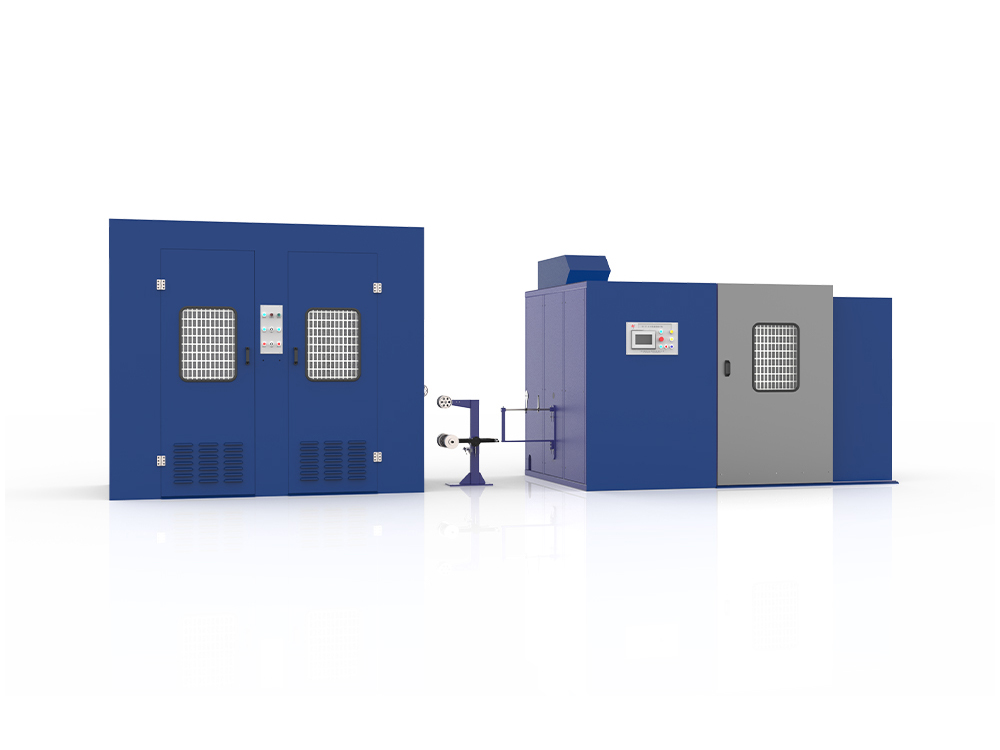
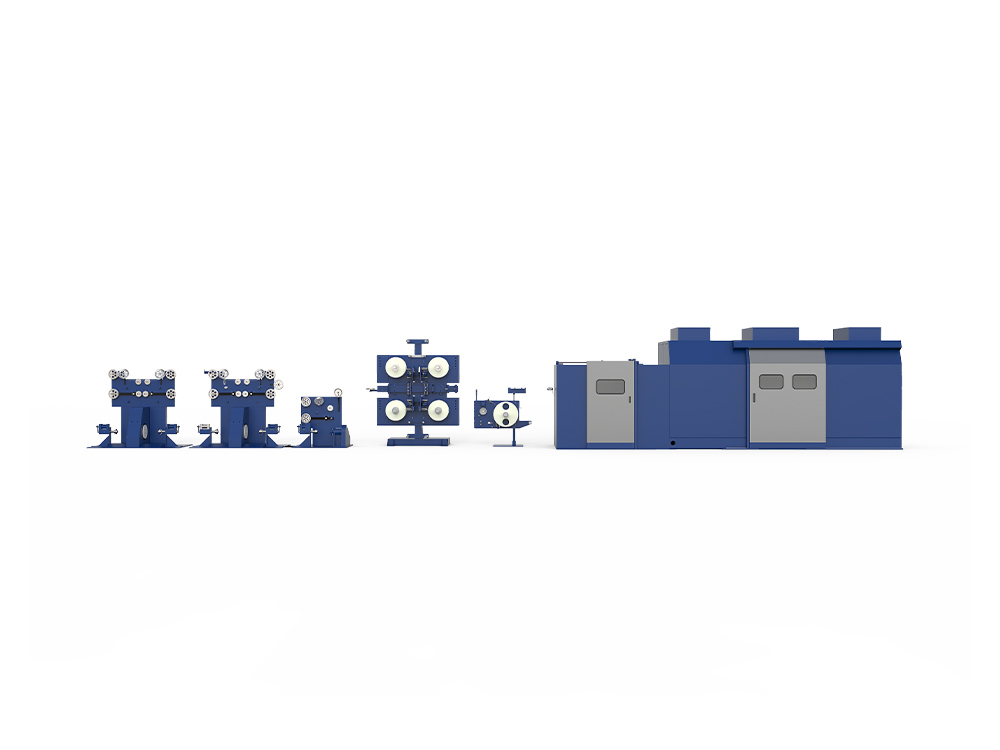
Cable Pay-Off & Take-Up Machine
The machine adopts an AC motor closed-loop control system, supporting 10-500N dy...



The auxiliary equipment for cable production lines covers a full range of production line auxiliary equipment such as pay-off , wrapping machines, online detection devices, and automatic take-up machines.
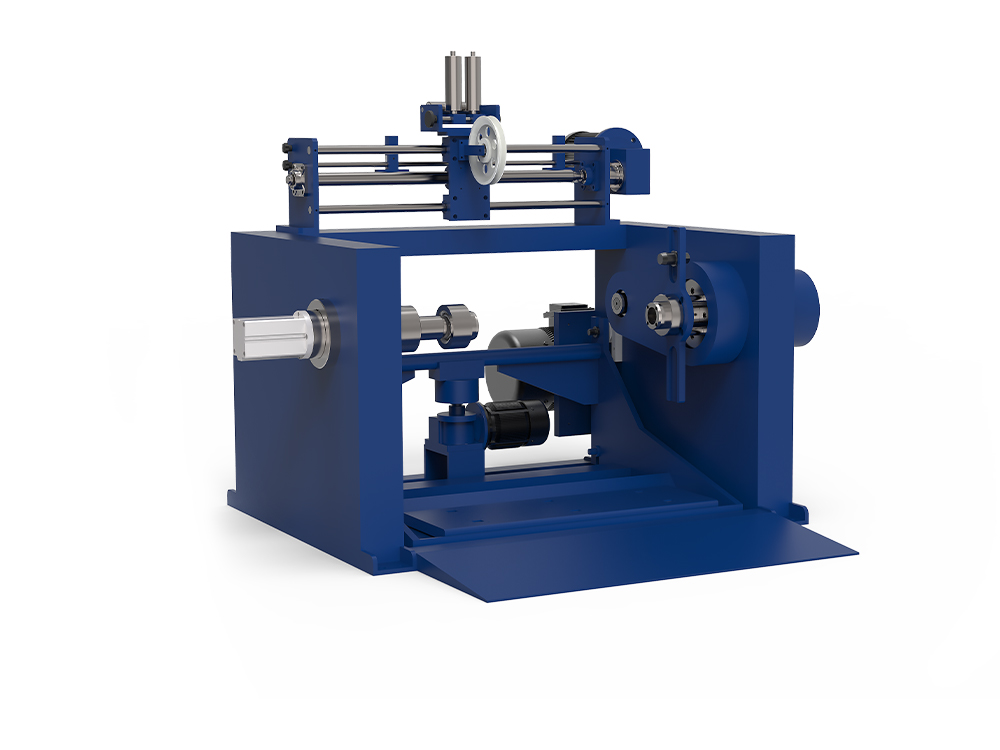
The machine adopts an AC motor closed-loop control system, supporting 10-500N dy...
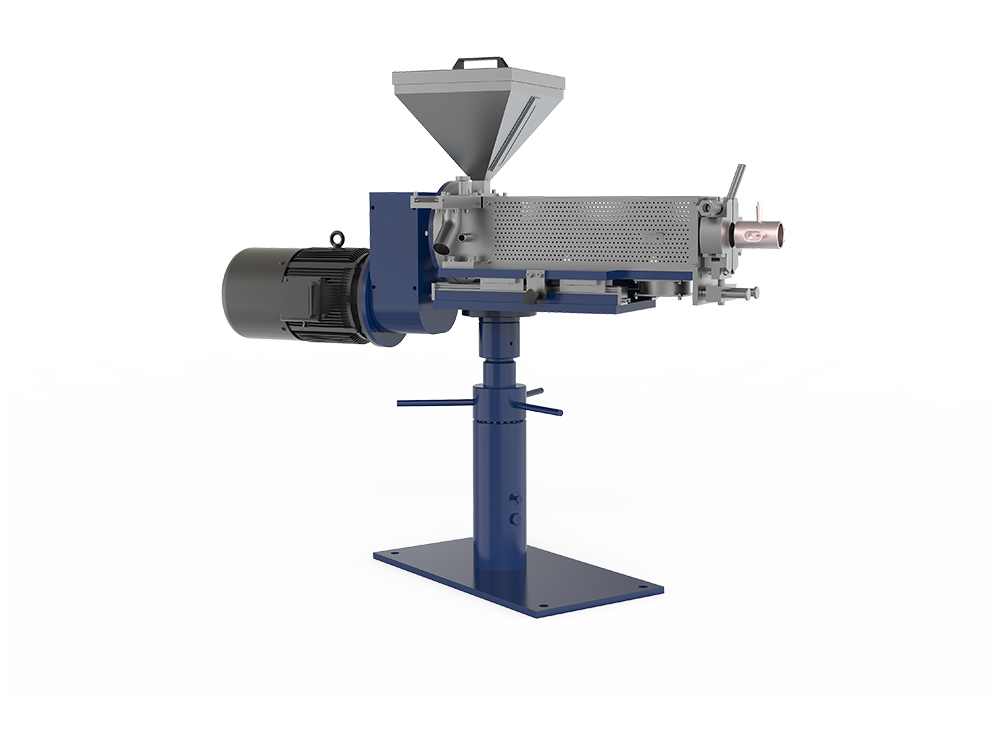
Our strip extruder features a high-torque screw design ranging from Φ25 to Φ60 m...
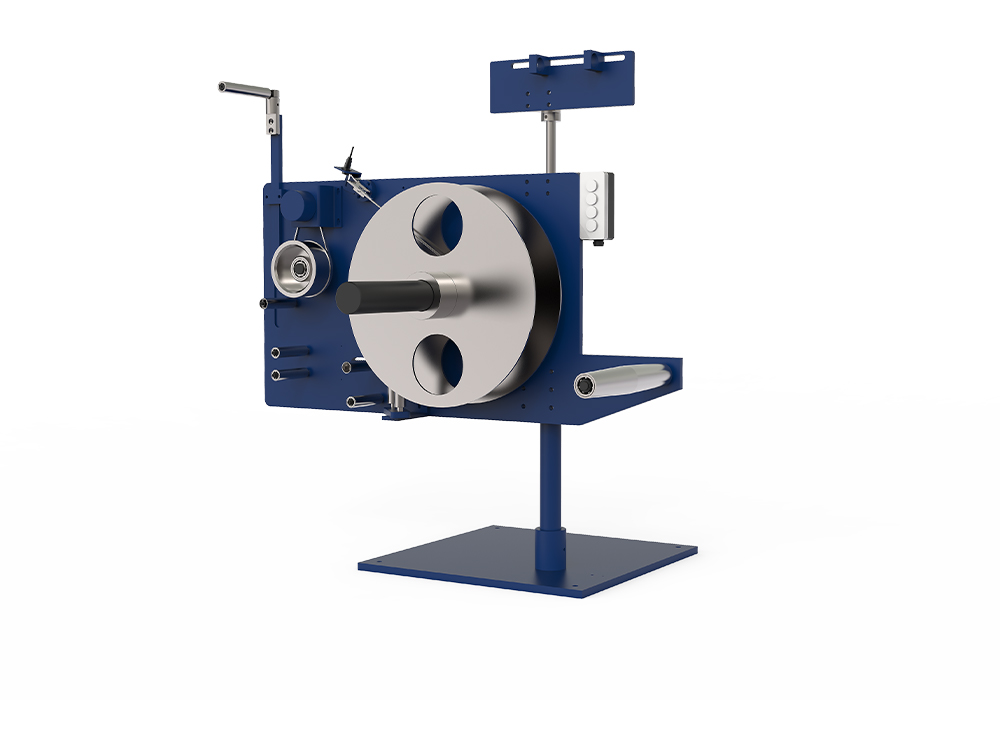
The Tape Pay-off Machine is driven by an AC motor and equipped with a constant-t...
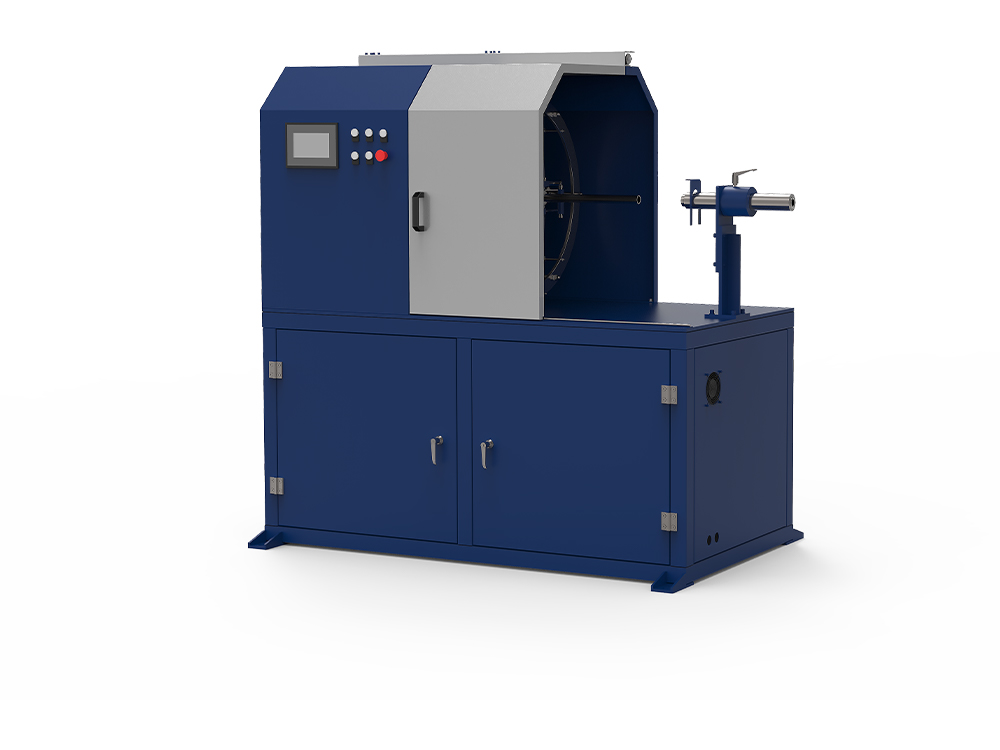
The Center Wrapping Machine adopts an electromagnetic clutch tension control sys...
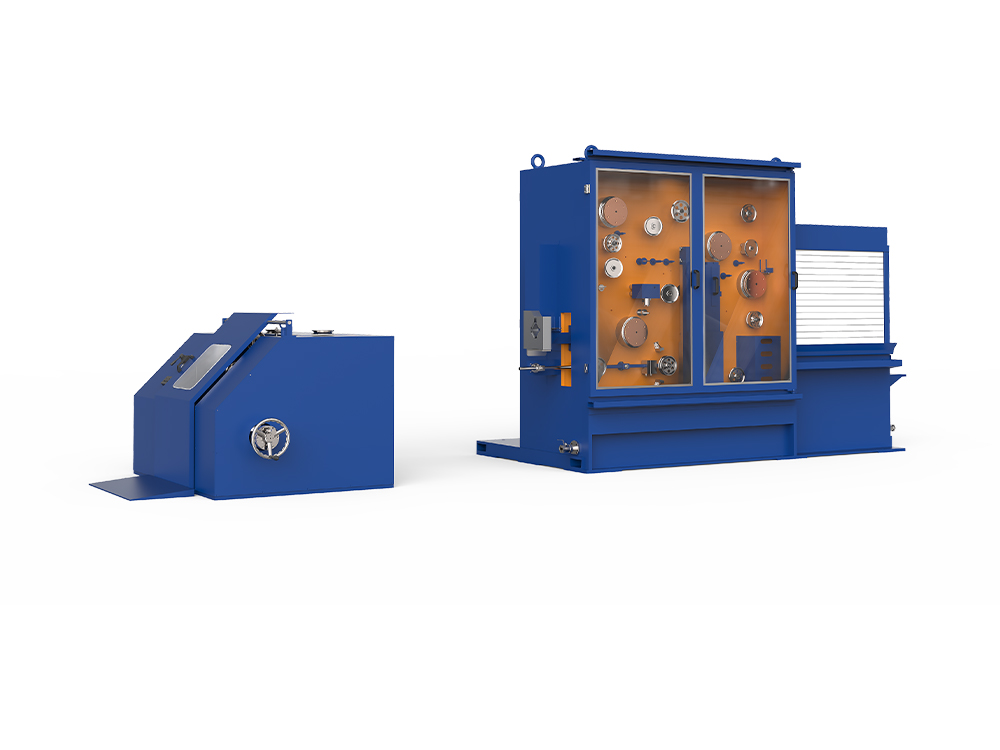
The Silver-Plated Conductor Drawing Annealing Machine is a high-end continuous d...


Direct Answer: The Three Core Types of Networking Cables There are three primary types of cables in networking: twisted pair cable, coaxial cable, an...
READ MOREQuick Answer: What Is Insertion Loss? Insertion loss is the reduction in signal strength that occurs as a signal passes through a cable, connector, o...
READ MOREThe Direct Answer: Penetration Loss Measures How Well a LAN Cable's Shield Blocks Interference Penetration loss is a measurement of how much electrom...
READ MORESetting up a LAN cable production line requires four core stages: copper wire drawing and annealing, insulation extrusion, pair twisting, and jacketi...
READ MOREAn extruder is a machine that forces molten material through a shaped die to continuously form a product with a defined cross-section. In wire and ca...
READ MOREWhat are the common types of cable auxiliary equipment?
Common Types of Cable Auxiliary Equipment
Cable auxiliary equipment refers to specialized machinery used on cable production lines to assist in key processes such as winding, packaging, inspection, and rewinding. It mainly includes:
1. Pay-off Machine: Used to smoothly pull the processed cable from the reel, ensuring uniform tension and preventing cable damage.
2. Wrapping Machine: Uses a rotating arm or turntable structure to wind up the cable and wrap it with plastic film or aluminum foil for moisture protection, dust protection, and easy handling.
3.Online Detection Devices: Monitor cable dimensions, conductivity, insulation resistance, and other parameters in real time during production. Automatically alarms and stops the machine when abnormalities are detected.
4. Automatic Take-up Machine: Works in conjunction with the pay-off machine to automatically wind, measure, and cut the cable, improving the automation level of the production line.
5. Auxiliary Feeding, Traction, and Entanglement Removal Devices:Includes traction wheels, tension control units, and entanglement removal devices to ensure smooth cable operation during transport.
What is the difference between cable auxiliary and ordinary cables?
| Comparison Dimension | Cable Auxiliary Equipment | Ordinary Cable |
| Functional Positioning | Provides auxiliary processing, testing, and packaging for the production line; does not transmit electricity. | Serves as a medium for transmitting electrical power or signals, consisting of conductors, insulation, etc. |
| Structural Form | Composed of mechanical, hydraulic/pneumatic, and electronic control systems, typically featuring metal frames, drive motors, and sensors. | Consists of conductors, insulation layers, and protective sheaths, mainly made of copper, aluminum, PVC, etc. |
| Application Scenario | Used in industrial workshops such as production, packaging, and testing stations; classified as industrial equipment. | Used in end‑user installations, power distribution, communication networks; classified as product itself. |
| Maintenance Requirements | Requires regular mechanical inspection, lubrication, sensor calibration, and software updates; involves safety protections (explosion‑proof, dust‑proof). | Primarily focuses on visual inspection, insulation aging, and mechanical damage, with relatively simple maintenance. |
How to conduct regular inspection and maintenance of cable auxiliary equipment?
1. Inspection Types
Initial Inspection: A comprehensive inspection before equipment commissioning to confirm that installation, wiring, and labeling comply with technical documents.
Regular Inspection (cycle can be set at 3-6 months depending on usage intensity) – Includes three levels: visual inspection, general inspection, and detailed inspection.
Continuous Monitoring: Professional technicians conduct daily monitoring of key components (such as tension wheels, sensors, and drive motors) to promptly detect abnormalities.
2. Inspection Levels and Methods
Visual Inspection: Visually inspect bolts, belts, and casing for obvious looseness or damage.
General Inspection: Based on visual inspection, use manual tools to measure key parameters such as tension, speed, and hydraulic pressure.
Detailed Inspection: Open the equipment casing and use instruments such as multimeters and oscilloscopes to diagnose the electrical circuits and PLC program.
3. Key Maintenance Points
Professional Personnel:Maintenance must be performed by qualified technicians with explosion-proof and electromechanical repair certifications to ensure compliance with the "Explosion-proof Safety Operating Procedures."
Records and Traceability:A "Maintenance Log" must be completed for each inspection, repair, and parts replacement to facilitate subsequent auditing and lifespan assessment.
Preventative Maintenance:Regularly change lubricating oil, calibrate tension sensors, and update control software versions to reduce the probability of sudden failures.
Frequently Asked Questions (FAQ)
Q1: Can your company provide customized cable production lines?
A:Yes. Our company has a professional mechanical and electrical control team that can provide personalized design and customization according to customer needs.
Q2: What are the technological advantages of DaChen Machinery?
A:Highly intelligent control systems, precise processes, energy-saving operation, short delivery cycles, and rapid-response after-sales service.
Q3:What industries does your company primarily serve?
A:Primarily focusing on the R&D, production, and sales of data cables, plastic machinery, and specialized customized equipment.
Q4:Do you provide complete production line delivery?
A:Yes, we can provide complete solutions from mechanical structure to electrical systems, achieving rapid delivery.


Copyright © Zhangjiagang Dachen Machinery Manufacturing Co., Ltd. All rights reserved. Wholesale Cable Auxiliary Equipment Supplier
