русский
 中文简体
中文简体 Español
 Deutsch
 عربى
عربىContent
- 1 What is an Industrial Cable Production Line?
- 2 What are the main stages of an Industrial Cable Production Line?
- 3 How to improve the automation level of an Industrial Cable Production Line and reduce manual intervention?
- 4 What are the safety protection measures for an Industrial Cable Production Line?
Concept and Characteristics of Industrial Cable
1. Definition: Industrial cables are specialized wires used in various industrial scenarios such as power, control, and signaling, possessing high voltage resistance, temperature resistance, and interference resistance.
2. Classification: Common types include power cables, control cables, shielded cables, high-temperature resistant cables, and industrial Ethernet cables, each meeting different voltage levels and environmental requirements.
3. Application Scenarios: Widely used in power plants, factory automation, robotics, mining, and shipbuilding, where high load or high reliability requirements are demanded.
4. Technical Requirements: Must meet national or industry standards for insulation resistance, flame retardancy, and electromagnetic interference resistance testing to ensure long-term safe operation.
What is an Industrial Cable Production Line?
Essence of an Industrial Cable Production Line
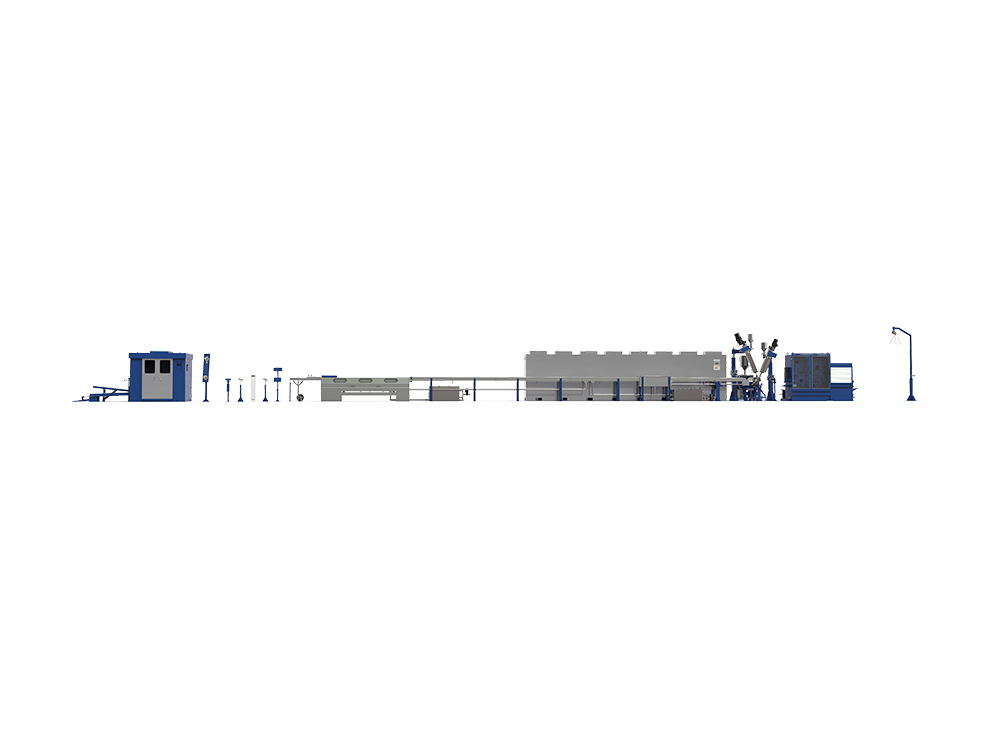
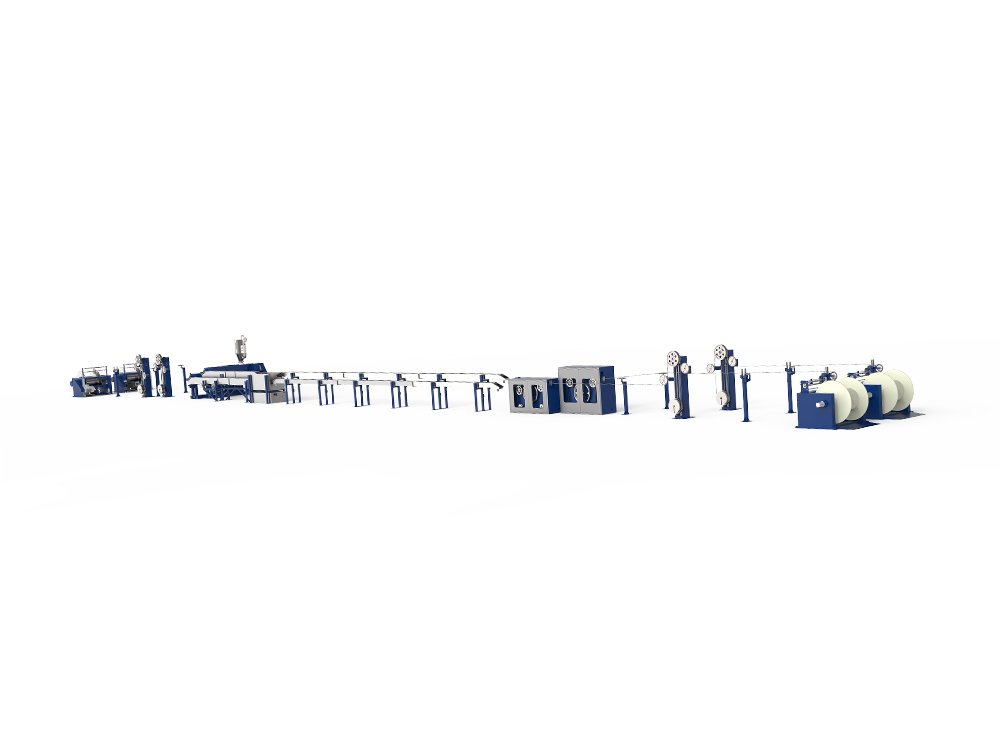
1. Overall Concept: A fully automated cable production line covering every key process from raw material input to finished product packaging, achieving "one-stop" production.
2. Core Advantages: Through modular design and flexible layout, it can be quickly adjusted according to capacity, specifications, and materials to meet the needs of multi-variety small-batch or large-batch production.
3. Key Technologies: Utilizing specialized equipment for high-precision extrusion, traction, winding, automatic cutting, stripping, and crimping, strict control over dimensions and insulation thickness is achieved.
4. Industry Value: In the context of Industry 4.0, the cable production line is a crucial link in realizing intelligent manufacturing and improving supply chain responsiveness.
What are the main stages of an Industrial Cable Production Line?
Main Stages of an Industrial Cable Production Line
| Stage | Key Equipment / Process | Function Highlights |
| 1. Raw material preprocessing | Material silo, weighing system | Precise proportioning of PVC, PE, TPEE, PP, FEP and other insulation materials to ensure consistent formulation. |
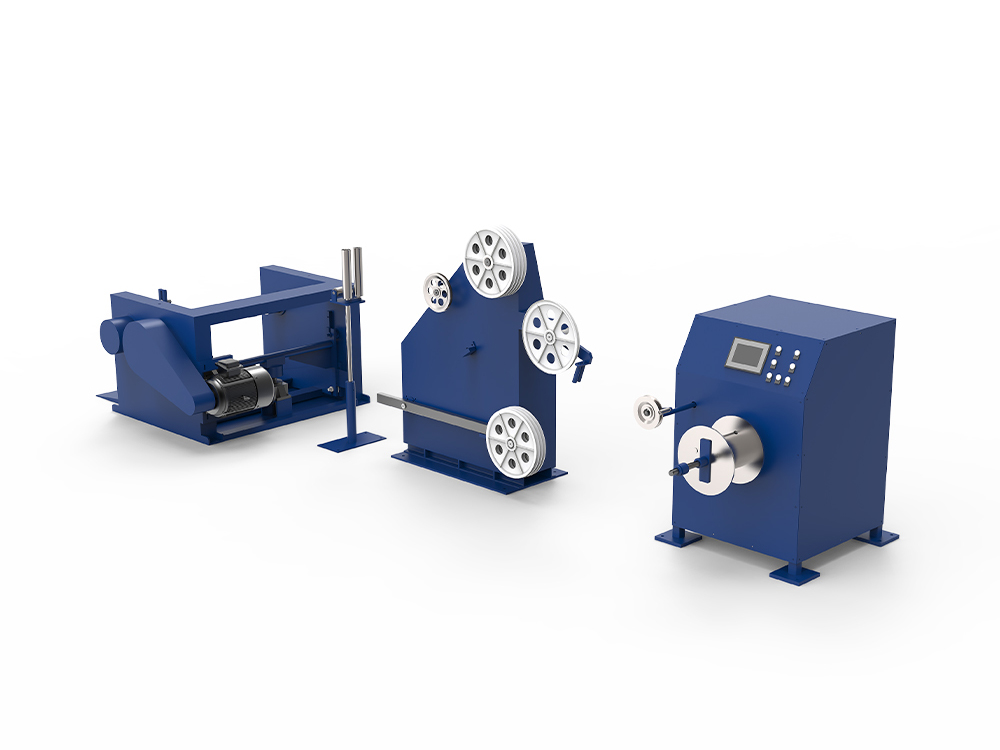
| 2. Pulling and extrusion | Puller, extrusion machine (90 mm / 150 mm / 65 mm) | Uniformly press molten plastic onto conductors, forming a multi‑layer co‑extruded structure. |
| 3. Cooling and solidification | Cooling tubes, air‑/water‑cooling system | Rapid temperature drop to solidify the cable, prevent internal stress, and improve mechanical strength. |
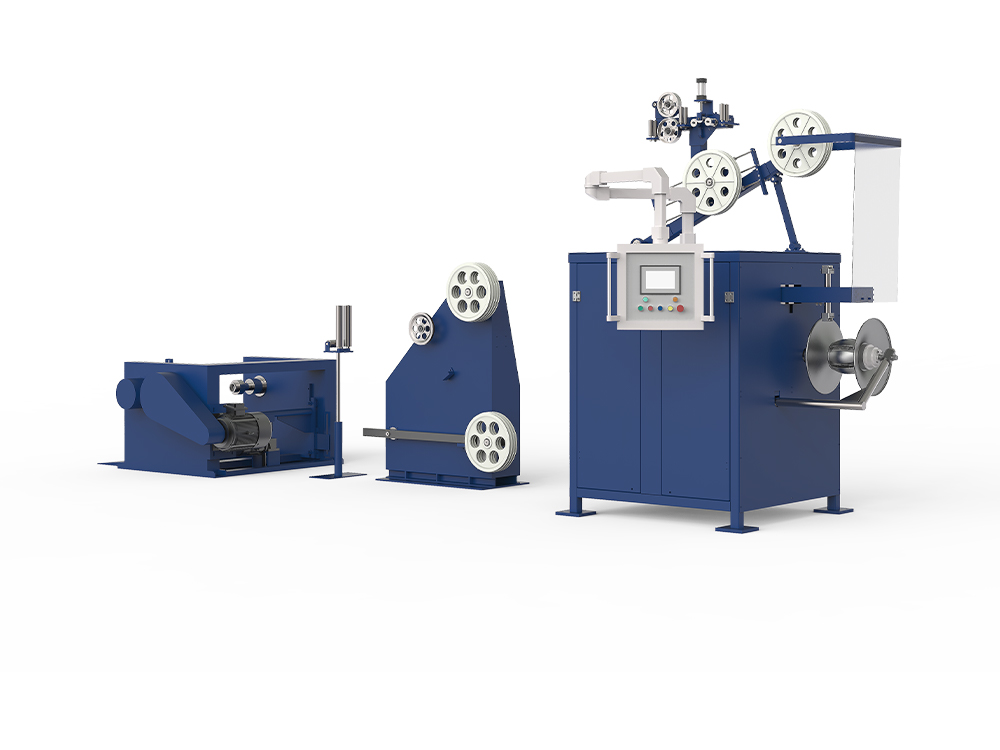
| 4. Winding and cutting | Reeling rack, automatic cutting machine | Collect cable to a preset length or weight, achieving fixed‑length packaging or coil winding. |
| 5. Post‑processing | Stripping, crimping, heat‑shrink tubing | Provide reliable termination of cable ends, meeting on‑site assembly requirements. |
| 6. Inspection and packaging | Online inspection system, packaging line | Perform resistance, dielectric, and visual inspections; automatically package qualified products and sort out rejects. |
Raw Material Preparation and Wire Drawing & Annealing
1. Raw Material Inspection and Proportioning: Quality inspection is performed on copper rods, aluminum rods, and insulation materials (PVC, PE, TPEE, PP, FEP, etc.) to ensure that the conductors and insulation materials meet technical specifications.
2. Wire Drawing (Monofilament Drawing): Metal rods are drawn into fine filaments using a multi-pass drawing machine. Diameters can reach 0.4mm–2.0mm to meet the requirements of different cable specifications.
3. Annealing Treatment: After drawing, low-temperature annealing is performed to eliminate internal stress, improve conductor ductility, and provide uniform physical properties for subsequent stranding.
Stranding & Conductor Forming
1. Conductor Stranding: Multiple fine filaments are twisted together in a stranding machine at a preset twist rate to form single or multiple conductors. Common stranding methods include single-strand, double-strand, and triple-strand strands.
2. Traction and Pre-stretching: The stranded conductor is transported to subsequent processes using a traction device, maintaining tension and positional accuracy to ensure the continuity of the extrusion process.
3. Water-blocking Conductor Stranding + Semi-conductive Tape Wrapping (for waterproof cables): A water-blocking conductor stranded layer is wrapped around the conductor, and a semi-conductive tape is added to improve the cable's moisture resistance and shielding performance.
Insulation Extrusion:
1. Material Selection and Formulation: Common insulation materials such as PVC, PE, TPEE, PP, and FEP can be precisely extruded to meet the temperature resistance, oil resistance, and flame retardancy requirements of different cables.
2. Extrusion Process: Single-layer or multi-layer co-extrusion technology is used to uniformly cover the conductor surface with molten insulation material, forming an insulation layer of uniform thickness.
3. Cooling and Curing: After extrusion, water cooling or air cooling is used to quickly cure the insulation layer, preventing internal air bubbles and improving electrical strength. Shielding & Sheathing
1. Metallic Shielding: Adding copper foil, aluminum foil, or metal braided layers outside the insulation layer to achieve electromagnetic interference (EMI) shielding, commonly used in industrial control cables.
2. Plastic Sheath Extrusion: Using a high-pressure extruder to cover the shielding layer with sheath materials such as polyvinyl chloride (PVC) or polyethylene (PE) to form an outer protective layer.
3. Multilayer Co-extrusion: Completing the insulation, shielding, and sheath structure in one step using three-layer co-extrusion technology, improving production efficiency and reducing energy consumption.
Armoring & Outer Cover
1. Armoring (Steel Tape or Wire): Adding a steel tape or wire braided layer outside the sheath to improve the cable's mechanical strength and tensile properties, suitable for submarine cables or high-voltage cables.
2. Anti-corrosion Layer: Using an anti-corrosion coating or waterproof tape for secondary wrapping to prevent external media from corroding the metal conductor.
3. Outer Sheath (Outer Coat): The outermost layer uses weather-resistant PVC or polypropylene material, providing overall protection and color identification.
Finished Product Testing & Packaging
1. Partial Discharge and Withstand Voltage Tests: Partial discharge and withstand voltage tests are performed on the sheathed cables to ensure insulation performance meets international standards.
2. Finished Product Inspection: This includes multiple tests such as dimensions, appearance, conductivity, and shielding effectiveness. Only cables that pass the tests can proceed to the packaging stage.
3. Fixed-Length Packaging: An automated cutting, winding, and labeling system is used for fixed-length packaging, facilitating subsequent logistics and on-site use.
4. Warehousing and Shipping: After packaging, barcode registration is performed, and the cable enters the warehousing system for shipment according to orders.
Modular Design & Customization
1. Modular Structure: The production line adopts a modular design, allowing each process's equipment to be used independently or in combination, enabling flexible expansion.
2. Customization: Customers can freely select modules such as stranding machines, extruders, and sheathing machines according to their production capacity, wire diameter, and process requirements to achieve personalized production line solutions.
3. Intelligent Control System: The entire process adopts PLC/SCADA automated control, realizing real-time monitoring and data acquisition of process parameters, improving production stability and quality traceability.
How to improve the automation level of an Industrial Cable Production Line and reduce manual intervention?
Pathways to Improve the Automation Level of an Industrial Cable Production Line
1. Introducing AI and Machine Vision: Utilizing deep learning models for real-time defect detection during extrusion and winding processes significantly improves defect identification accuracy and reduces manual inspection costs.
2. Digital Twin and Predictive Maintenance: Constructing a digital twin model of the production line to monitor key parameters such as equipment temperature and vibration in real time, providing early warnings of faults and avoiding unexpected downtime.
3. Flexible Modular Transformation: Employing standardized modules (such as quickly replaceable extrusion heads and programmable winding units) enables rapid switching between different cable specifications, improving production line flexibility and responsiveness.
4. Automated Logistics and AGVs: Deploy Automated Guided Vehicles (AGVs) between raw material storage and finished product outbound operations to achieve unmanned handling and shorten logistics cycles.
5. MES and ERP Integration: Deeply integrate the Manufacturing Execution System (MES) with Enterprise Resource Planning (ERP) to achieve order-driven production planning, real-time capacity scheduling, and inventory optimization.
What are the safety protection measures for an Industrial Cable Production Line?
Safety Protection Measures for an Industrial Cable Production Line:
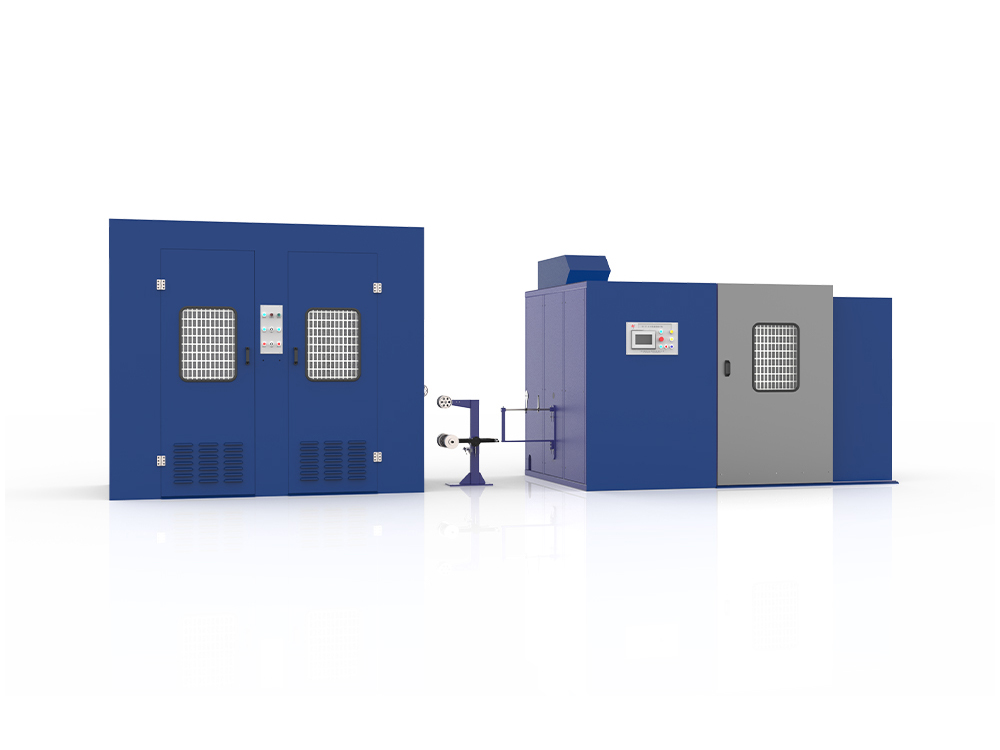
1. Machine Body Safety
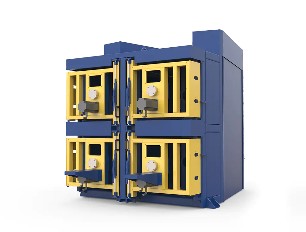
Door Interlock and Emergency Stop: Power is only supplied after the safety door is closed, allowing for instantaneous power cut-off in emergencies.
Protective Covers and Guardrails: Protective covers are installed on critical moving parts to prevent personnel from accidentally entering hazardous areas.
2. Electrical Safety
Insulation and Grounding: All electrical components must comply with IEC/GB insulation resistance and grounding standards to prevent leakage.
Waterproof and Dustproof Design: Cable entry points and control cabinets use waterproof seals to withstand humid or dusty environments.
3. Work Environment Safety
Fire and Explosion Prevention: Use flame-retardant materials and install automatic fire extinguishing systems to meet the requirements of high-temperature or flammable environments.
Safety Warnings and Signs: Install color-coded signs and warning lights in key locations to remind operators to maintain safe distances.
4. Personnel Training and Systems
Regular Safety Inspections: Conduct pre-use sampling inspections and regular safety inspections according to industry standards. Immediately shut down and rectify any non-compliance.
Operating Procedures and Drills: Develop detailed operating manuals and regularly organize emergency drills to improve employee safety awareness.