

Quick Answer: The Core Difference Between Single Mode and Multimode Fiber The main difference comes down to core size and how light travels through it. Single mode fiber uses a core roughly 9 microns wide, sending a single, tightly focused laser beam straight down the fiber, wh...
READ MOREDirect Answer: The Three Core Types of Networking Cables There are three primary types of cables in networking: twisted pair cable, coaxial cable, and fiber optic cable. Twisted pair cable (Cat5e through Cat8) dominates local area network installations because it balances cost, ...
READ MOREQuick Answer: What Is Insertion Loss? Insertion loss is the reduction in signal strength that occurs as a signal passes through a cable, connector, or other component in a transmission path, measured in decibels (dB). In LAN cable terms, it describes how much weaker the signal i...
READ MORE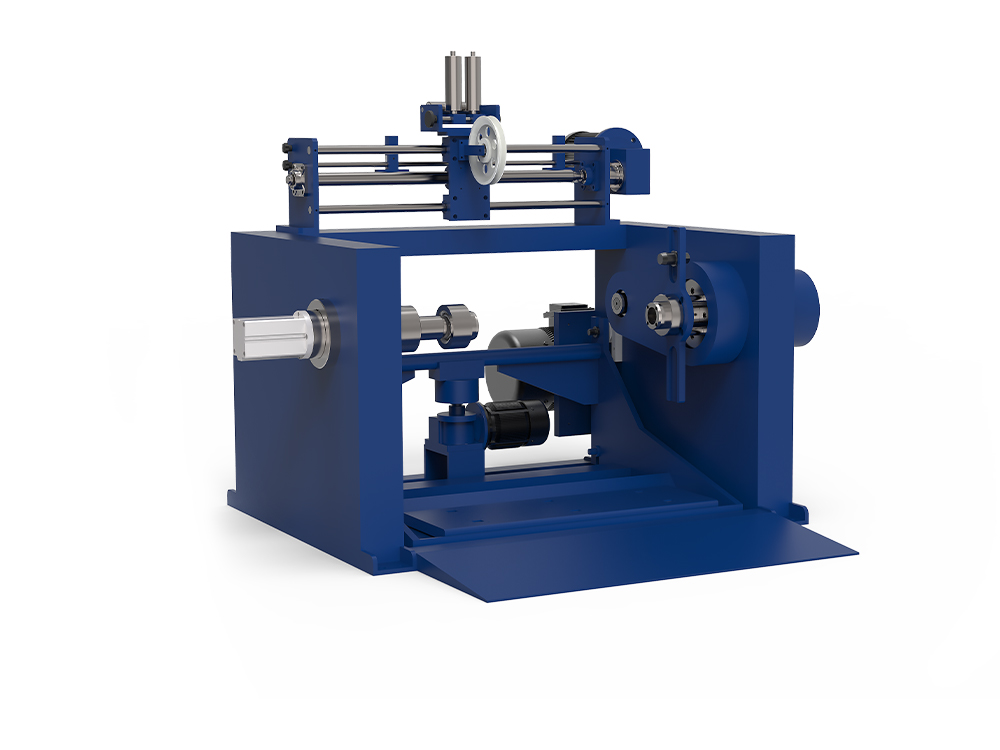
The machine adopts an AC motor closed-loop control system, supporting 10-500N dynamic tension adjustment, suitable for φ500-φ1250mm bobbin specifications, compatible with copper, aluminum, and composi...
See Details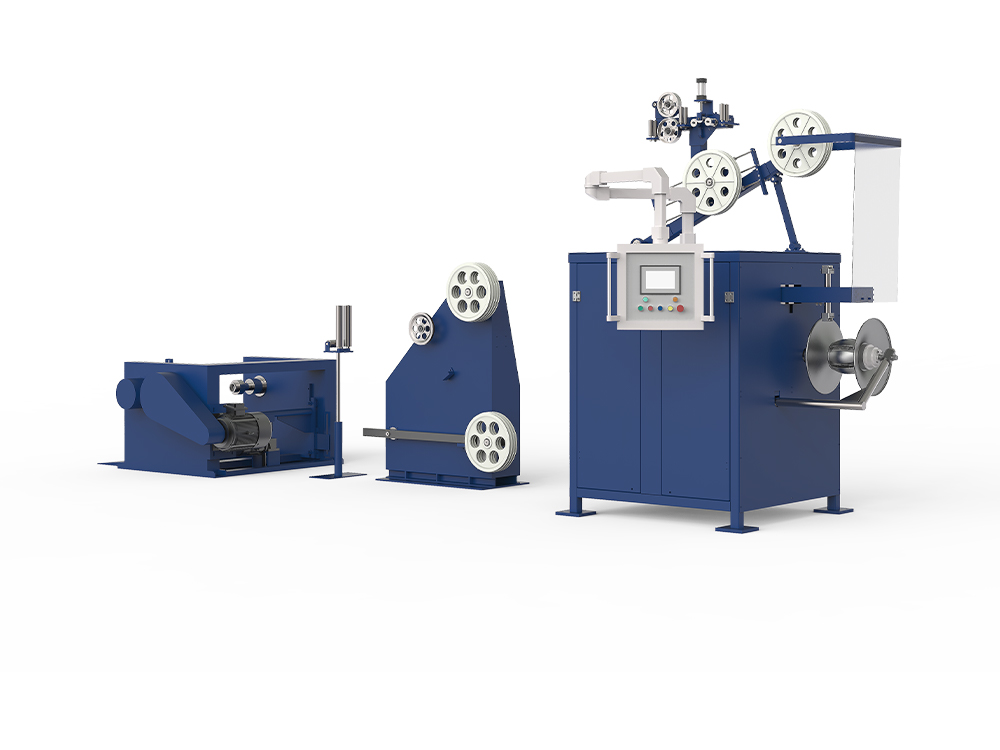
The Mesh Winding Machine is a key piece of equipment for ensuring efficient and high-quality cable coiling. Its performance directly affects the packaging quality, storage, and transportation convenie...
See Details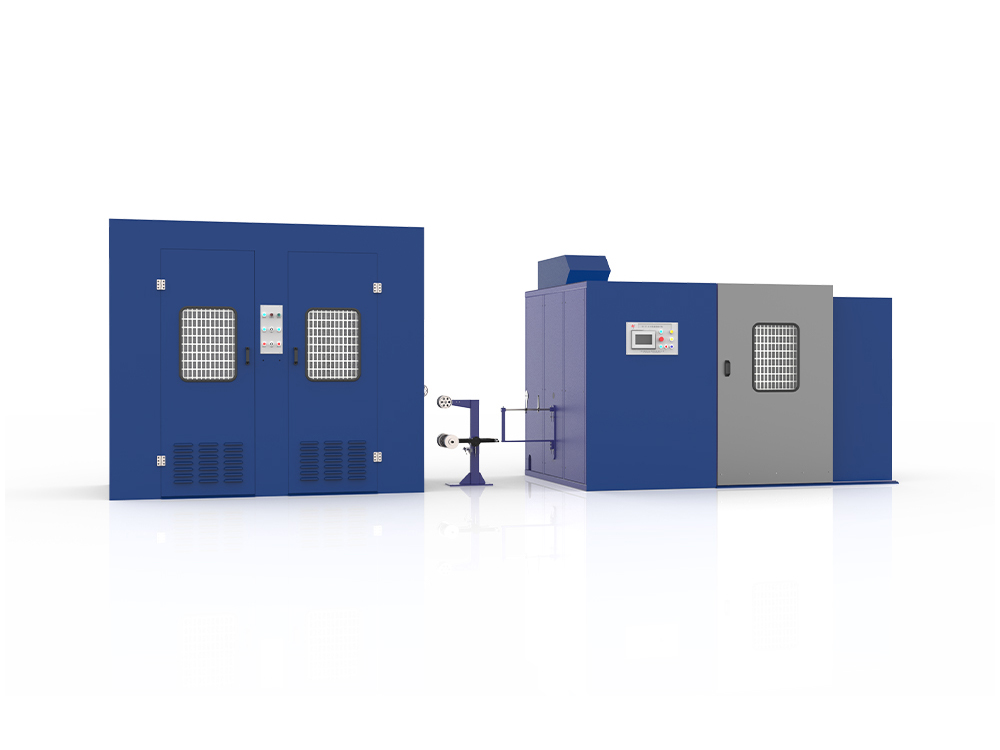
The Pair Twisting Machine with Backtwist is a key piece of equipment specially designed for LAN cable production. It is primarily used to twist two insulated core wires according to specific requireme...
See Details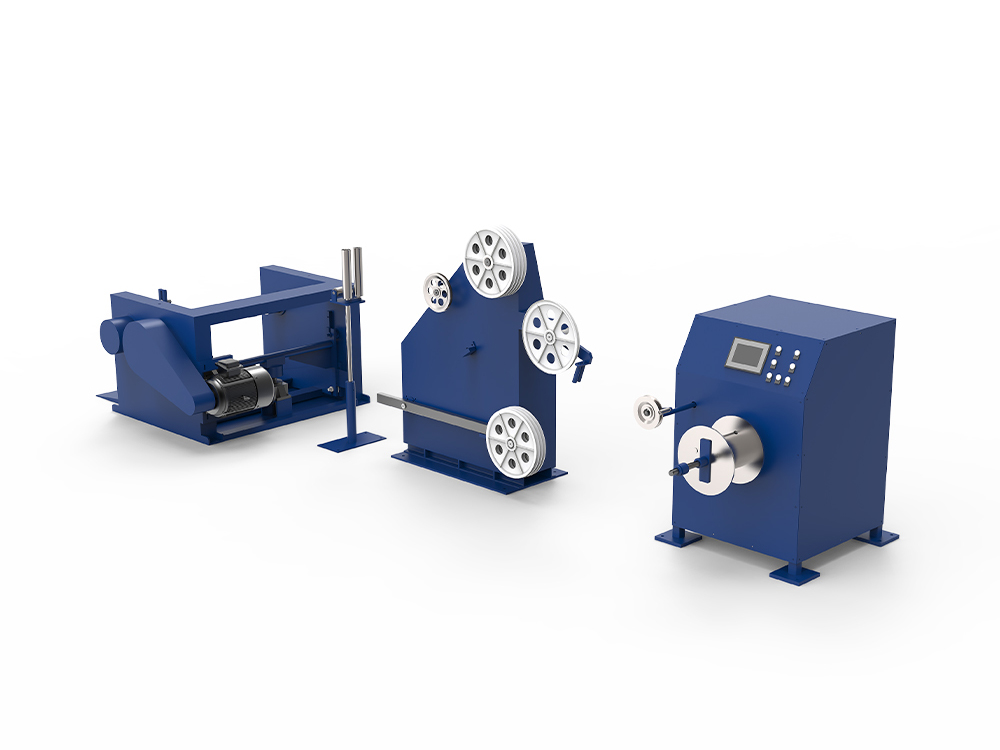
The Rewinding Machine is suitable for the rewinding of various types of cables, including power cables, communication cables, and control cables. It can handle different cable specifications and mater...
See Details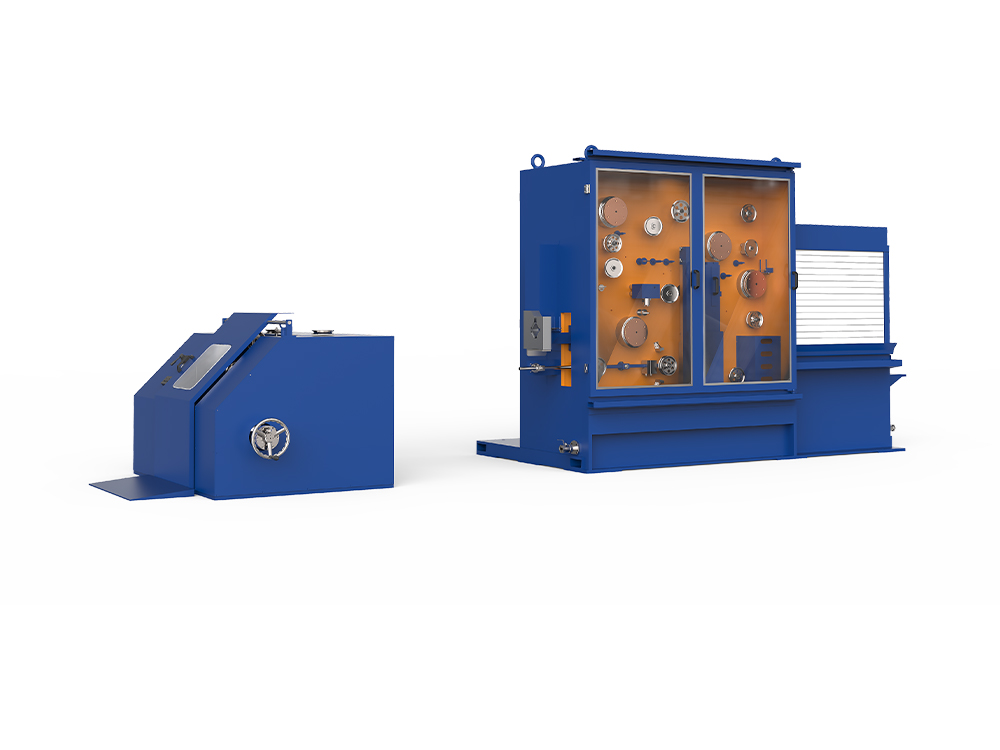
The Silver-Plated Conductor Drawing Annealing Machine is a high-end continuous drawing and annealing system, jointly developed based on the quality characteristics of premium silver-plated conductors ...
See Details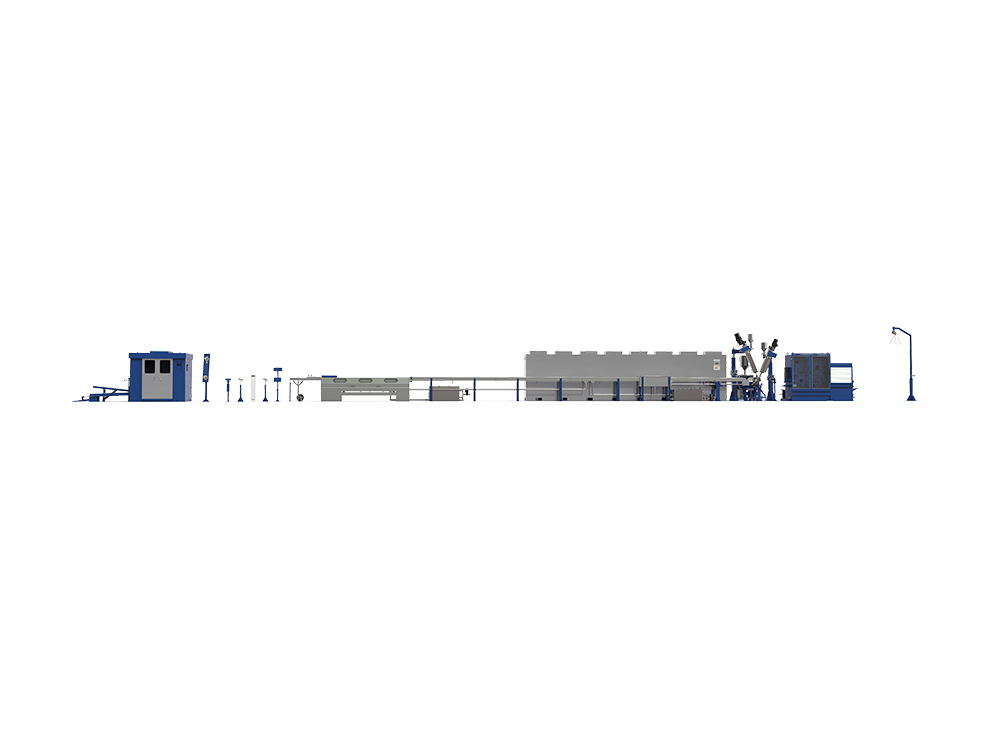
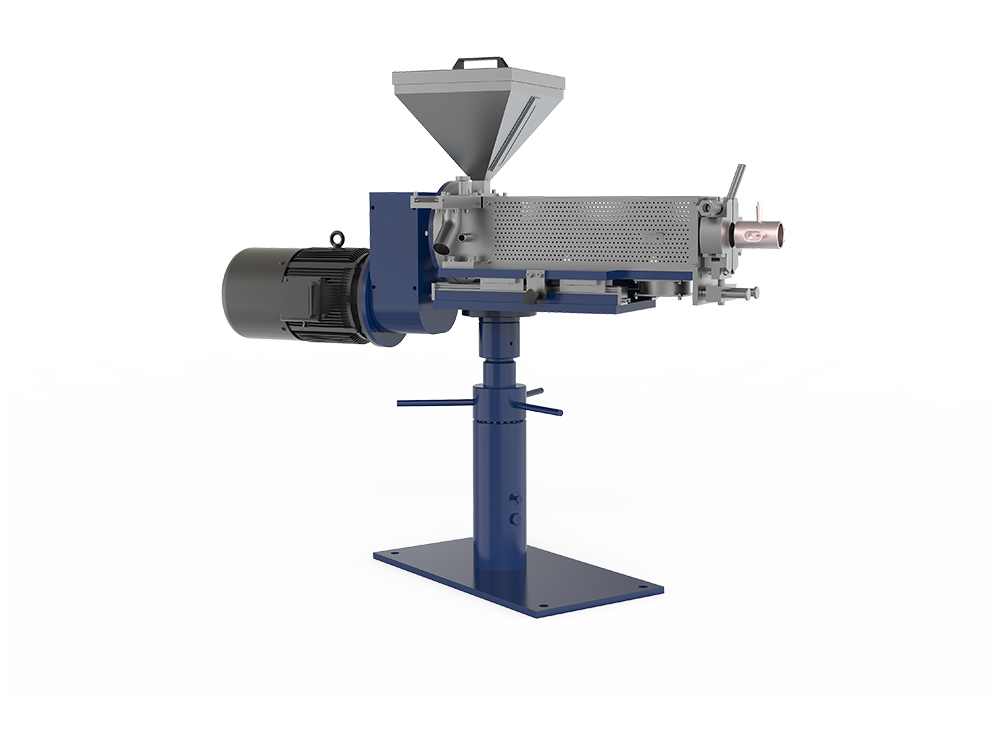
The Physical Foam Insulation Production Line is a high-end manufacturing system tailor-made for LAN cable production. It is suitable for the physical foaming insulation processing of various high-perf...
See DetailsWhat is the working principle of the CableTapePay-OffMachine?
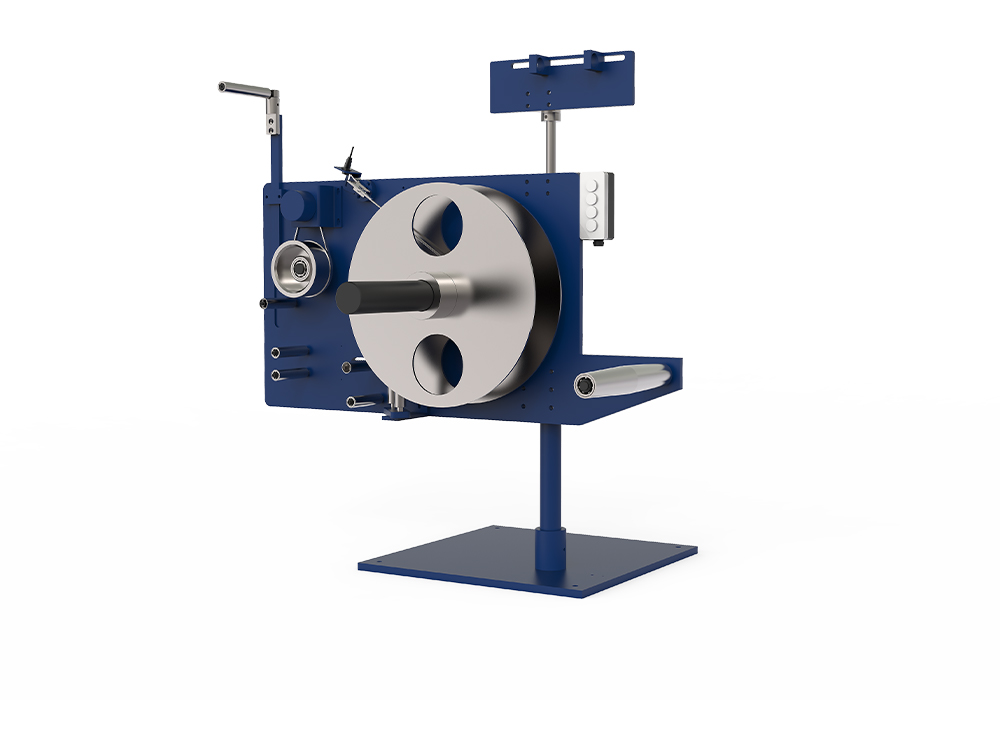
Working Principle Overview
1. Constant Tension Drive System: The machine uses an AC motor drive with frequency converter speed regulation to achieve stepless tension adjustment within the range of 5-50N. The constant tension control unit monitors the reel speed and tension in real time and automatically compensates to ensure that the tape maintains the set tension at all times.
2. Reel and Guide Rail Connection: Utilizing a dual-wheel tension unit and adjustable guide rails, the reel diameter can reach 500mm, adapting to tape widths of 10-200mm. When the reel rotates, the guide wheels synchronously support the tape, preventing deviation or slippage.
3. Intelligent Alarm and Synchronization Function: It features a broken wire/tape depletion alarm, immediately stopping the machine for protection upon detecting an abnormality. Through an external signal interface, it can achieve precise synchronization with main equipment such as wire strippers and extruders, achieving continuous and stable tape feeding.
| Key Element | Description |
| Constant‑tension drive system | Uses an AC motor with variable‑frequency speed control to achieve seamless tension adjustment within 5 – 50 N; closed‑loop control keeps tension constant |
| Reel and guide rail coordination | Dual‑roller tension unit and adjustable guide rails synchronously support the reel, accommodating tape widths 10 – 200 mm and outer diameters up to 500 mm, preventing drift or slip |
| Intelligent alarm & synchronization | Equipped with breakage/tape‑out alarms that stop the machine immediately on abnormal detection; external signal interface enables precise synchronization with stranding machines, extruders, etc. |
| Variable‑frequency speed & tension amplification | A universal VFD provides tension amplification and fine‑tuning, suitable for various materials such as aluminum foil, paper tape, and polyester tape |
What are the advantages of using the CableTapePay-OffMachine compared to manual wire feeding?
Advantages compared to manual tape feeding:
1. Higher tension accuracy: Manual tape feeding relies on experience for adjustment, resulting in large tension fluctuations; the machine's constant tension system allows for fine adjustments of ±0.5N, significantly improving coating quality.
2. Efficiency and noise reduction: Automated tape feeding can reach speeds of up to 4m/s and uses low-noise motors, with operating noise below 65dB, far lower than the noise and labor costs of manual operation.
3. Safety and reliability: Automatic stop upon tape breakage prevents tape tearing, reducing equipment damage and personnel injury risks; manual tape feeding lacks real-time monitoring and is prone to accidents.
4. Synchronous coordination: The machine can be started/stopped synchronously with the main equipment via PLC/Modbus, ensuring seamless connection between tape feeding, shielding, and insulation coating processes, improving the overall automation level of the production line.
| Advantage Dimension | Specific Performance |
| Tension accuracy | Constant‑tension system delivers ±0.5 N fine‑tuning, markedly improving wrapping quality |
| Production efficiency | Automated feeding speed can reach up to 150 m/min, far exceeding manual operation |
| Safety & reliability | Automatic stop on breakage or tension anomaly reduces equipment damage and operator injury risk |
| Synchronous coordination | Can be linked via PLC/Modbus to main equipment for simultaneous start/stop, achieving full‑line automation |
How to select a machine to match different cable specifications?
1. Tape Width and Outer Diameter Matching: Select the appropriate reel outer diameter (maximum 500mm) and tape width (10-200mm) based on the cable's outer diameter to ensure the reel can fully accommodate the entire roll of tape.
2. Tension Range and Material Characteristics: For different materials such as aluminum foil and polyester tape, refer to their optimal tension range; select a model with adjustable tension of 5-50N to prevent tape tearing or loose wrapping.
3. Drive Power and Speed Requirements: High-speed production lines require a motor of 750W or higher, coupled with frequency converter speed control to achieve a wire feeding speed of 4m/s; low-speed, precision packaging can choose a model with slightly lower power.
4. Control Method and Interface: If a PLC or SCADA system is already in place, it is recommended to select a model with a Modbus/RS485 communication interface for easy overall production line synchronous control.
| Selection Factor | Key Parameter |
| Tape width & reel outer diameter | Ensure machine’s reel outer diameter ≤ 500 mm and tape width 10 – 200 mm to suit various cable outer diameters |
| Tension range | For aluminum foil, polyester, etc., the safe tension window is 5 – 50 N; special materials may require a higher upper limit |
| Drive power & speed | Large‑diameter reels (≥ 400 mm) recommend a ≥ 1.5 kW AC motor; VFD enables speeds from 0 – 150 m/min |
| Control interface | For synchronization with main equipment, prioritize models with PLC/Modbus or Profinet communication interfaces |
Frequently Asked Questions (FAQ)
Q1:What is a Cable Tape Pay-Off Machine, and what processes is it suitable for?
A:This machine is used for tape feeding, tension control, and seamless rewinding in cable production. It enables efficient and precise feeding during stranding, sheathing, and armoring processes.
Q2:What cable specifications can Dachen Machinery's LAN cable production line produce?
A:It can produce various specifications including 0.5mm-6mm wire diameter, single-core/multi-core, shielded/unshielded, etc., supporting high-speed automated production.
Q3:What integrated solutions does Dachen Machinery offer for industrial cable systems?
A:It provides complete production lines from wire pretreatment, stranding, sheathing, armoring to finished product winding, and can be modularly combined according to customer needs.
Q4:What types of plastic processing machinery does Dachen Machinery offer?
A:Mainly plastic extrusion, sheet, film, injection molding, and related cooling and cutting equipment to meet the processing needs of cable outer sheaths and other plastic products.


Copyright © Zhangjiagang Dachen Machinery Manufacturing Co., Ltd. All rights reserved. Custom Cable Tape Pay-Off Machine Manufacturers

 русский
 中文简体
中文简体 Español
 Deutsch
 عربى
عربى