русский
 中文简体
中文简体 Español
 Deutsch
 عربى
عربىContent
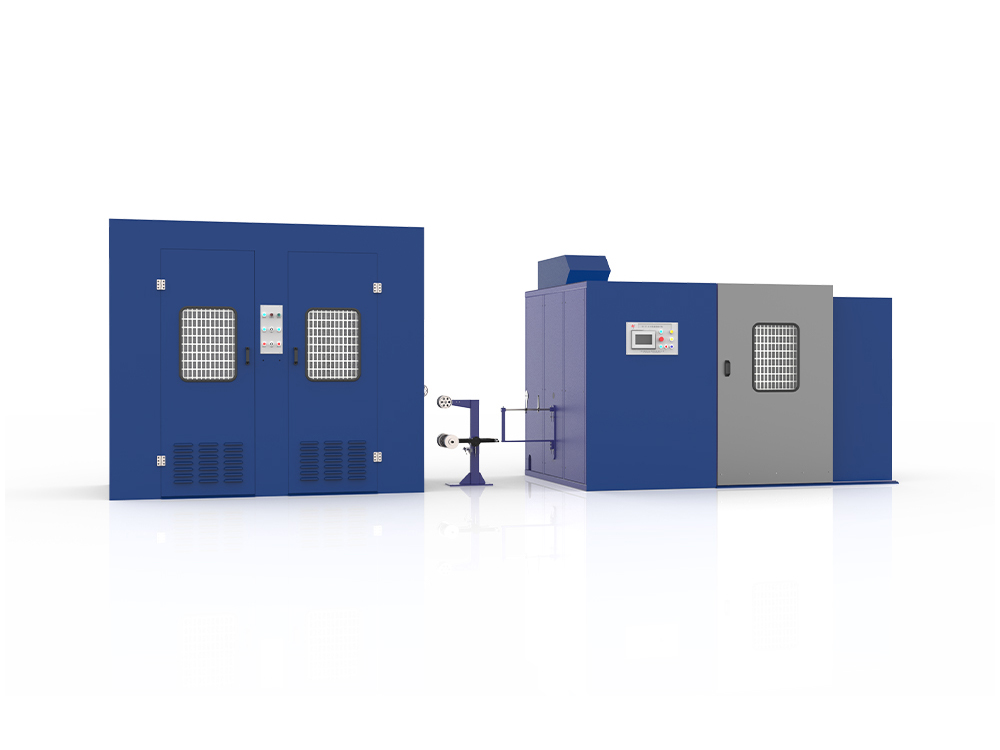
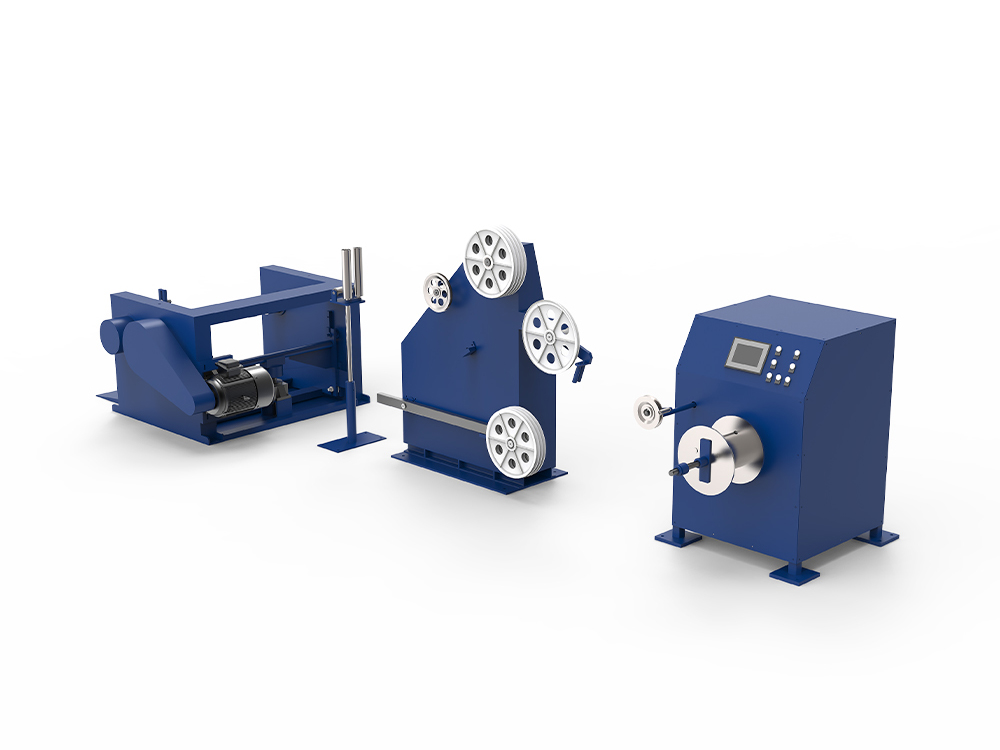
Cable auxiliary equipment refers to specialized devices used for support, control, detection, and packaging throughout the entire cable production, laying, and maintenance process, in addition to the main equipment. They do not directly participate in the cable's conductivity or insulation function, but rather provide crucial support such as tension control, positioning, online detection, and automatic winding, enabling the entire cable system to operate efficiently and reliably.
1. Functional Positioning
Tension and Traction: Ensures uniform stress on the cable during stretching and laying, preventing overstretching or slack.
Online Monitoring: Real-time monitoring of cable dimensions, appearance, insulation status, and other parameters to promptly detect defects.
Automatic Winding/Unwinding: Enables rapid cable winding and unwinding, improving production and construction efficiency.
2. Supply Chain Position
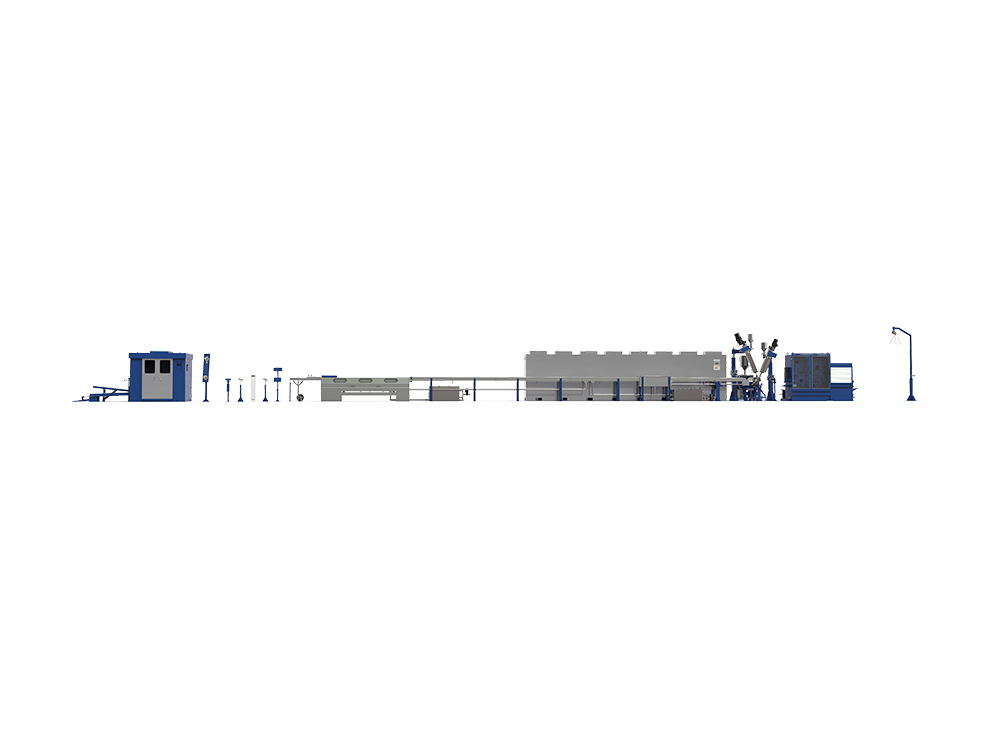
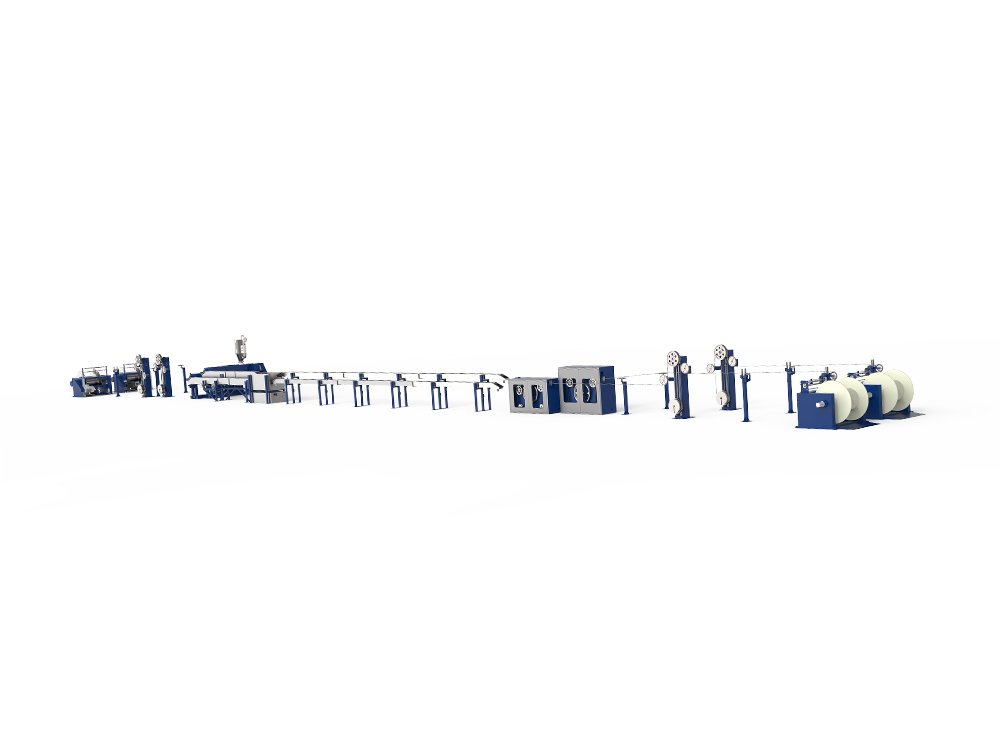
In Zhangjiagang Dachen Machinery Manufacturing Co., Ltd.'s complete production line, auxiliary equipment forms a closed loop with the main equipment, covering key aspects such as pay-off, wrapping, online detection, and automatic take-up, ensuring controllability at every step from raw materials to finished product.
3. Key Technical Features
Modular Design: Facilitates rapid assembly or replacement according to different cable specifications.
Intelligent Control: Employs PLC, HMI, and other human-machine interface systems for remote monitoring and parameter self-adaptation.
High Reliability: Complies with ISO9001:2008 and other quality systems; corrosion-resistant and impact-resistant, suitable for harsh environments such as seabed and land.
What are the common types of Cable Auxiliary Equipment?
Common Types of Cable Auxiliary Equipment
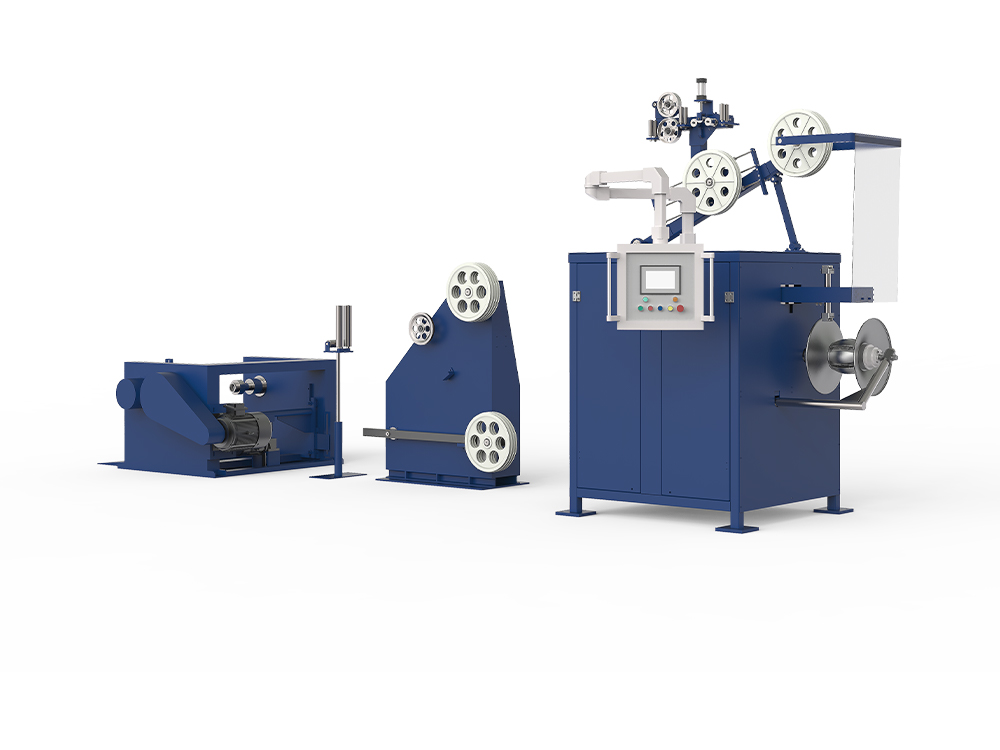
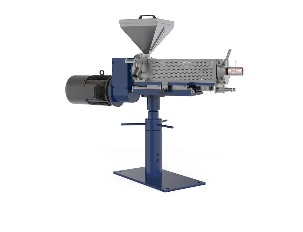
1. Pay-off Machine: Used to smoothly release cable from a reel, controlling the release speed and tension. Modern high-performance models have dual functions (pay-off + wrapping), completing wrapping simultaneously with release.
2. Wrapping Machine: Coats the cable surface with a protective layer (such as waterproof tape or metal foil) to improve corrosion resistance and mechanical strength. Often linked with a pay-off machine for integrated operation.
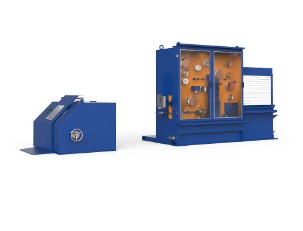
3. Online Detection Device: Mounted on the production line or laying vessel, this device monitors the cable's diameter, shape, insulation resistance, and defects in real time. Detection results are fed back to the control system for automatic adjustment.
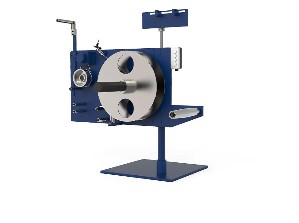
4. Automatic Take-up Machine: After cable production, this machine quickly and evenly retracts the cable onto the reel. Newer models are equipped with automatic brakes and tension compensation to prevent secondary damage caused by inertia.
5. Other Commonly Used Auxiliary Equipment:
Tension Adjustment Device: Used for tension balance during submarine laying.
Cable Pulleys: Guide the cable's path on the laying vessel and prevent tangling.
Meter Counter and Positioning System: Accurately records the laying length to ensure the cable is laid according to the design curve.
What factors affect the service life of Cable Auxiliary Equipment?
1. Materials and Manufacturing Process:
Metal materials (such as stainless steel and aluminum alloy) determine corrosion resistance and abrasion resistance.
Polymer protective layers (such as polyurethane and epoxy resin) improve waterproofing and dustproofing capabilities.
Precision Machining (Bearings, Gears): Precision machining directly affects the rate of mechanical wear.
2. Operating Environment: Undersea, humid, or high-salt-spray environments accelerate metal corrosion.
High-temperature and low-temperature cycling causes thermal expansion and contraction of materials, affecting fit clearances.
Dust and chemical media (such as grease, acids, and alkalis) corrode electrical components.
3. Maintenance and Usage Frequency: Regular lubrication and cleaning significantly extend lifespan.
Overload or frequent start-stop cycles lead to mechanical fatigue, especially in braking systems and drive shafts.
On-site inspection allows for timely detection of wear or loosening, enabling early replacement of critical components.
4. Design Redundancy and Safety Factor: Equipment employing redundant braking and overcurrent protection is safer under abnormal conditions and has a relatively longer lifespan.
What is the role of Cable Auxiliary Equipment in submarine cable laying?
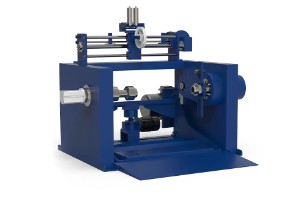
The Role of Cable Auxiliary Equipment in Submarine Cable Laying:
1. Tension and Positioning Control: On the submarine laying vessel, the traction winch, tension regulating device, and pay-off machine work together to ensure constant cable tension during underwater laying, preventing excessive stretching or slack caused by waves and currents.
2. Cable Guidance and Protection: Pulley frames (ship pulley frames) guide the cable into the underwater work area, preventing tangling.
Packaging and protective devices (such as waterproof sleeves and subsea burial plows) provide temporary protection for the cable before laying, improving its abrasion resistance.
3. Real-time Monitoring and Data Feedback: Online monitoring devices can collect parameters such as cable shape, insulation resistance, and temperature in real time during laying. The data is transmitted back to the command center via satellite or shore-based systems, enabling dynamic adjustment and fault early warning.
4. Efficiency Improvement and Cost Control: Through automatic winding/unwinding and intelligent control, downtime in submarine laying operations is significantly reduced, shortening the overall construction cycle by 15%–30%, and significantly reducing project costs.
How to conduct on-site testing of Cable Auxiliary Equipment?
1. Pre-operational Tests
Connection Tightness Check: Confirm that all busbars, terminals, and grounding bolts are tightened to the specified torque.
Insulation Resistance Measurement: Use a megohmmeter to test the internal and external insulation resistance of the equipment, ensuring compliance with IEC 60146 standards.
Functional Verification: Perform no-load operation on key functions such as pay-off, wrapping, and take-up, checking whether the speed and tension curves meet the set values.
2. Operational Tests
Electrical Protection Tests: Injection tests on relay protection and alarm signals to verify the triggering logic and response time.
Online Detection System Calibration: Compare with standard cables known for defects to confirm that the detection sensitivity and false alarm rate are within acceptable ranges.
Load Test: Run the equipment under actual operating load and observe whether abnormal vibrations or temperature rises occur in the brakes and transmission.
3. High Voltage and Withstand Voltage Testing
According to standards such as IEC60478 and IEC60439, withstand voltage tests are conducted on high-voltage cable auxiliary equipment to verify its insulation performance under extreme voltages.
4. On-site Recording and Cross-verification
On-site Inspection Report: Record all test data, instrument model, and test environment.
Cross-comparison: Compare the on-site test results with the factory test report. If discrepancies are found, the cause must be traced and rectified.