 русский
 中文简体
中文简体 Español
 Deutsch
 عربى
عربى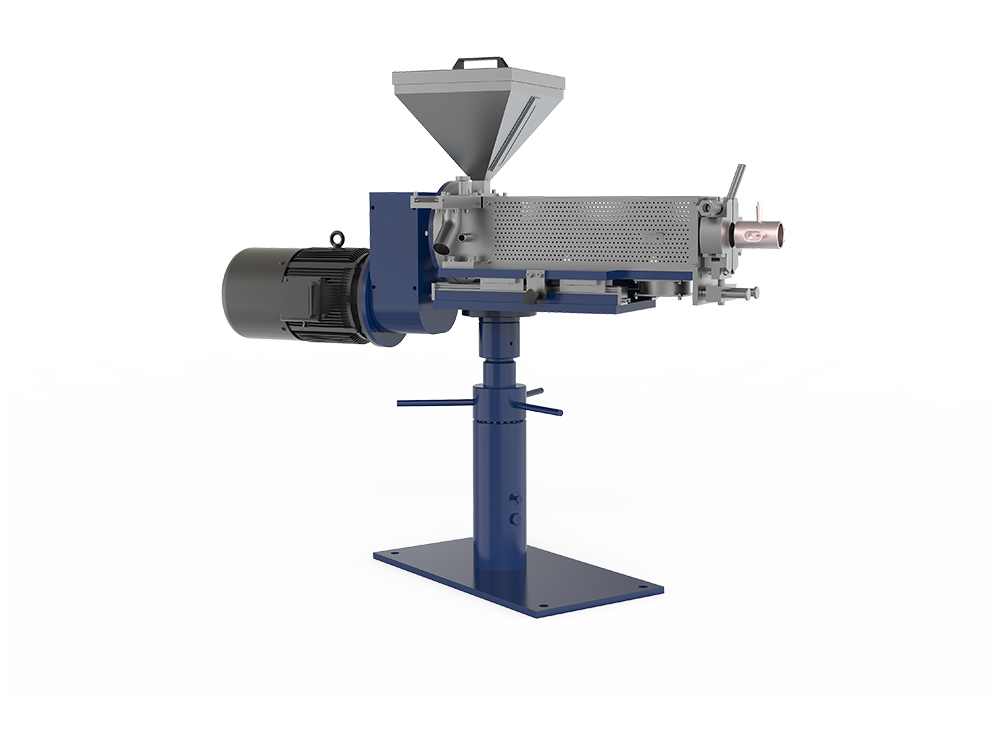
1、Line speed:800-1200m/min
2、Foaming degree:max65%
3、Insulation outer diameter: max 3.0 mm
4、Temperature control:±1°C



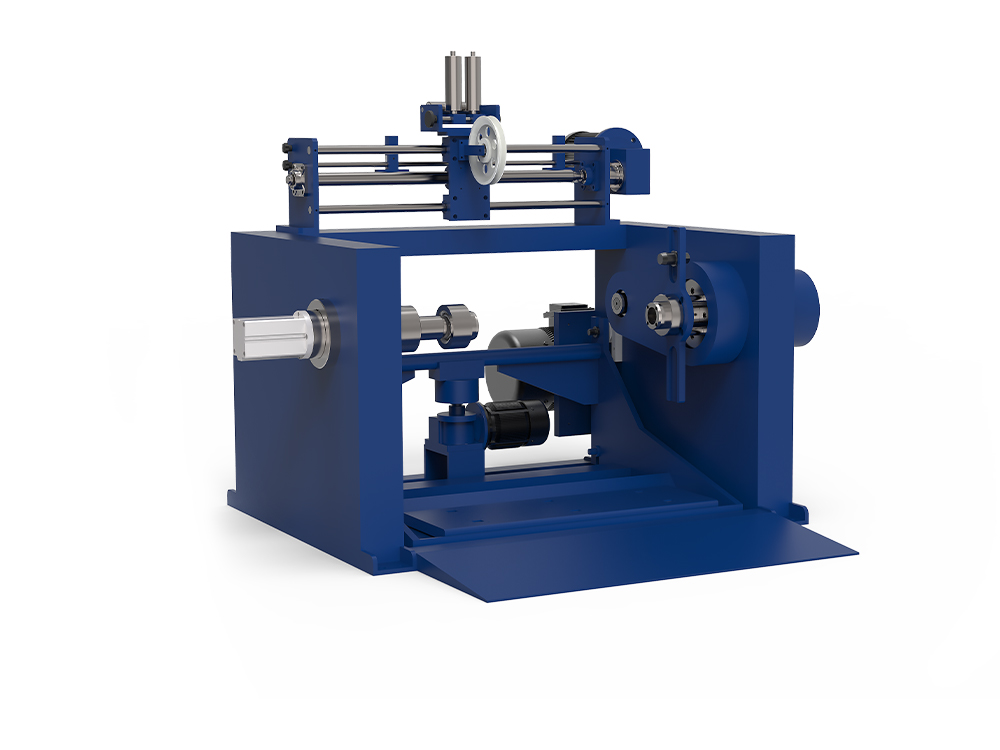
1、Line speed:800-1200m/min
2、Foaming degree:max65%
3、Insulation outer diameter: max 3.0 mm
4、Temperature control:±1°C


Quick Answer: The Core Difference Between Single Mode and Multimode Fiber The main difference comes down to core size and how light travels through it. Single mode fiber uses a core roughly 9 microns wide, sending a single, tightly focused laser beam straight down the fiber, wh...
READ MOREDirect Answer: The Three Core Types of Networking Cables There are three primary types of cables in networking: twisted pair cable, coaxial cable, and fiber optic cable. Twisted pair cable (Cat5e through Cat8) dominates local area network installations because it balances cost, ...
READ MOREQuick Answer: What Is Insertion Loss? Insertion loss is the reduction in signal strength that occurs as a signal passes through a cable, connector, or other component in a transmission path, measured in decibels (dB). In LAN cable terms, it describes how much weaker the signal i...
READ MORE
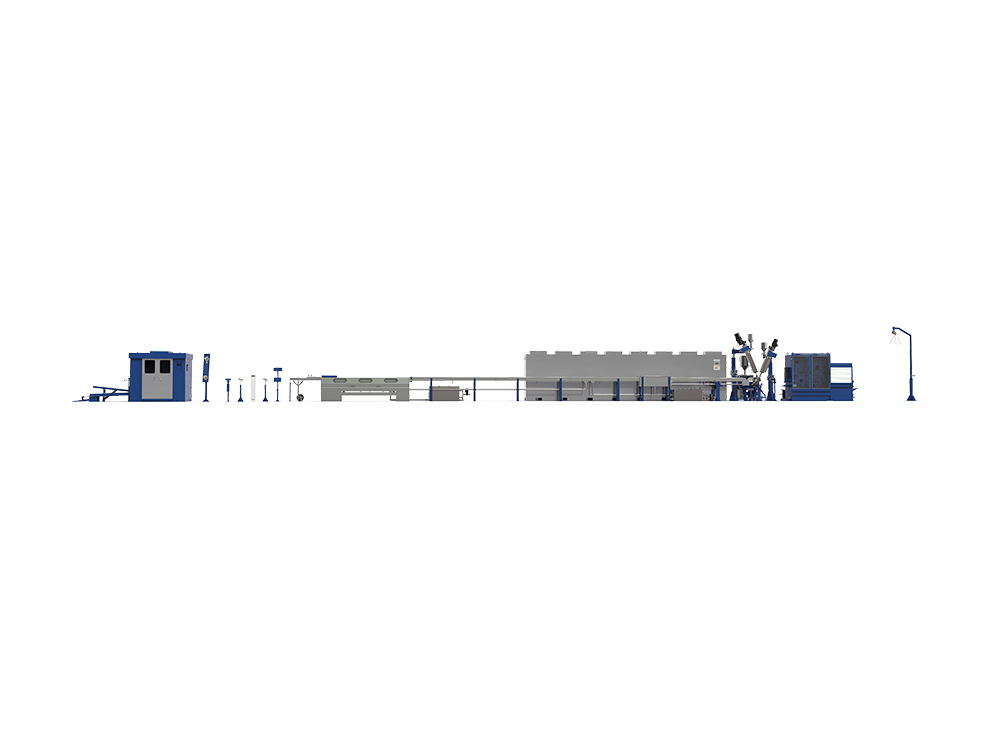
The Drawing-Insulation Tandem Line is an integrated system specifically designed for LAN cable production. It combines multiple key processes—such as wire drawing, annealing, preheating, extrusion, an...
See Details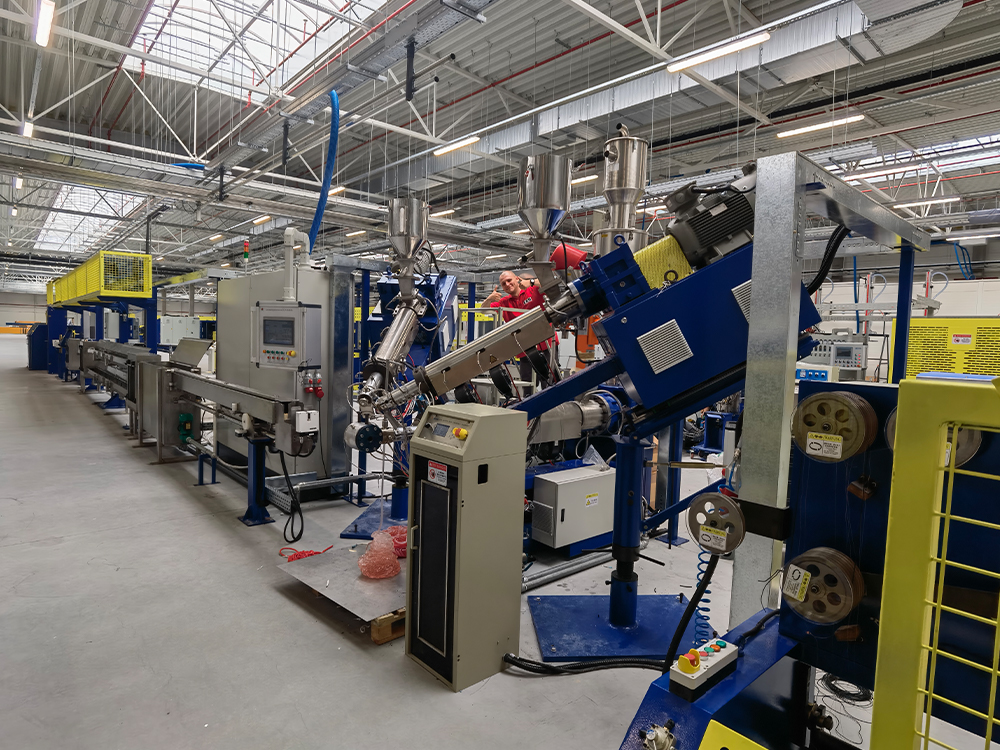
The Core Wire Insulation Extruder Line is suitable for insulation extrusion operations on various types of cables, including but not limited to power cables, industrial cables, control cables, and aut...
See Details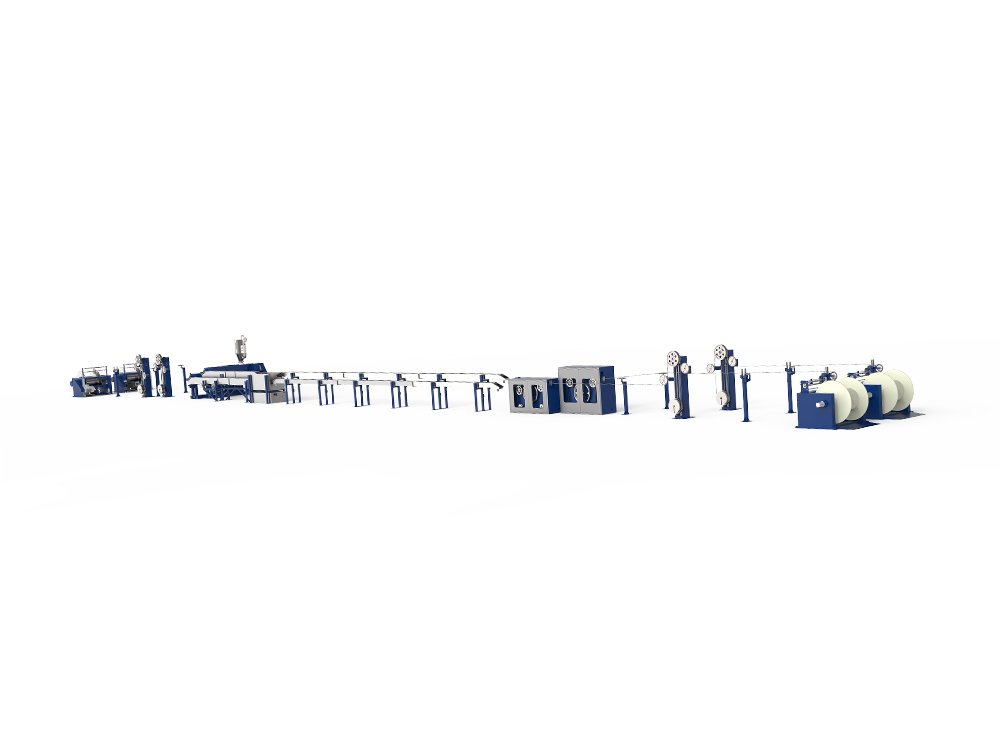
The Cable Jacket Extruder Line is a core piece of equipment for forming the insulation and jacket layers of cables, with its performance directly determining both product quality and production effici...
See Details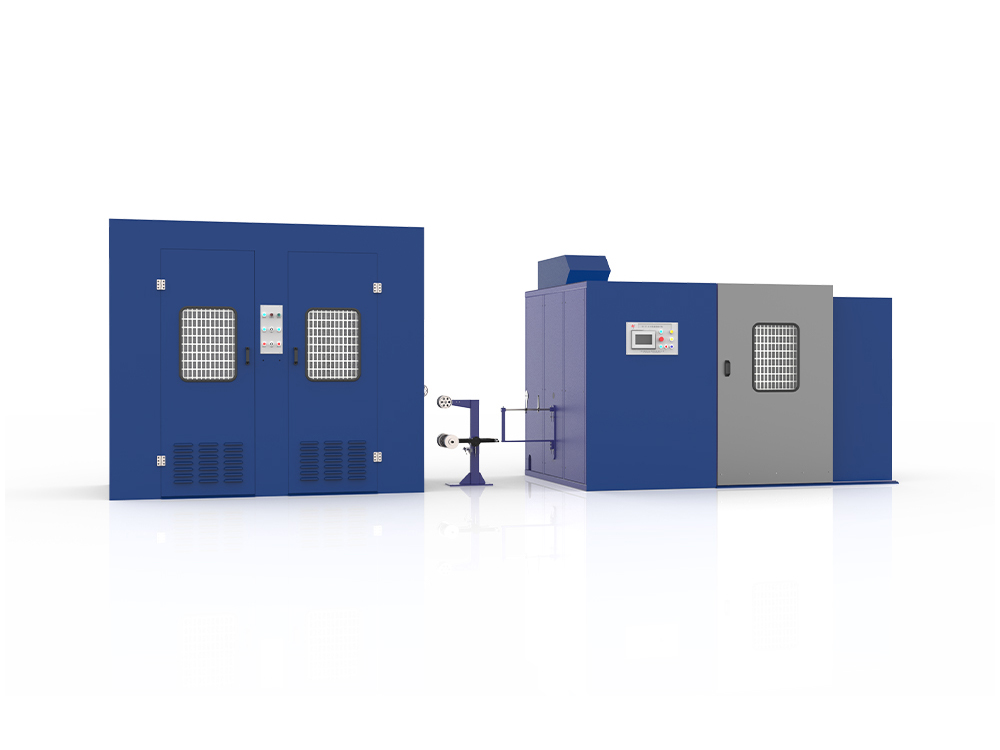
The Pair Twisting Machine with Backtwist is a key piece of equipment specially designed for LAN cable production. It is primarily used to twist two insulated core wires according to specific requireme...
See Details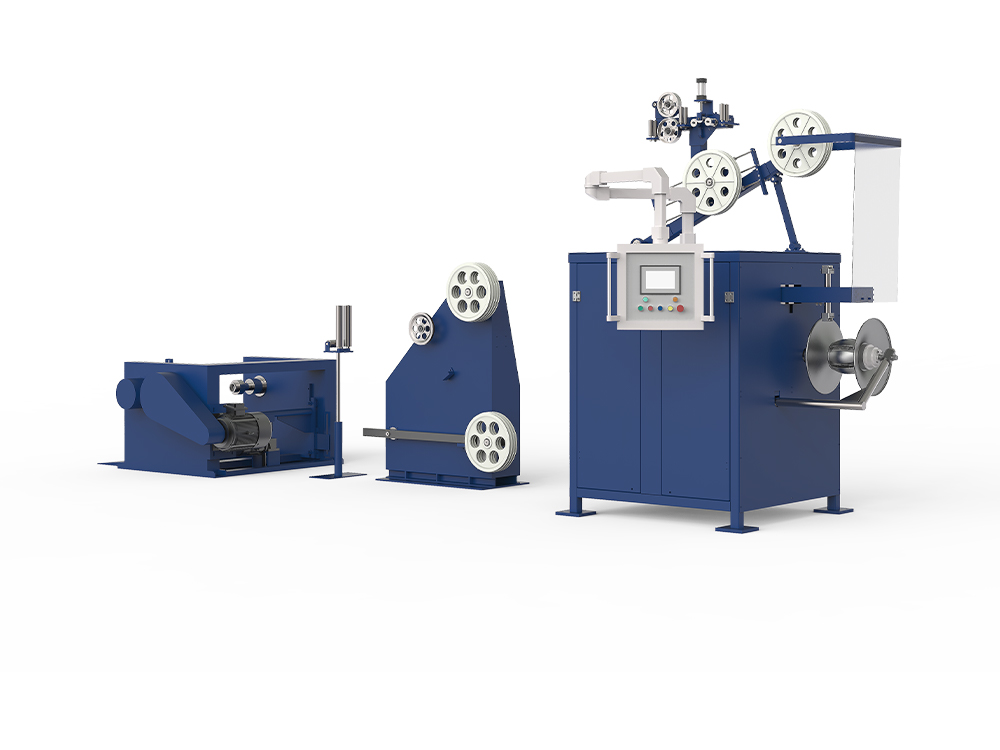
The Mesh Winding Machine is a key piece of equipment for ensuring efficient and high-quality cable coiling. Its performance directly affects the packaging quality, storage, and transportation convenie...
See Details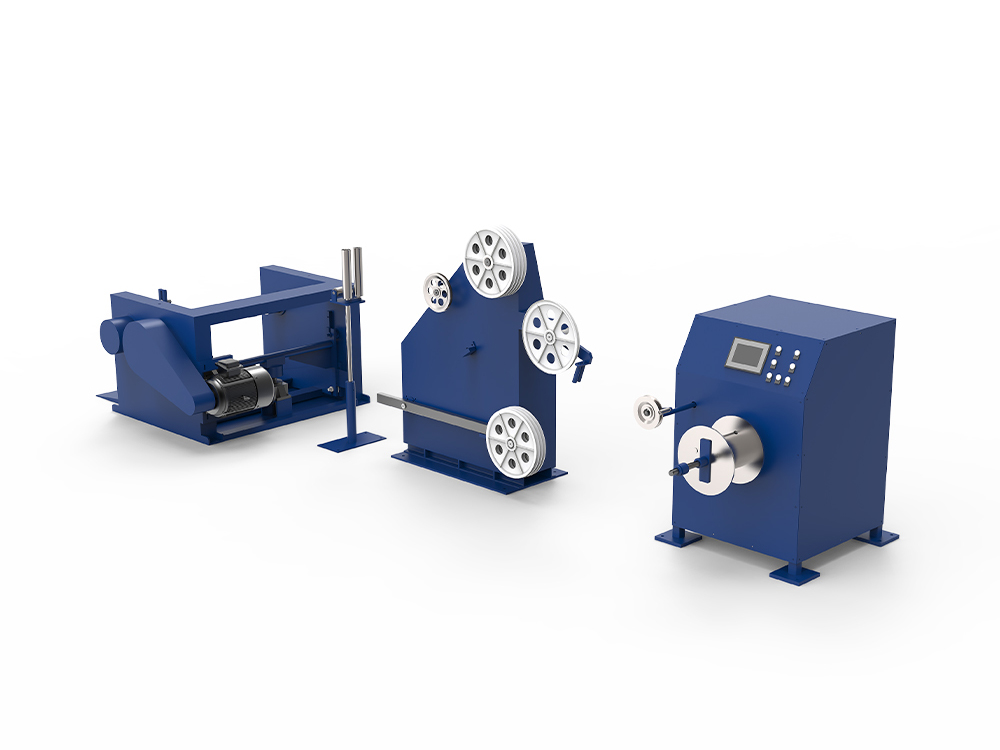
The Rewinding Machine is suitable for the rewinding of various types of cables, including power cables, communication cables, and control cables. It can handle different cable specifications and mater...
See DetailsWhat types of cables is the Cable Physical Foam Insulation Production Line suitable for?
Applicable Cable Types
1. High-Speed Local Area Network (LAN) Cables
Compatible with high-speed transmission standards such as IEEE 1394, Cat7, and Cat8, meeting gigabit and even 10-gigabit data rate requirements.
Utilizing physical foam insulation significantly reduces the dielectric constant and improves signal integrity.
2. Coaxial Cable Core
Suitable for coaxial cables used in RF, broadband, and video transmissions. The foam layer provides lightweight shielding without affecting impedance matching.
3. High-Performance Communication Fiber Optic Preforms (Preforms)
Adding lightweight foam to the outer layer of the fiber optic preform improves bending resistance and reduces overall weight.
4. Industrial-Grade High-Temperature/Oil-Resistant Cables
By adjusting the foam formulation, high-temperature resistance, oil resistance, or flame-retardant properties can be achieved to meet the demands of harsh operating conditions.
What are the key processes in the Cable Physical Foam Insulation Production Line?
Key Process Overview
1. Preheating and Batching
Precisely control the temperature of insulating materials (such as polyethylene and PVC) to ensure uniform foaming.
2. Nitrogen Injection and Physical Foaming
Utilizing advanced nitrogen uniform injection technology, micropores are formed within the material under high pressure, achieving a foaming degree of up to 65%.
3. Extrusion Molding
The foamed material and conductor are simultaneously formed using a high-precision extruder, with an outer diameter of up to 3mm, meeting fine wire specifications.
4. Precise Temperature Control
A ±1°C temperature control system ensures the stability of foam layer thickness and dielectric constant.
5. Online Monitoring and Quality Traceability
Real-time monitoring of line speed (800-1200 m/min) and foaming degree, combined with the ISO9001:2008 quality system, enables full-process traceability.
What are the advantages of the Cable Physical Foam Insulation Production Line in terms of material utilization, weight, and cost compared to traditional solid extrusion?
| Dimension | Traditional Solid‑Core Extrusion | Physical Foam Insulation Production Line |
| Material Utilization | Insulation material is completely solid, resulting in a relatively high waste rate. | Nitrogen injection creates internal micro‑pores, improving material utilization by about 30%–40%. |
| Product Weight | Weight increases linearly with insulation thickness. | The foam layer has low density, reducing overall weight by 20%–35%. |
| Production Cost | High raw‑material cost and large energy consumption. | Foam formation reduces raw‑material usage and provides more stable temperature control, cutting energy consumption by roughly 15%. |
| Signal Performance | Dielectric constant is relatively fixed, limiting high‑speed transmission. | The foam layer has a lower dielectric constant, resulting in less signal attenuation and supporting higher frequencies. |
Frequently Asked Questions (FAQ)
Q1:What are the company's competitive advantages in the industry?
A: The company possesses a complete closed loop of R&D, manufacturing, sales, and service, ensuring fast project delivery, high product cost-effectiveness, and earning the trust of domestic and international customers.
Q2:In which areas are the company's technological advantages reflected?
A: From mechanical structure to electrical system, the entire process is internally controlled, ensuring fast delivery, customized services, and comprehensive after-sales support.
Q3:What are some typical product lines?
A: Machine backtwist, single strand twisting machine, drawing annealing machine, drawing insulation tandem wire, double twisting machine, cable sheath extrusion line, braiding and winding machine, rewinding machine, combined twisting machine, etc.
Q4:What is Dacheng Machinery's corporate positioning?
A: A national high-tech enterprise and a Jiangsu Province "Specialized, Refined, and Innovative" SME.


Copyright © Zhangjiagang Dachen Machinery Manufacturing Co., Ltd. All rights reserved. Custom Cable Physical Foam Insulation Production Line Manufacturers
