 русский
 中文简体
中文简体 Español
 Deutsch
 عربى
عربى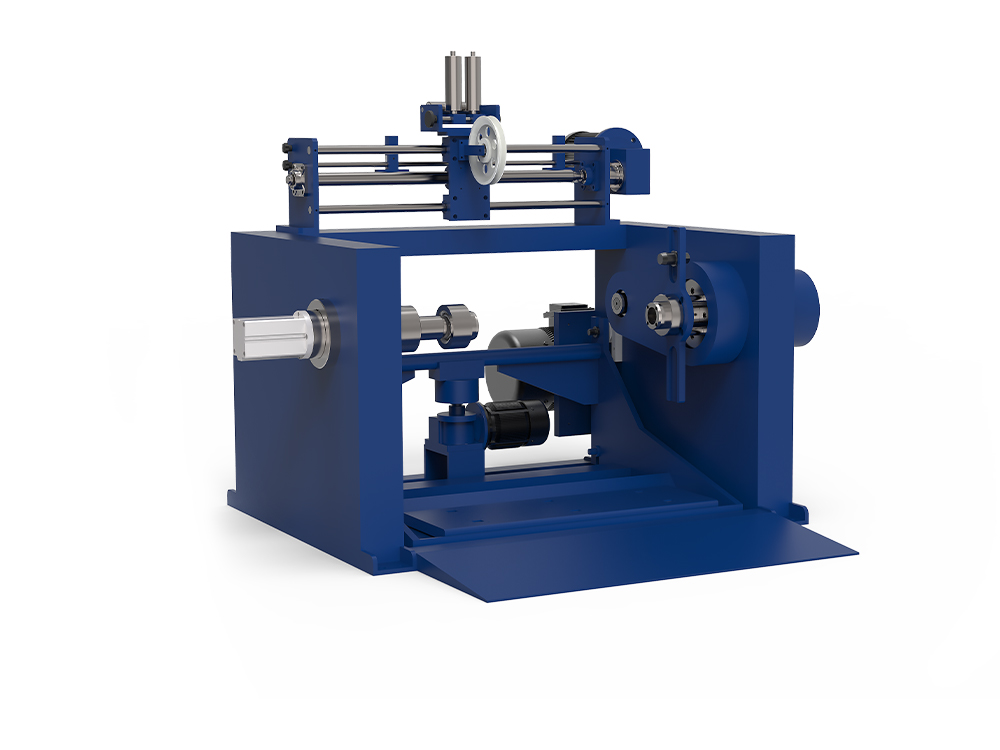
1、Adaptable wire diameter range: 5-30mm
2、Speed: 50-250tpm
3、Temperature control:±1°C
4、Meter counting accuracy: ± 0.5%



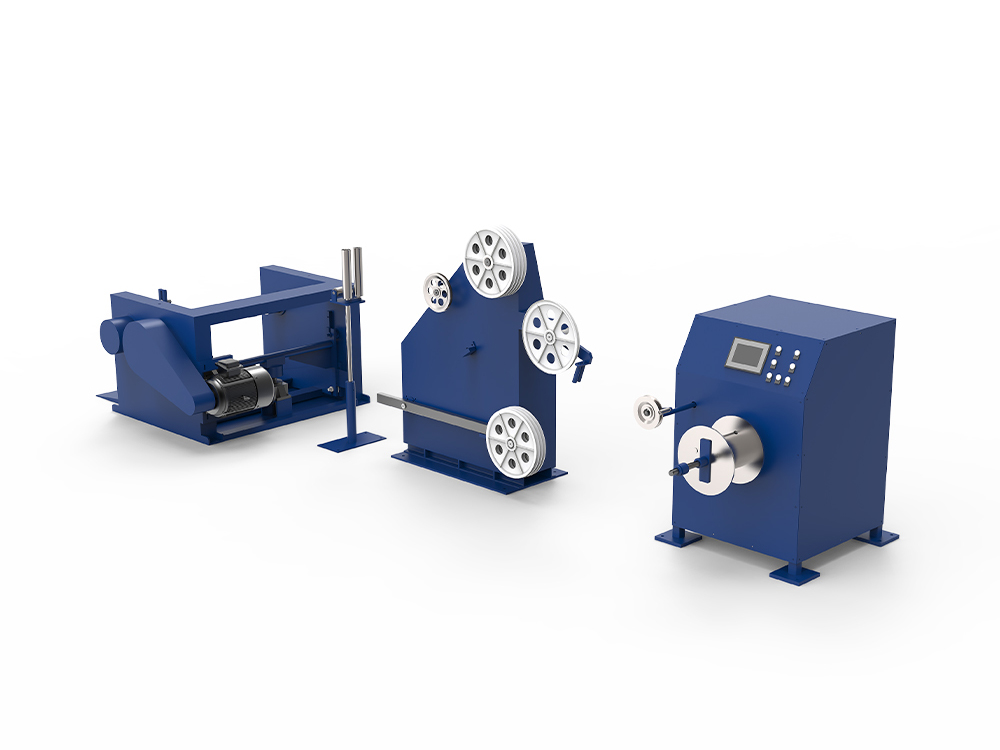
1、Adaptable wire diameter range: 5-30mm
2、Speed: 50-250tpm
3、Temperature control:±1°C
4、Meter counting accuracy: ± 0.5%


Quick Answer: The Core Difference Between Single Mode and Multimode Fiber The main difference comes down to core size and how light travels through it. Single mode fiber uses a core roughly 9 microns wide, sending a single, tightly focused laser beam straight down the fiber, wh...
READ MOREDirect Answer: The Three Core Types of Networking Cables There are three primary types of cables in networking: twisted pair cable, coaxial cable, and fiber optic cable. Twisted pair cable (Cat5e through Cat8) dominates local area network installations because it balances cost, ...
READ MOREQuick Answer: What Is Insertion Loss? Insertion loss is the reduction in signal strength that occurs as a signal passes through a cable, connector, or other component in a transmission path, measured in decibels (dB). In LAN cable terms, it describes how much weaker the signal i...
READ MORE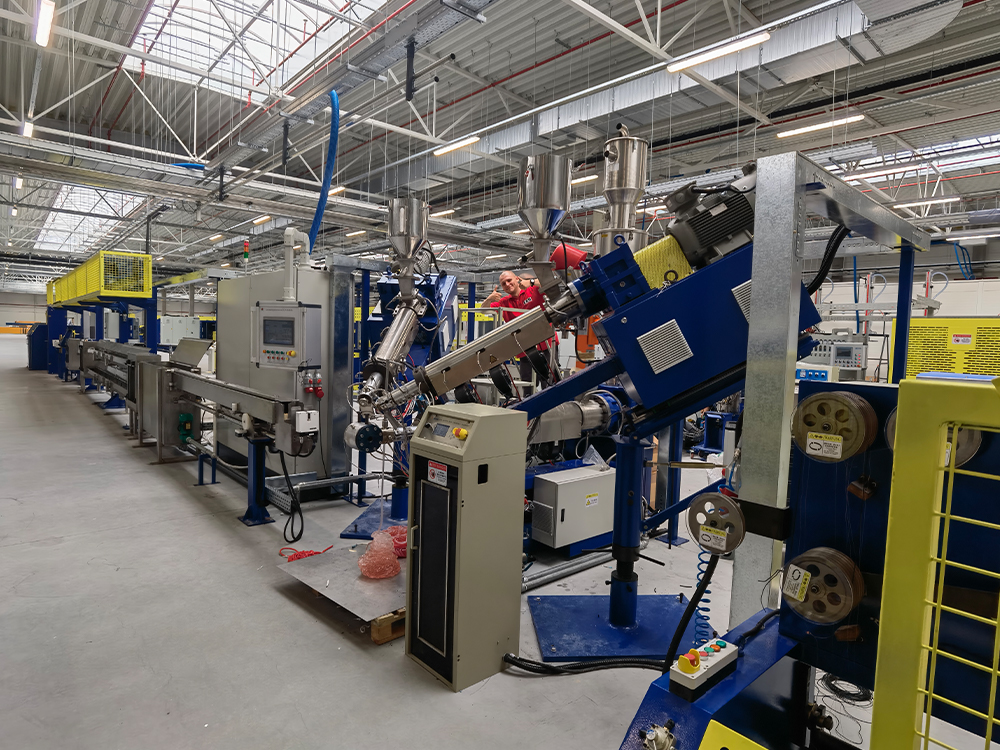
The Core Wire Insulation Extruder Line is suitable for insulation extrusion operations on various types of cables, including but not limited to power cables, industrial cables, control cables, and aut...
See Details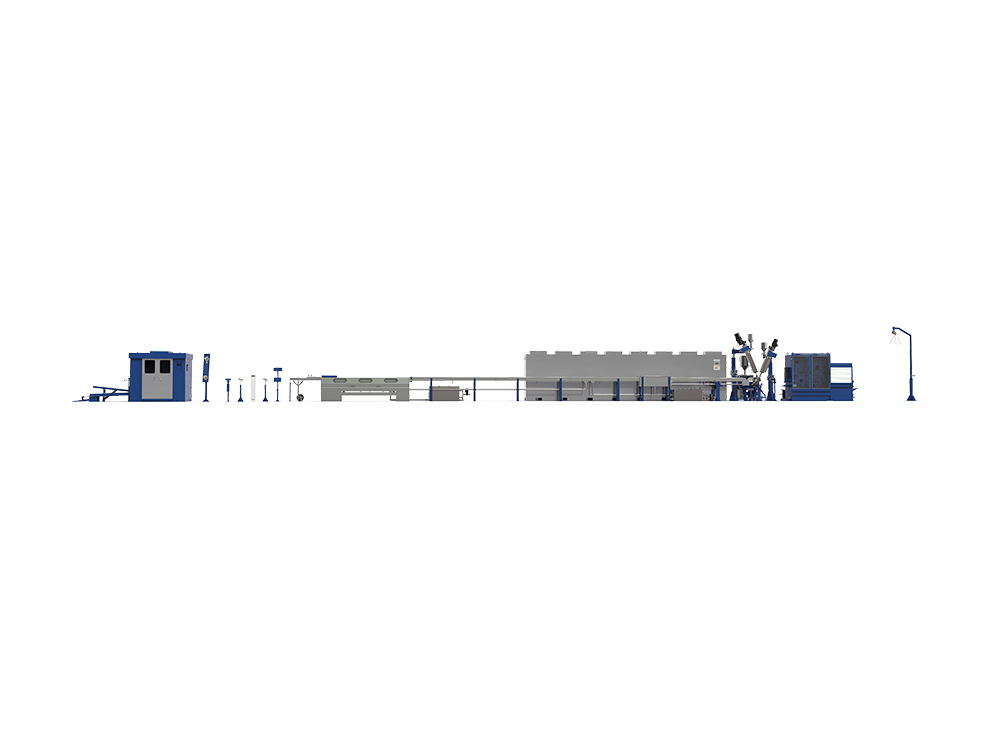
The Physical Foam Insulation Production Line is a high-end manufacturing system tailor-made for LAN cable production. It is suitable for the physical foaming insulation processing of various high-perf...
See Details
The Drawing-Insulation Tandem Line is an integrated system specifically designed for LAN cable production. It combines multiple key processes—such as wire drawing, annealing, preheating, extrusion, an...
See Details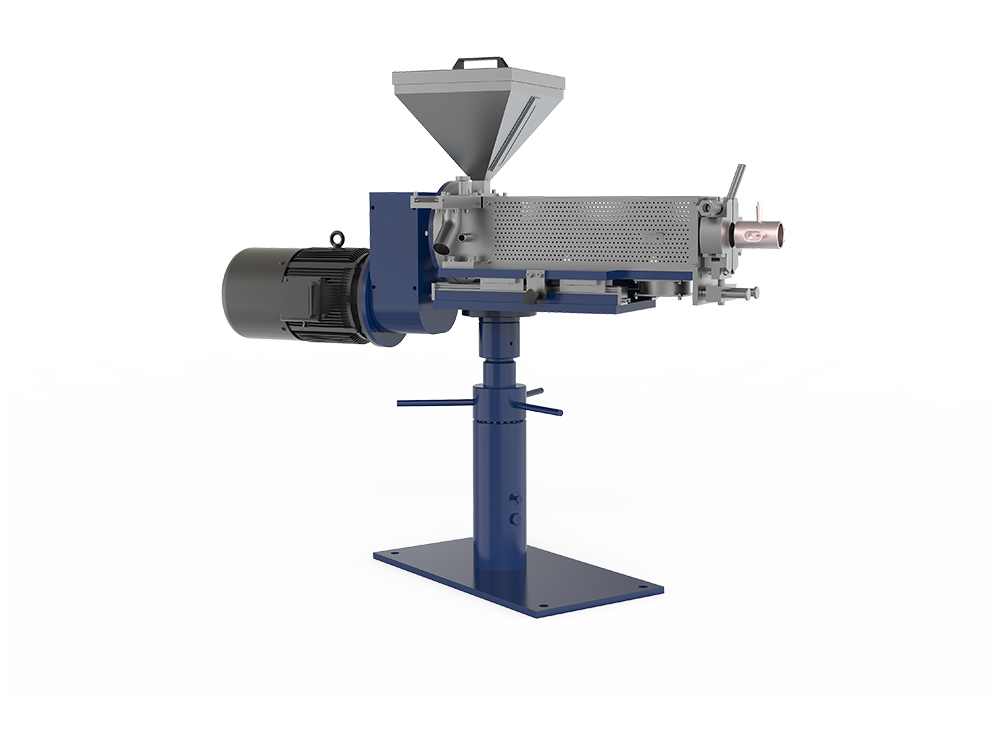
Our strip extruder features a high-torque screw design ranging from Φ25 to Φ60 mm, paired with a PID intelligent temperature control system that maintains plasticizing temperature with a precision of ...
See Details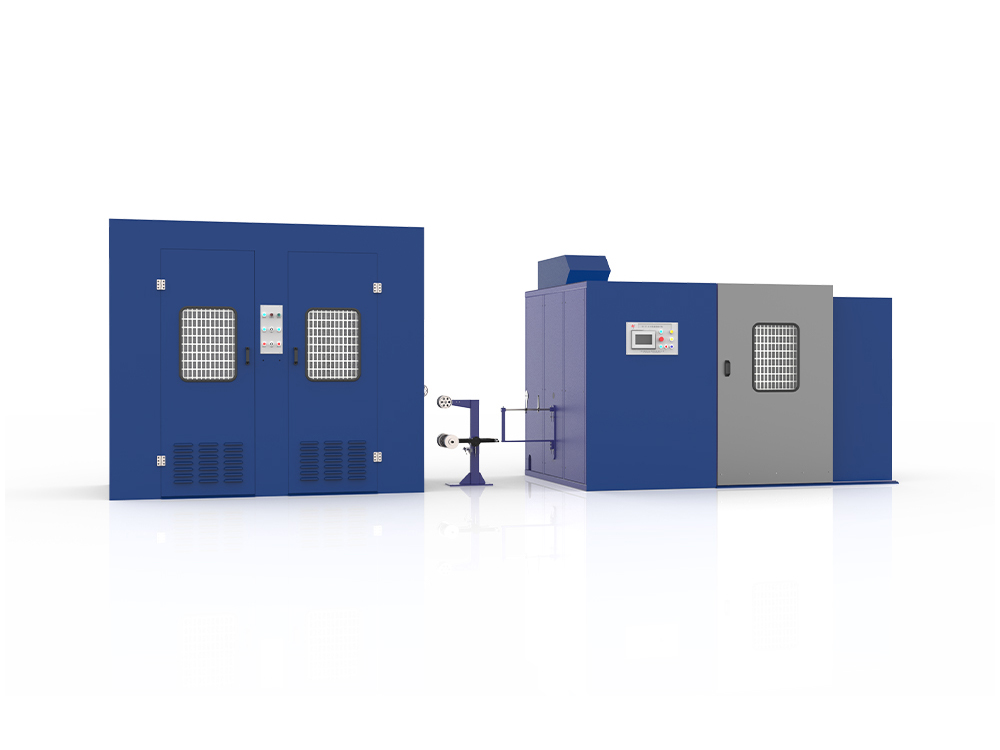
The Pair Twisting Machine with Backtwist is a key piece of equipment specially designed for LAN cable production. It is primarily used to twist two insulated core wires according to specific requireme...
See Details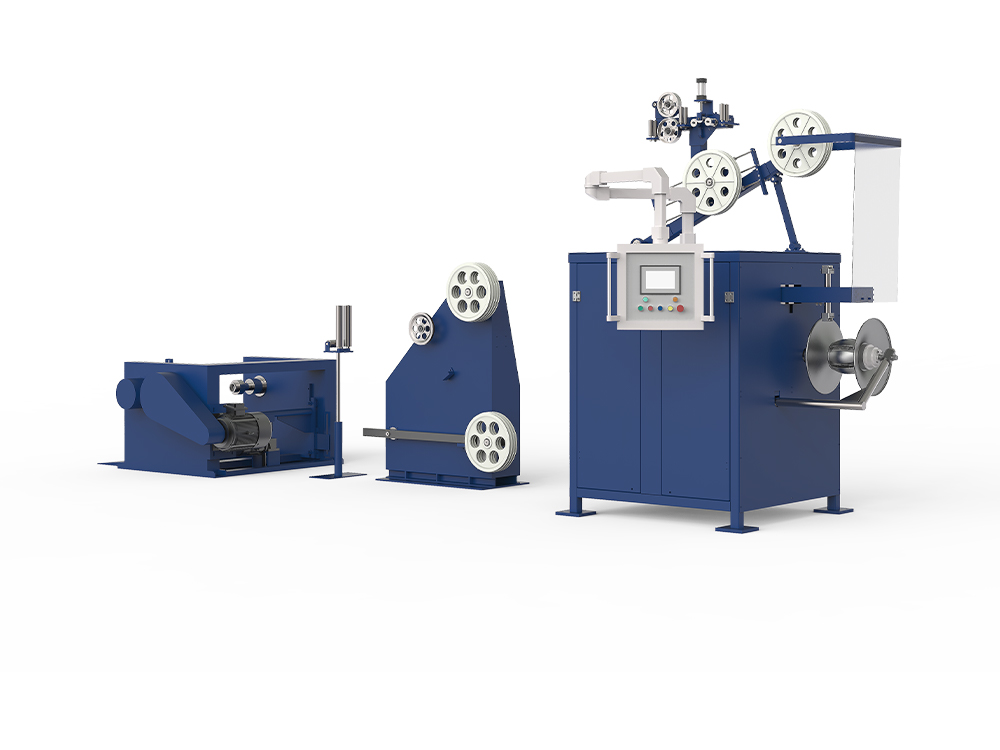
The Mesh Winding Machine is a key piece of equipment for ensuring efficient and high-quality cable coiling. Its performance directly affects the packaging quality, storage, and transportation convenie...
See DetailsWhat is a Cable Jacket Extruder Line?
Definition and Core Functions of a Cable Jacket Extruder Line
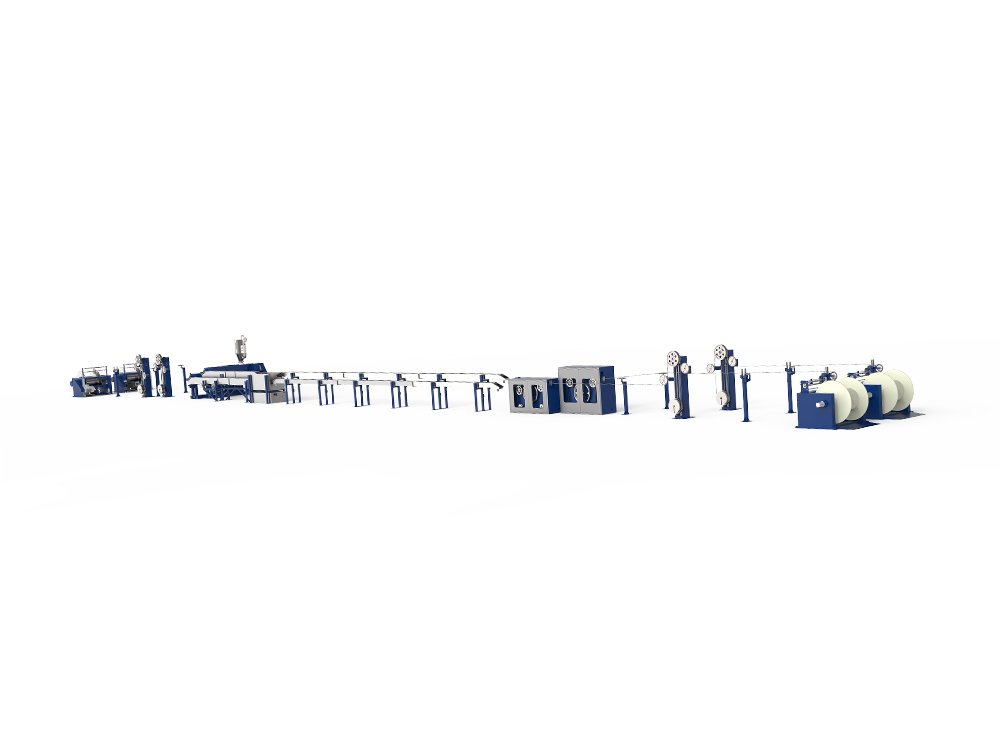
1. Basic Concept: A Cable Jacket Extruder Line is a production system specifically designed to melt and extrude plastic raw materials to form a uniform sheath on the surface of the cable core.
2. Key Components: Includes a multi-stage heated barrel, screw extruder, die forming section, and cooling traction device, enabling high-speed, continuous sheath production.
3. Applications: Widely used for the outer sheath processing of high-performance cables such as Cat5e, Cat6 and higher speed LAN cables, industrial automation control lines, and special communication lines.
| Content | Explanation | |
| Basic definition | A dedicated production line that continuously extrudes molten plastic to form the outer jacket of cables | The plastic is melted by a single/dual‑screw extruder, then shaped by a die to achieve uniform, continuous jacket coverage |
| Key components | Hopper → Screw‑heated barrel → Multi‑zone temperature control → Die forming section → Cooling‑traction system | These stages cooperate to accomplish material feeding, melting, mixing, extrusion, solidification and metering |
| Applicable range | High‑end products such as Cat5e, Cat6 and higher‑speed LAN cables, industrial automation control cables, special communication cables | Supports wire diameters of 5‑30 mm, production speed of 50‑250 tpm (as described in the source) |
How to Achieve Precise Control of Sheath Wall Thickness Through Software Parameter Adjustment?
Technical Points for Precise Wall Thickness Control Through Software Parameter Adjustment
1. Extrusion Speed Adjustment: The sheath thickness is controlled by changing the extruder speed; increasing the speed thins the wall, while decreasing the speed thickens the wall.
2. Temperature Closed-Loop Control: PID or adaptive neural PID algorithms are used for precise temperature control in key temperature zones such as the barrel and die, maintaining a temperature fluctuation of ±1°C to ensure stable plastic viscosity and thus consistent wall thickness.
3. Drawing Ratio (Traction Speed): The software synchronously adjusts the conveying speed of the traction device, keeping the ratio of the extrusion section to the drawing section within the design range, further refining the wall thickness error to ±0.5%.
4. Real-Time Monitoring and Feedback: The system is equipped with an online wall thickness measurement sensor, collecting data in real time and feeding it back to the control software to achieve closed-loop regulation and prevent eccentricity (difference in wall thickness between the two sides).
| Control factor | Adjustment method | Key technology / implementation |
| Extrusion speed | Set screw RPM via the upper‑level software; higher speed → thinner wall, lower speed → thicker wall | Real‑time closed‑loop control with metering sensor feedback |
| Temperature control | PID or adaptive‑PID regulates multi‑zone barrel and die temperatures within ±1 °C to keep polymer viscosity stable | Temperature sensors + software algorithm achieve temperature closed‑loop |
| Draw‑ratio (traction speed) | Software synchronously adjusts traction speed to maintain the designed ratio between extrusion and pulling sections | Draw‑ratio error ≤ ±0.5 % |
| Online wall‑thickness measurement & alarm | Ultrasonic/optical sensors continuously monitor wall thickness and eccentricity; software displays data and triggers alarms on out‑of‑spec | Data acquisition‑storage‑analysis module, supports historical traceability |
| Parameter optimisation workflow | ① Define target thickness → ② Adjust speed, temperature, draw‑ratio via software → ③ Real‑time monitoring and automatic fine‑tuning → ④ Record parameter curves for future batch reuse | Integrated hardware‑software closed‑loop platform |
How does the Cable Jacket Extruder Line melt plastic raw materials and form a continuous sheath?
Process Flow for Plastic Melting and Continuous Sheath Formation
1. Raw Material Pretreatment: Polyethylene (PE), polyvinyl chloride (PVC), or modified polyolefin plastic granules are added to the barrel, preheated, and then fed into the screw.
2. Multi-stage melt mixing: The screw achieves two or more stages of mixing in different temperature zones (45-50°C, 55-60°C, 85-95°C, and 125-135°C in the die zone), ensuring complete melting and uniform dispersion of the plastic.
3. Extrusion molding: Molten plastic is passed through a circular die under high pressure to form a continuous tubular sheath; the die temperature and screw speed together determine the wall thickness.
4. Cooling and traction: After rapid solidification in a cooling tank, the sheath is pulled out and measured by a traction device, ensuring that the wall thickness error per meter is within ±0.5%.
| Step | Key operation | Technical highlights |
| 1 Drying & pre‑treatment | Raw material (PVC, PE, TPU, etc.) is dried to remove moisture before feeding into the hopper | Prevents bubbles and wall‑thickness inconsistency |
| 2 Feeding & conveyance | Metered feeding system delivers granules into the screw’s forward zone | Precise metering ensures consistent formulation |
| 3 Multi‑zone heating & melting | Screw passes through 3‑4 heating zones, plastic melts and homogenises under shear and friction | Process includes mixing, melting, homogenisation (three‑stage) |
| 4 Co‑extrusion / single extrusion forming | Molten plastic is forced through the die to produce a circular or shaped jacket tube | Enables single‑layer or multi‑layer co‑extrusion for complex structures |
| 5 Cooling & solidification | Extruded tube enters a water/air cooling bath for rapid temperature drop and solidification | Cooling rate influences wall‑thickness uniformity and surface finish |
| 6 Traction & metering | Traction device pulls the jacket at a controlled speed and counts length, guaranteeing wall‑thickness error ≤ ±0.5 % (as stated) | Works together with software draw‑ratio control |
| 7 Cutting & packaging | Finished jacket is cut to preset lengths and automatically packaged for storage | Fully automated line boosts productivity |
Frequently Asked Questions (FAQ)
Q1:What types of cables is DaCheng Machinery's Cable Jacket Extruder Line suitable for?
A:It is suitable for extruding various specifications of cable sheaths, including BV, BVN, BVR, RV, nylon sheathed cables, low-smoke zero-halogen flame-retardant cables, and other environmentally friendly building cables.
Q2:What are the product delivery time and delivery method?
A:The standard configuration delivery time is generally 30-45 days, supporting on-site commissioning before the machine leaves the factory; for customized non-standard equipment, the delivery time depends on the technical solution, usually around 60-90 days.
Q3:Do you support customer-customized non-standard equipment?
A:DaCheng Machinery has a complete R&D chain and can design, manufacture, and commission a complete set of non-standard equipment according to customer drawings or functional requirements.
Q4:How do the Cable Jacket Extruder Line equipment perform in terms of energy consumption and environmental protection?
A:It adopts high-efficiency heat recovery and variable frequency drive technology, reducing energy consumption by approximately 15% compared to traditional equipment; it also supports the extrusion of low-smoke, halogen-free materials, meeting environmental protection requirements.


Copyright © Zhangjiagang Dachen Machinery Manufacturing Co., Ltd. All rights reserved. Custom Cable Jacket Extruder Line Manufacturers
