 русский
 中文简体
中文简体 Español
 Deutsch
 عربى
عربى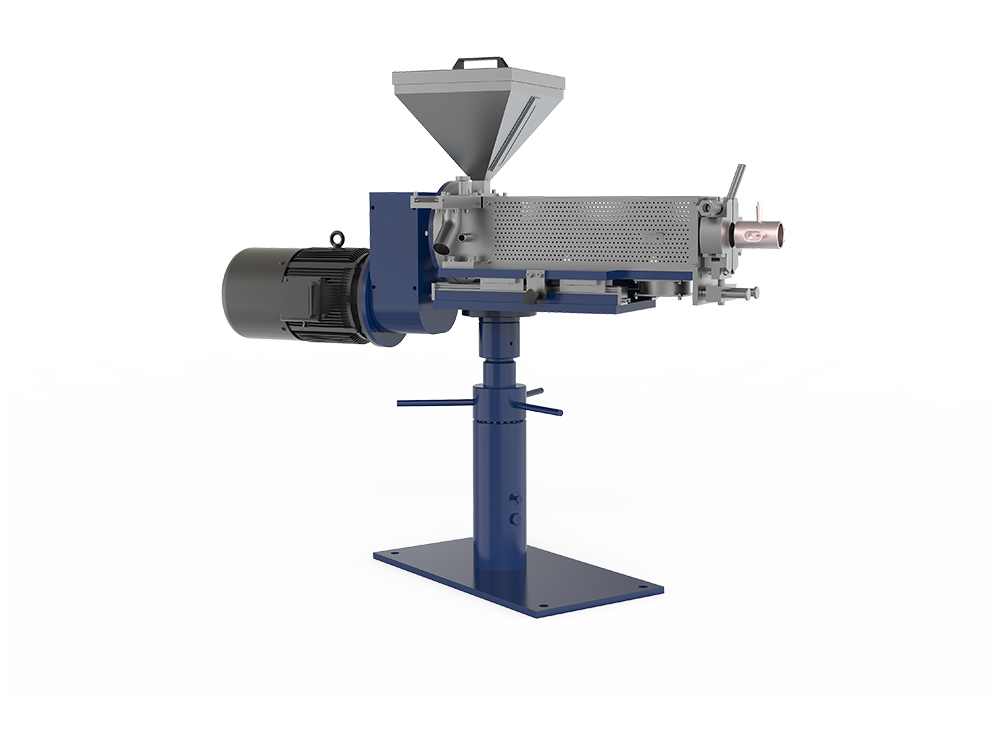
1、Wire speed: 1200-1500m/min
2、Conductor outer diameter: 0.4-0.8mm
3、Insulation outer diameter: 0.8-2.0mm
4、Temperature control:±1°C
5、Concentricity:>95%



1、Wire speed: 1200-1500m/min
2、Conductor outer diameter: 0.4-0.8mm
3、Insulation outer diameter: 0.8-2.0mm
4、Temperature control:±1°C
5、Concentricity:>95%


Quick Answer: The Core Difference Between Single Mode and Multimode Fiber The main difference comes down to core size and how light travels through it. Single mode fiber uses a core roughly 9 microns wide, sending a single, tightly focused laser beam straight down the fiber, wh...
READ MOREDirect Answer: The Three Core Types of Networking Cables There are three primary types of cables in networking: twisted pair cable, coaxial cable, and fiber optic cable. Twisted pair cable (Cat5e through Cat8) dominates local area network installations because it balances cost, ...
READ MOREQuick Answer: What Is Insertion Loss? Insertion loss is the reduction in signal strength that occurs as a signal passes through a cable, connector, or other component in a transmission path, measured in decibels (dB). In LAN cable terms, it describes how much weaker the signal i...
READ MORE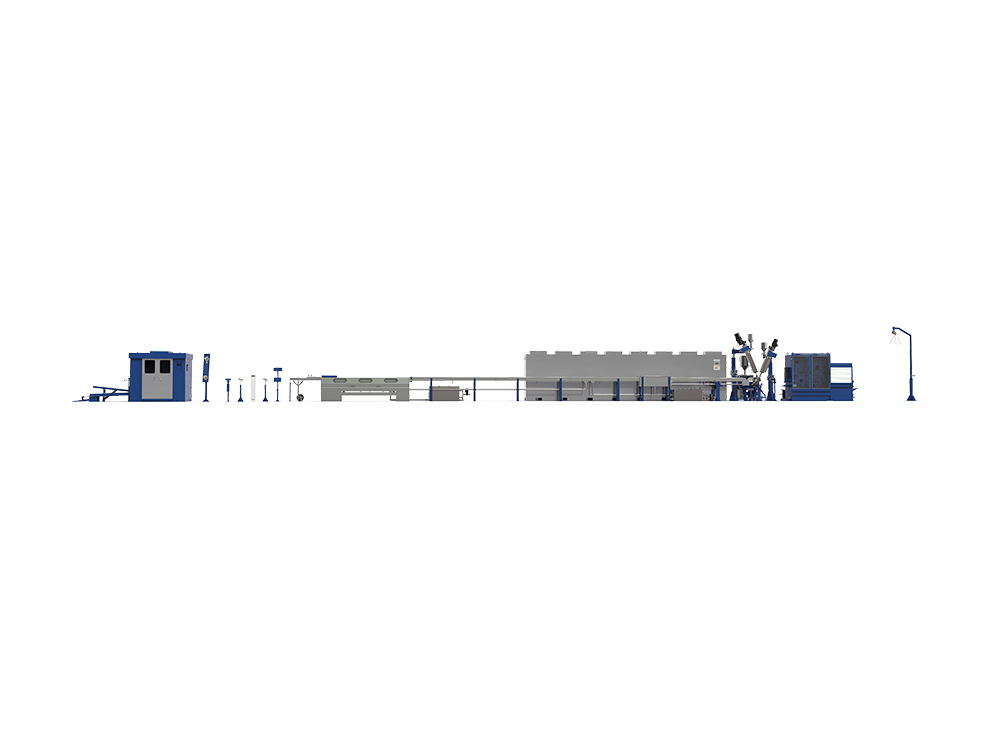
The Physical Foam Insulation Production Line is a high-end manufacturing system tailor-made for LAN cable production. It is suitable for the physical foaming insulation processing of various high-perf...
See Details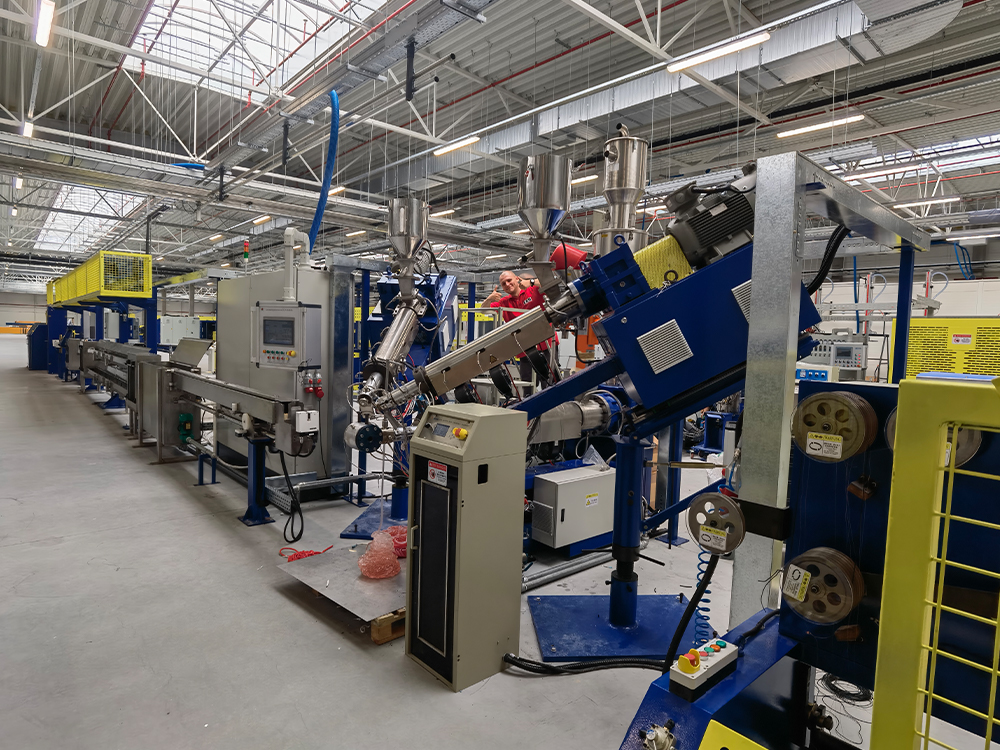
The Core Wire Insulation Extruder Line is suitable for insulation extrusion operations on various types of cables, including but not limited to power cables, industrial cables, control cables, and aut...
See Details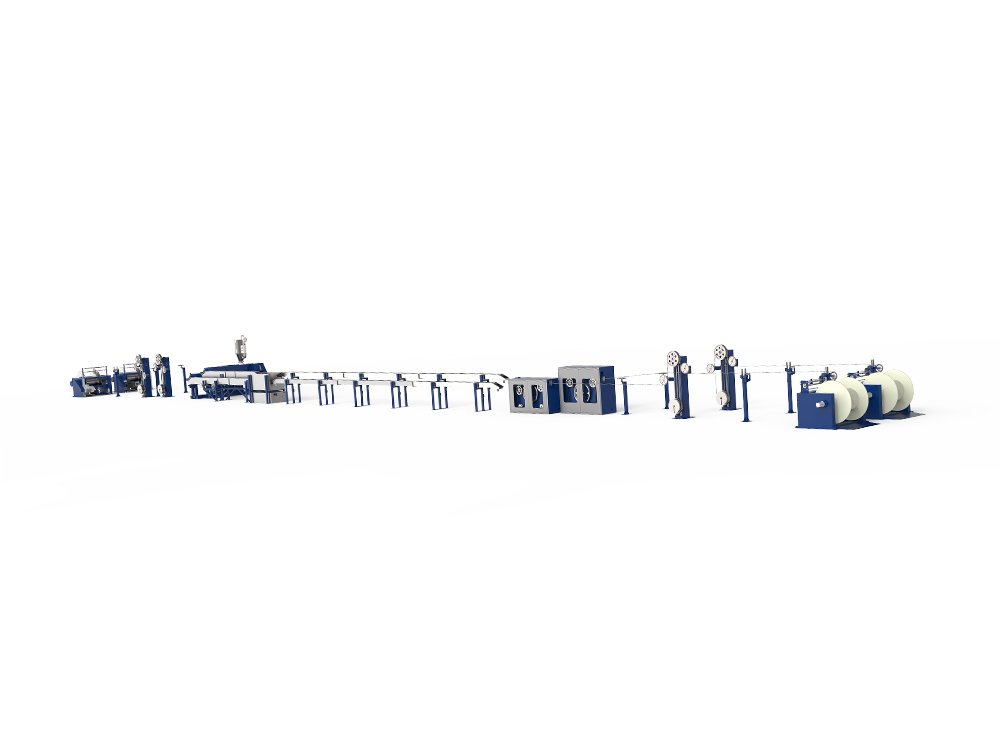
The Cable Jacket Extruder Line is a core piece of equipment for forming the insulation and jacket layers of cables, with its performance directly determining both product quality and production effici...
See Details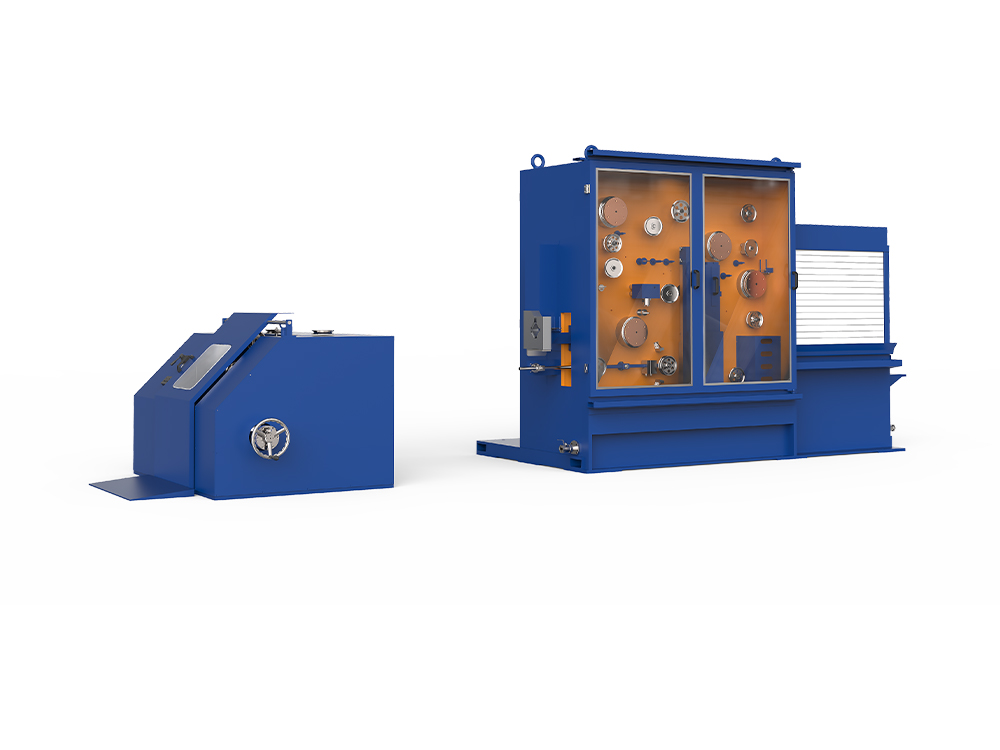
The Silver-Plated Conductor Drawing Annealing Machine is a high-end continuous drawing and annealing system, jointly developed based on the quality characteristics of premium silver-plated conductors ...
See Details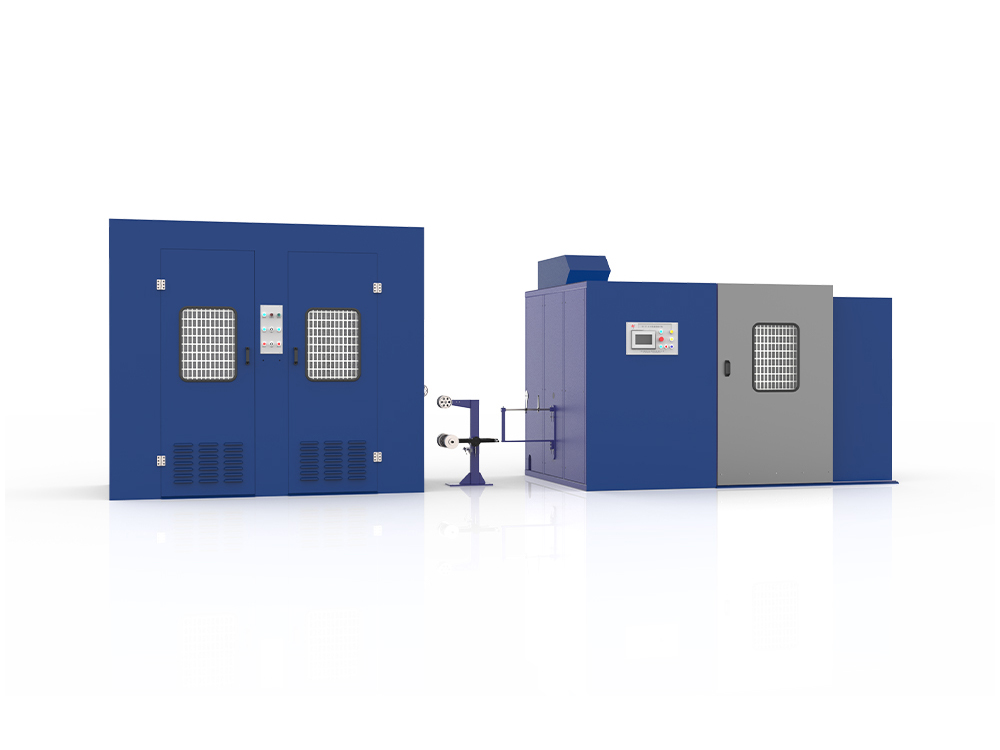
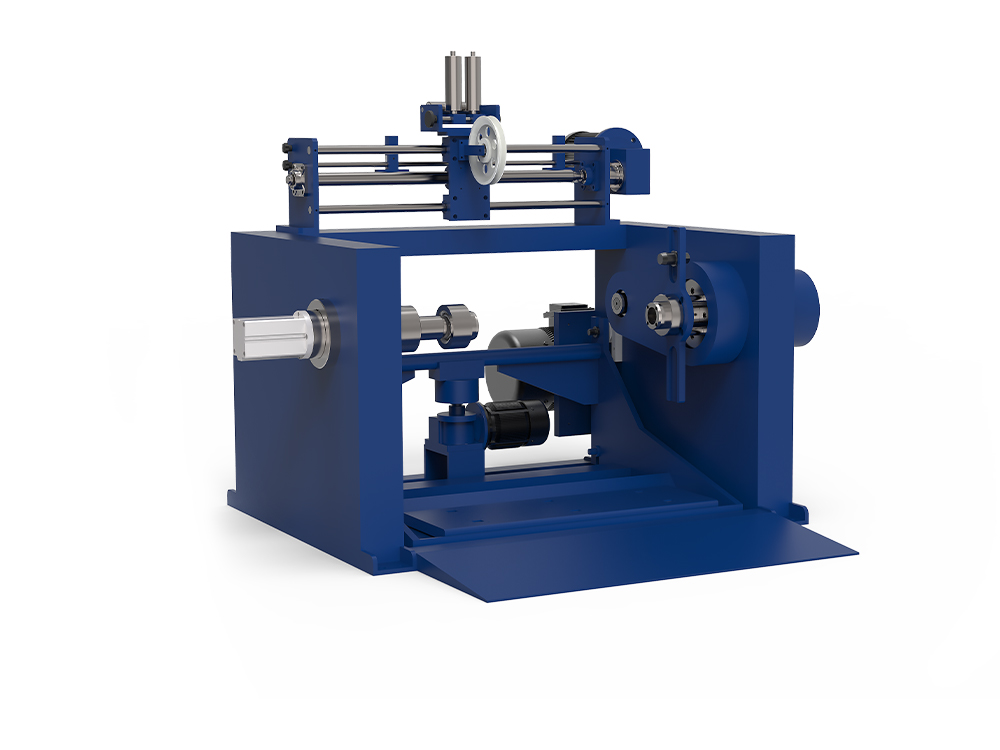
The Pair Twisting Machine with Backtwist is a key piece of equipment specially designed for LAN cable production. It is primarily used to twist two insulated core wires according to specific requireme...
See Details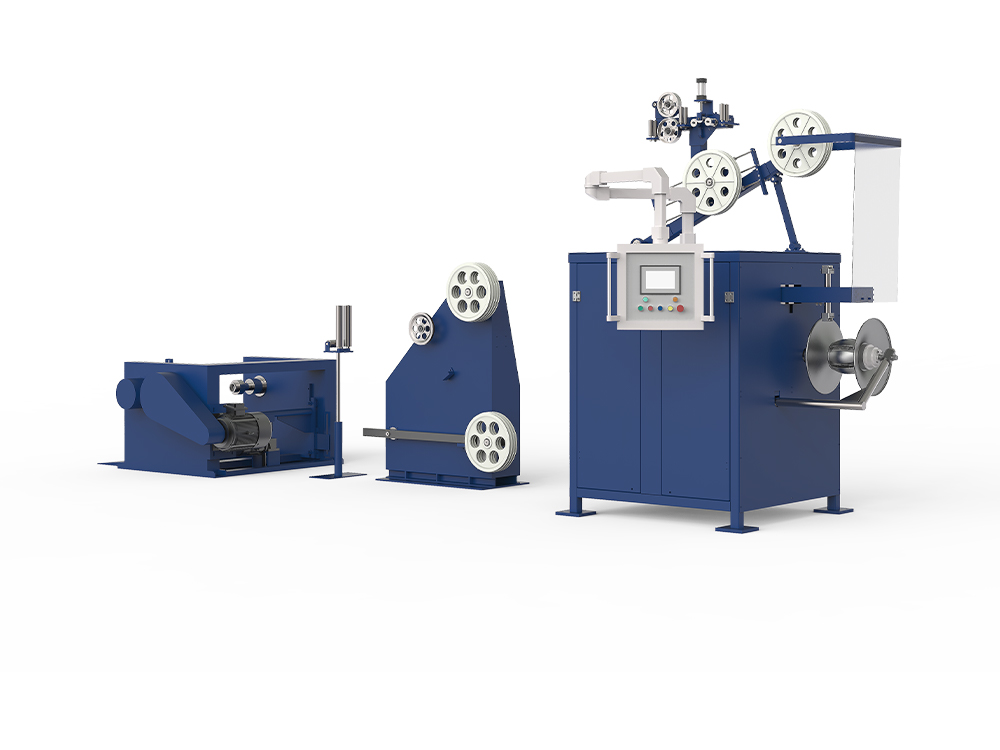
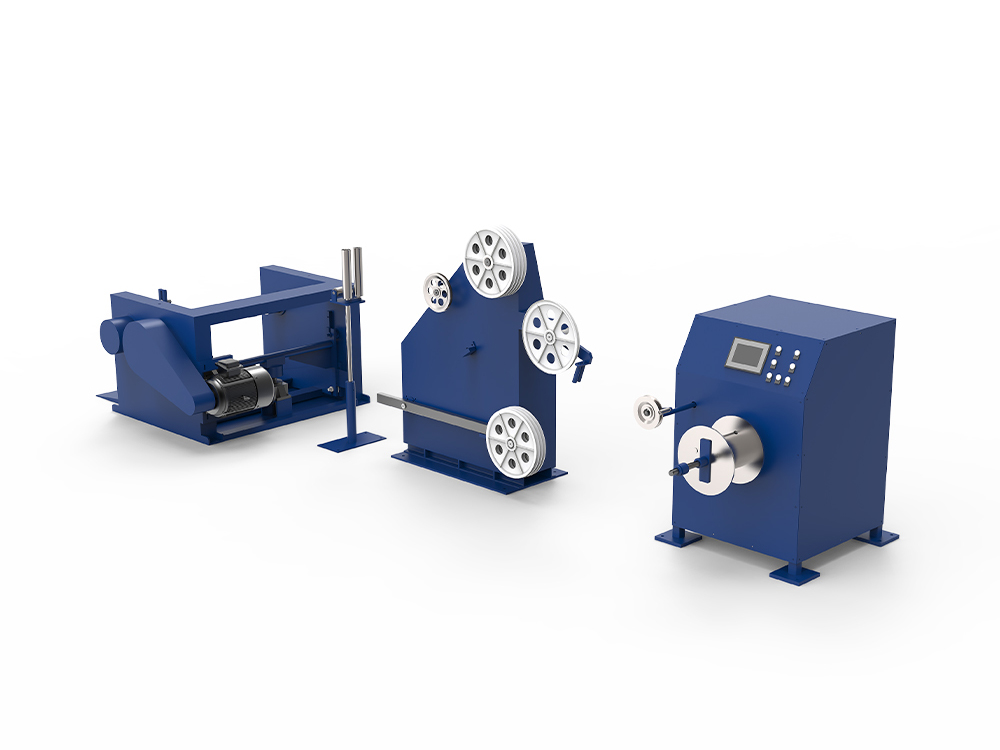
The Mesh Winding Machine is a key piece of equipment for ensuring efficient and high-quality cable coiling. Its performance directly affects the packaging quality, storage, and transportation convenie...
See DetailsWhat are the main process flows of Cable Drawing Insulation Tandem Line?
Overall Process Overview
1. Wire Drawing
High-precision multi-segment drawing rollers are used to uniformly reduce the original copper wire diameter to the required specification, ensuring wire diameter consistency.
Real-time tension monitoring is used during the drawing process to prevent wire breakage and improve the yield rate of finished products.
2. Annealing
After drawing, the wire enters an annealing furnace for softening treatment using a controllable temperature (±1°C), restoring the metal's ductility.
The annealing temperature is precisely controlled by a Siemens PLC to ensure uniform metal structure and improve the quality of subsequent extrusion.
3. Preheating
The annealed wire is preheated before entering the extrusion section to make the insulation material flow more easily and reduce extrusion resistance.
The preheating zone uses a frequency-controlled AC motor and a Eurotherm DC controller to achieve rapid temperature response.
4. Extrusion
Using a high-precision extrusion die, insulating material is evenly coated onto the metal wire core to form an insulation layer.
The outer diameter (maximum 3.0mm) and foam content (maximum 65%) are monitored simultaneously during the extrusion process to ensure that the product dimensions and performance meet standards.
5. Take-up
The finished wire is automatically taken up on the continuous production line. The coil diameter and tension are adjusted in real time to prevent the wire from being too loose or too tight.
A 15-inch full-color touchscreen HMI provides a one-button operation interface, allowing operators to quickly switch production parameters.
What are the advantages of a tandem cable drawing and insulation line compared to a traditional single-machine drawing-insulation line?
| Key Indicator | Tandem Line (Cable Drawing Insulation Tandem Line) | Traditional Single‑Machine Line | Main Advantages |
| Production Capacity | 800‑1200 m/min, continuous operation | Typically 300‑600 m/min, frequent stops | Capacity increased 2‑3 times |
| Process Integration | Wire drawing → annealing → pre‑heating → extrusion → take‑up in one line, no manual transfer | Separate machines, require manual or conveyor transfer | Reduces manual intervention, lowers human error |
| Quality Consistency | Temperature, tension, extrusion thickness centrally controlled by Siemens PLC and Schneider low‑voltage components, ±1 °C accuracy | Distributed control points, cumulative errors | More uniform outer diameter and insulation thickness, higher yield |
| Energy Consumption & Cost | Variable‑frequency AC motors and Eurotherm DC controllers provide precise power regulation, high energy efficiency | Fixed‑speed motors waste more power | Lower energy consumption per unit output, reduced operating cost |
| Maintenance Convenience | 15‑inch full‑color touch HMI, intuitive fault diagnosis and parameter adjustment, 24 h after‑sales service | Parameter setting on site is cumbersome, fault location difficult | Shorter downtime, better production continuity |
What are the common causes of malfunctions or downtime in cable drawing and insulation lines?
1. Extrusion die or abnormal plastic supply
When the extrusion section lacks plastic, the entire line will stop due to material shortage.
2. Wire breakage or surface defects: Common problems with linear wire drawing machines, such as wire breakage, surface scratches, and uneven dimensions, can cause bottlenecks in subsequent processes.
3. Temperature control deviation: Temperatures exceeding ±1°C in the annealing or preheating zone can cause abnormal metal stress or poor insulation viscosity, leading to quality fluctuations.
4. PLC/electrical faults: Communication interruptions or relay failures in Siemens PLCs or Schneider low-voltage components can cause the entire production line to stop abruptly.
5. Variable frequency drive malfunctions: Incorrect parameters in AC variable frequency motors or Eurotherm DC controllers can cause unstable speeds, thus affecting the balance of wire speed and tension.
Frequently Asked Questions (FAQ)
Q1:What are the main functions of the Cable Drawing Insulation Tandem Line?
A:This production line integrates drawing, annealing, preheating, and insulation processes, achieving continuous cable stretching and insulation coating. It can complete multiple processes in one operation, improving production capacity and product consistency.
Q2:What is the market share of this line?
A:The company's drawing-annealing-insulation tandem line has a market share exceeding 80% in China and has been exported to several countries.
Q3:What are the technical challenges of the product and what support does the company provide?
A:This line is difficult to commission, but the company has a professional technical team that can provide on-site installation, commissioning, training, and follow-up technical services to help customers successfully start production.
Q4:What is the production capacity range of the LAN cable production line?
A:LAN cable production lines can be configured according to customer needs. Common production capacities range from 5km/day to 30km/day, depending on the equipment specifications.


Copyright © Zhangjiagang Dachen Machinery Manufacturing Co., Ltd. All rights reserved. Custom Cable Drawing Insulation Tandem Line Manufacturers
